2025 Crypto Regulations and Airdrops: What Actually Happened
When it comes to crypto regulations, government rules that control how cryptocurrencies are bought, sold, mined, or taxed. Also known as cryptocurrency laws, these rules vary wildly—from total bans to strict reporting systems—and they directly impact whether you can hold, trade, or even talk about digital assets in your country. In 2025, countries like China, Russia, and Sweden doubled down on restrictions, while places like Taiwan and Mexico clarified their tax codes. Meanwhile, in Nepal and Bangladesh, underground trading kept going despite official bans. These aren’t theoretical policies—they changed how real people access money, store value, and protect their assets.
One of the biggest stories in 2025 wasn’t a new coin—it was the collapse of fake airdrops, free token distributions that promise rewards but often turn out to be scams or misunderstandings. Also known as token giveaways, they were used by projects like NAMA Protocol, Mones, and Divergence to lure users, but none of them actually gave out tokens as claimed. Even real airdrops, like Seascape Crowns or YOOSHI SHIB ARMY, faded into obscurity with no exchange listings or active communities. Meanwhile, blockchain, a digital ledger that records transactions across many computers in a way that prevents tampering. Also known as distributed ledger technology, it continued to enable real use cases like renewable energy credits and NFT metadata storage—but only when built on solid infrastructure like IPFS or ERC-1155. The gap between hype and reality grew wider than ever.
Stablecoins became the quiet lifeline for traders in sanctioned countries and regions with banking restrictions. USDC, DAI, and FRAX weren’t flashy, but they kept people connected to global markets when local banks cut them off. And while projects like Chimpzee and BiCity AI promised eco-friendly returns or AI-powered tools, they collapsed under the weight of empty promises and anonymous teams. The lesson? If it sounds too good to be true, it probably is—and if there’s no audit, no liquidity, and no exchange support, it’s not a coin, it’s a gamble.
What you’ll find below isn’t a list of hot tips or future predictions. It’s a record of what actually happened in 2025: the bans that stuck, the airdrops that vanished, the storage standards that worked, and the scams that cost people money. These aren’t abstract ideas—they’re real events that shaped how crypto works today. Read them to avoid repeating the same mistakes.
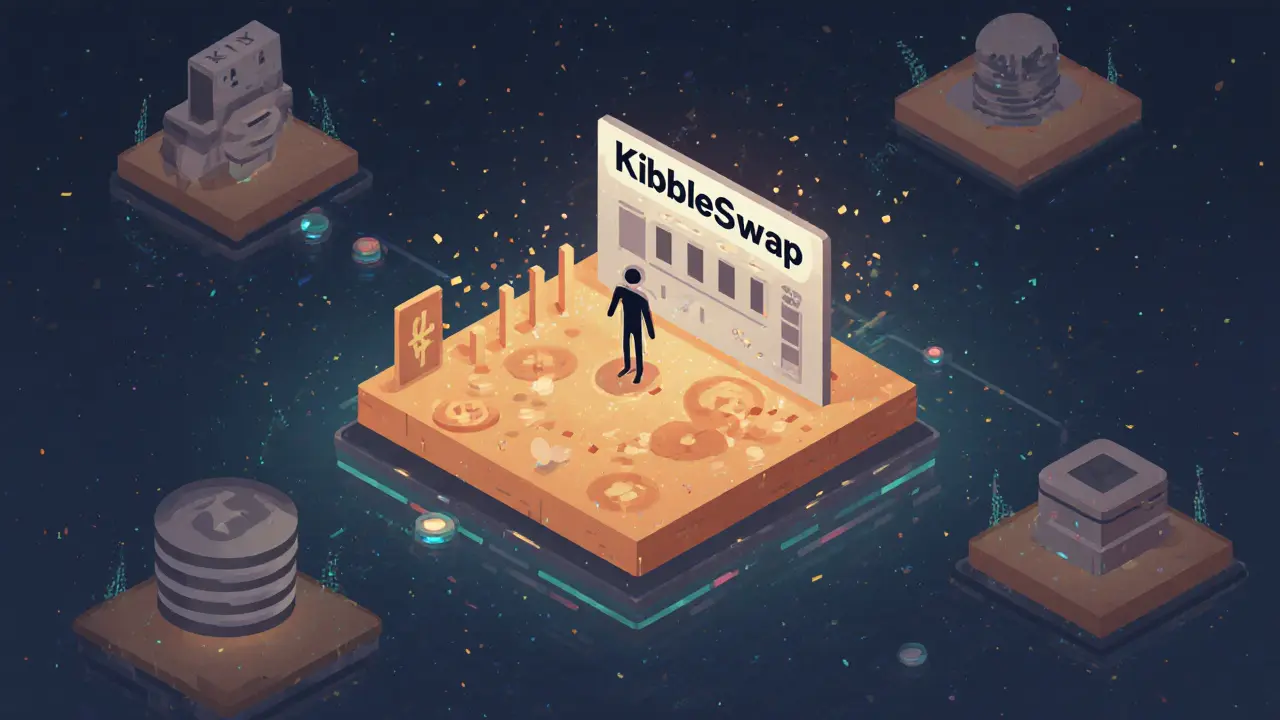
KibbleSwap Crypto Exchange Review: DogeChain's Niche DEX Explained
KibbleSwap is DogeChain's only native DEX, offering token swaps and $KIB rewards. But with no audits, low liquidity, and zero user base, it's a high-risk tool for niche users only.
learn more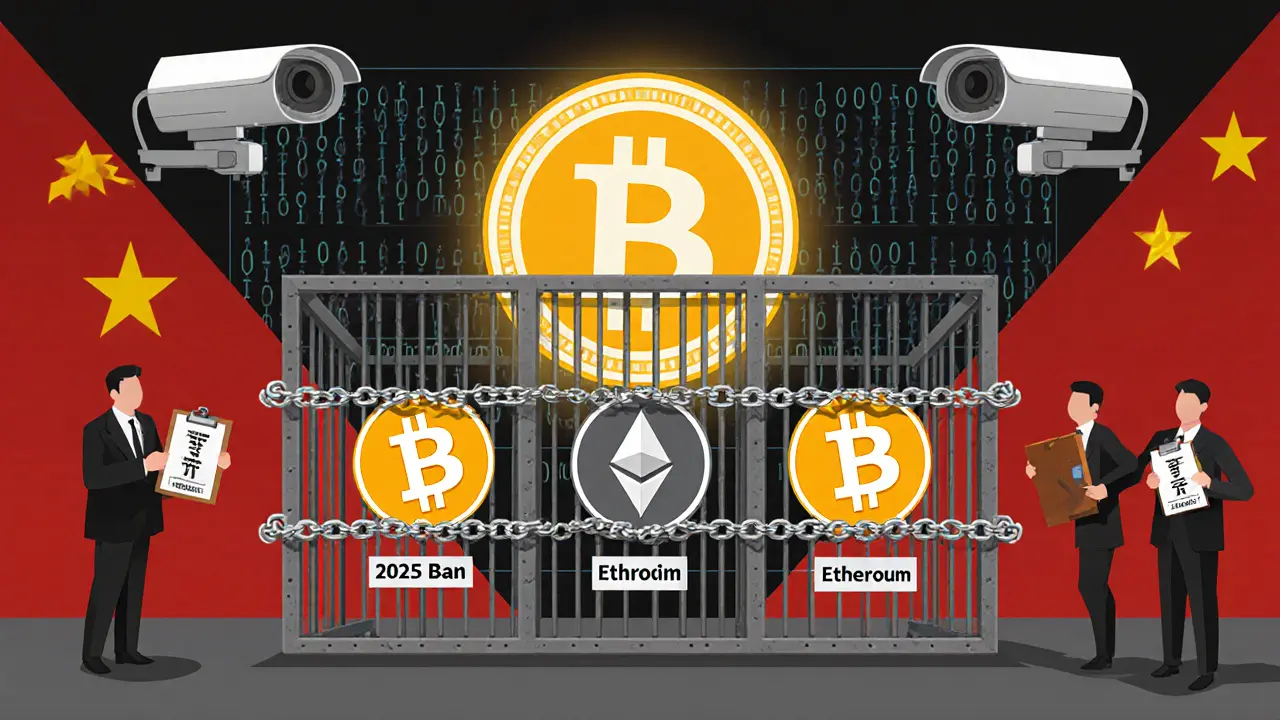
Is Crypto Regulated in China? The Full Ban Explained (2025)
As of 2025, China has banned all cryptocurrency activities-including owning, trading, and mining. The law is strict, enforcement is aggressive, and violations carry prison sentences. Here’s what you need to know.
learn more
Seascape Crowns (CWS) Airdrop: How It Worked, What Happened, and Where It Stands in 2025
Seascape Crowns (CWS) had a small airdrop in 2021 for early community members, but no public claims were ever open. Today, CWS trades at $0.1364 with low liquidity and no major exchange listings. The token still works in Seascape games, but its future is uncertain.
learn more
Russia's Crypto Banking Ban: How Traders Are Bypassing Bitcoin Withdrawal Limits in 2025
Russia's 2025 cash withdrawal limits have disrupted Bitcoin trading, forcing traders to turn to foreign exchanges, stablecoins, and bank transfers. Learn how Russians are bypassing restrictions and what alternatives are working now.
learn more
YOOSHI SHIB ARMY NFT Airdrop Details: How It Worked and What Happened After
The YOOSHI SHIB ARMY NFT airdrop in May 2021 gave free NFTs to Shiba Inu community members via Binance Smart Chain. Learn how it worked, why it faded, and what happened after.
learn more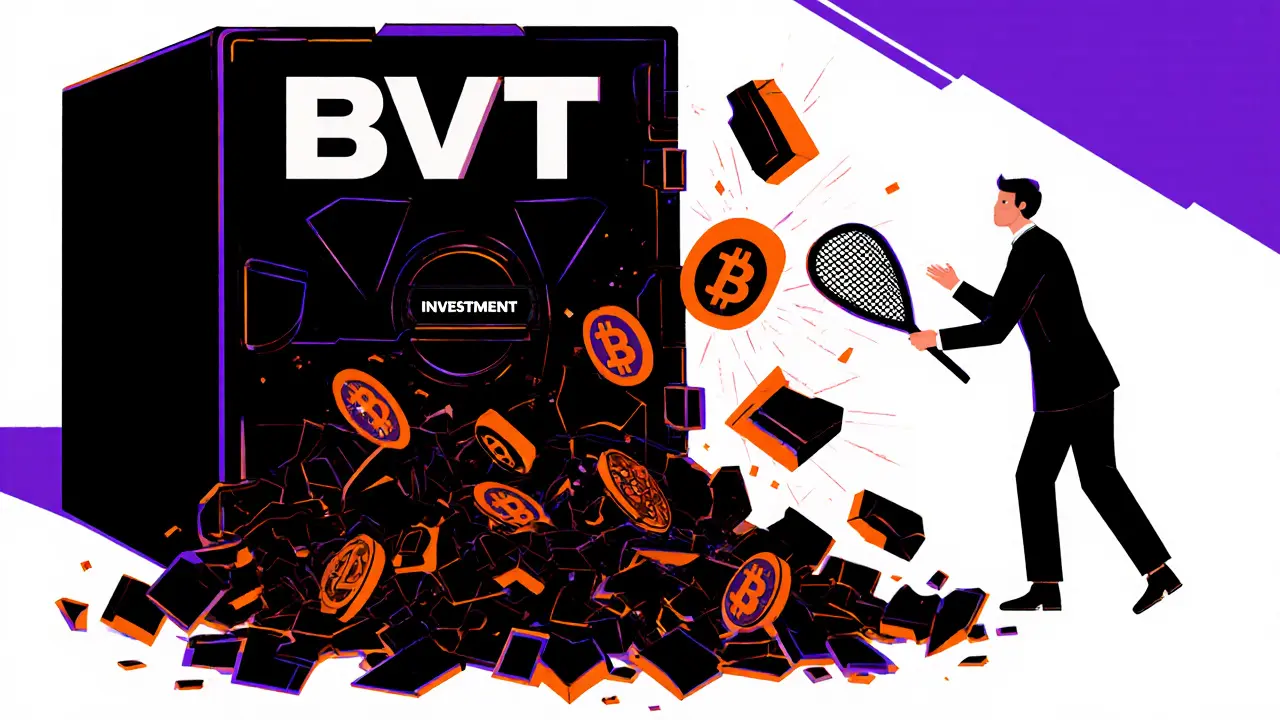
What is BlockVault Token (BVT)? The Truth About This High-Risk Crypto Coin
BlockVault Token (BVT) is a high-risk crypto with wild price swings, inconsistent supply data, and no major exchange support. Learn why it's not a viable investment and what to watch out for.
learn more
What Is a Block in Blockchain Technology? Simple Breakdown of How It Works
A block in blockchain is a secure, timestamped container of transactions that links to the previous block, creating an unchangeable chain. It’s the foundation of trust in decentralized systems like Bitcoin and Ethereum.
learn more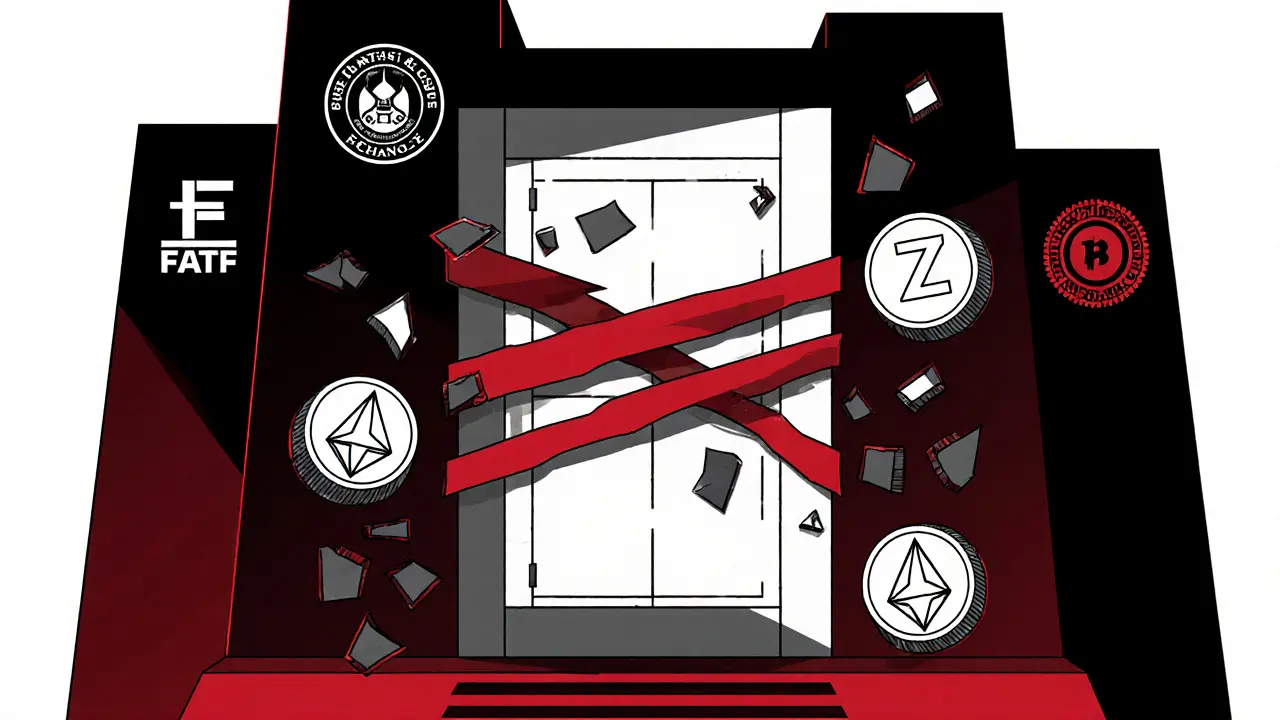
Privacy Coins Regulations: Monero and Zcash Restrictions in 2025
Monero and Zcash face growing restrictions in 2025 as global regulators crack down on anonymous crypto. Exchanges delist them, P2P trading rises, and privacy vs. compliance becomes the defining battle for the future of cryptocurrency.
learn more
Renewable Energy Credits on Blockchain: How Digital Ledgers Are Transforming Clean Energy Tracking
Blockchain is transforming how renewable energy credits are tracked, traded, and verified-cutting fraud, reducing costs, and enabling peer-to-peer clean energy sales. Here’s how it works and why it matters.
learn more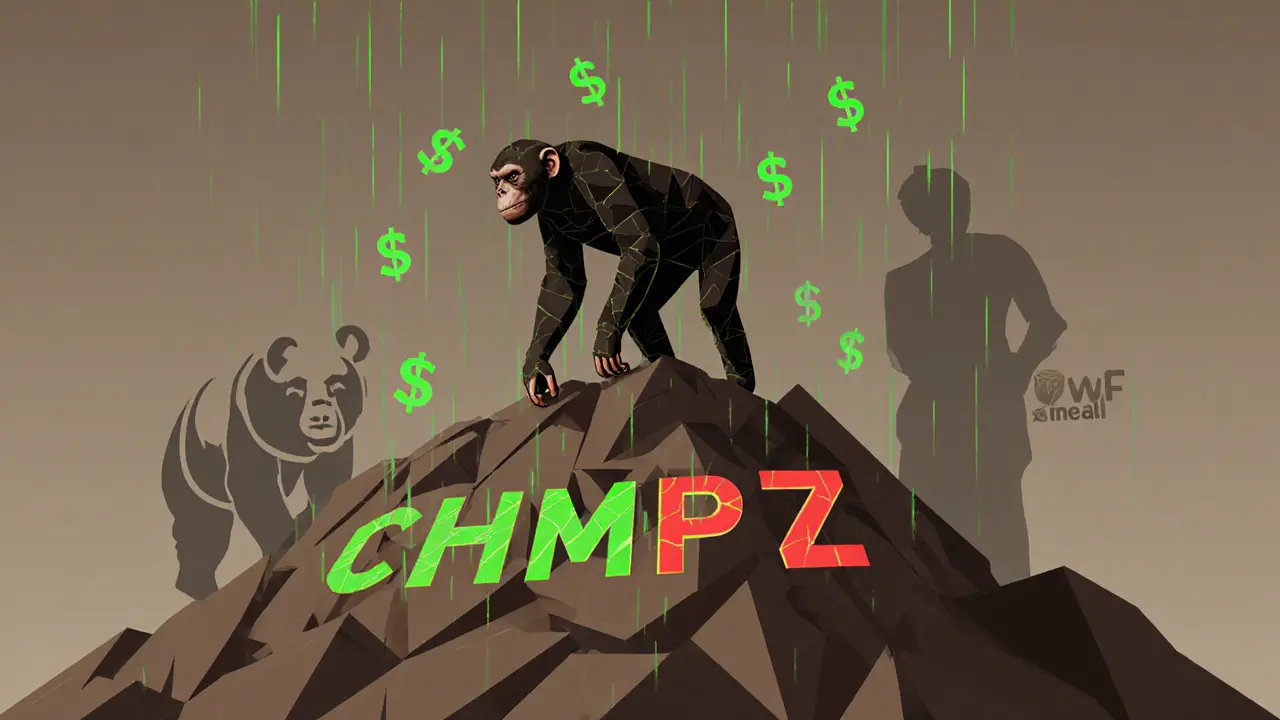
What is Chimpzee (CHMPZ) Crypto Coin? Facts, Risks, and Real-World Impact
Chimpzee (CHMPZ) is a crypto token promising passive income and animal conservation - but it lacks proof of donations, has extreme volatility, and trades only on small exchanges. Here's what you really need to know before buying.
learn more
NAMA Protocol Airdrop by Nama Finance: What Actually Happened and Why You Might Be Confused
NAMA Protocol by Nama Finance never ran an airdrop - the 65M token drop you heard about was from Namada (NAM), a totally different project. Learn the truth, avoid scams, and understand what each blockchain actually does.
learn more
Coinlim Crypto Exchange Review: Fees, Features, and Whether It's Right for You
Coinlim is a crypto exchange with ultra-low 0.10% trading fees and advanced tools like bots and arbitrage signals - but it doesn't accept fiat deposits. Perfect for experienced traders who already own crypto and want to cut costs.
learn more