OpenSea Fees: What You Really Pay to Buy, Sell, and List NFTs
When you use OpenSea, the largest NFT marketplace where people buy, sell, and trade digital collectibles like art, domain names, and in-game items. Also known as OpenSea.io, it's the go-to platform for most NFT traders—but its fees aren't always clear until you're about to click "Sell". Many think OpenSea is free because there's no monthly subscription. But that’s not true. You pay every time you interact with the platform, and those costs add up fast.
There are two main types of fees on OpenSea: gas fees, the cost to process transactions on the Ethereum blockchain, paid in ETH and OpenSea service fees, the platform’s cut of each sale, usually 2.5%. Gas fees change based on network traffic. During busy times, they can hit $50 or more just to list one NFT. Service fees are fixed but still matter—sell a $1,000 NFT, and you give $25 to OpenSea before you even see your money.
What trips people up is the difference between listing and selling. Listing an NFT for the first time on OpenSea costs gas because you’re approving the smart contract. That’s a one-time fee per collection. But every time you sell, you pay gas again—plus the 2.5% cut. Some sellers don’t realize this until they try to cash out and see their balance is way lower than expected. And if you’re trading on Polygon or Solana? Fees drop dramatically, but OpenSea still takes its 2.5% no matter what chain you use.
There are ways to cut costs. Use Polygon instead of Ethereum for minting and trading—it’s cheaper and faster. Wait for low network congestion to list items. And never click "Buy Now" on a random NFT without checking the total price, including gas. A $200 NFT might cost you $240 after fees. That’s why so many people end up losing money on OpenSea not because the asset failed, but because they didn’t understand the cost structure.
OpenSea doesn’t hide these fees—they’re buried in the fine print. But if you’re serious about trading NFTs, you need to treat fees like part of your investment math. You wouldn’t buy stock without knowing the broker fee. Same here. The posts below break down real cases: how one trader saved $300 by switching chains, why a $5 NFT ended up costing $12 to sell, and how to spot fake "free mint" scams that still charge you gas. You’ll also see how OpenSea compares to rivals like Blur and LooksRare, where fees are sometimes lower—or hidden in other ways. This isn’t about avoiding fees. It’s about knowing them so you don’t get surprised.
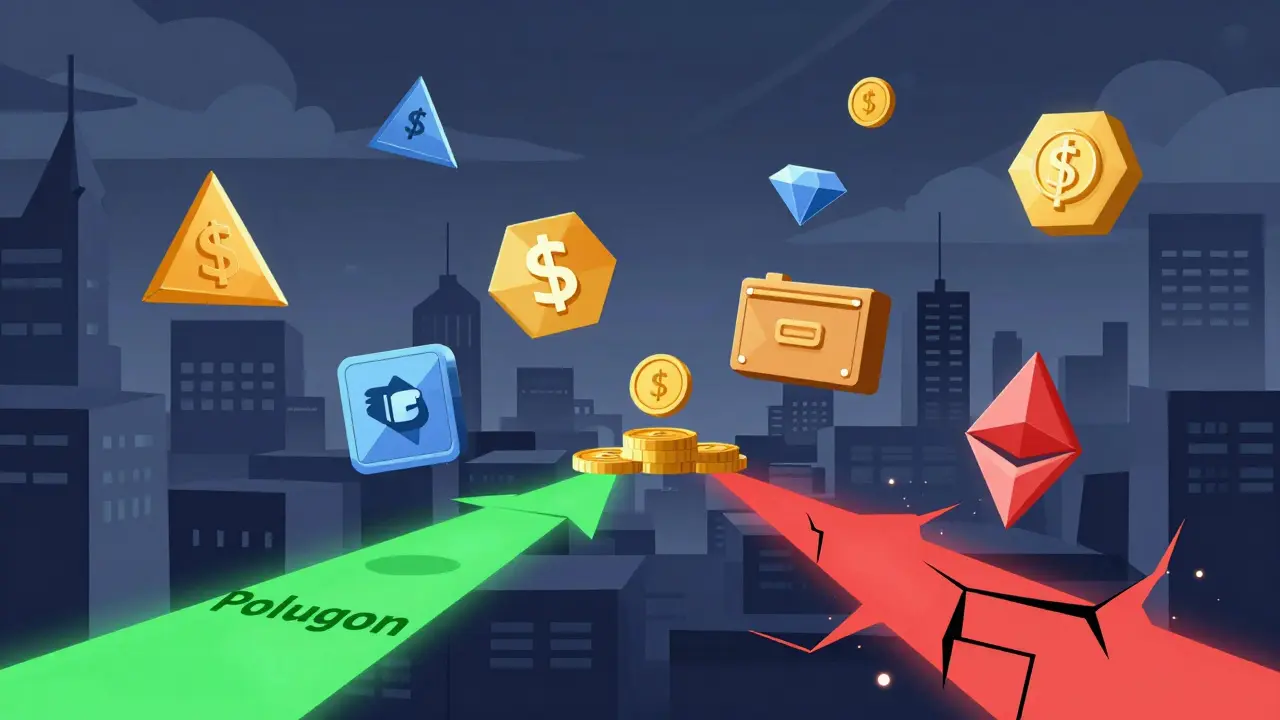
NFT Marketplace Fees and Costs: What You Really Pay in 2025
Understand the real costs of NFT marketplaces in 2025-from platform fees and gas charges to development expenses. Learn how OpenSea, Polygon, and others compare, and what fees actually hurt creators and buyers.
learn more