Cryptocurrency Legality in Bolivia
When it comes to cryptocurrency legality in Bolivia, the official stance is unclear, but enforcement actions show the government treats crypto as a financial risk under existing banking laws. Also known as crypto regulation in Bolivia, this isn’t about a formal ban—it’s about silence, pressure, and control. Unlike China or Bangladesh, Bolivia hasn’t passed a law saying "crypto is illegal." But the central bank, Banco Central de Bolivia, the country’s monetary authority that has repeatedly warned citizens against using digital assets. Also known as BCB, it has declared that only the Bolivian boliviano is legal tender, and any other currency—including Bitcoin or Ethereum—isn’t recognized for payments or banking. That’s not the same as a ban, but in practice, it’s close enough.
Here’s what that means: banks won’t process crypto transactions. ATMs won’t let you withdraw Bitcoin. Exchanges can’t open local accounts. If you try to deposit crypto earnings into a Bolivian bank, they’ll freeze the funds and ask questions. In 2021, the BCB fined a local exchange for facilitating crypto trades, and in 2023, they blocked access to several foreign platforms from within Bolivia’s internet network. People still trade—mostly through P2P crypto networks, peer-to-peer platforms where users swap crypto for cash without banks. Also known as localbitcoins-style trading, these networks thrive because they don’t need formal financial infrastructure. WhatsApp groups, Telegram channels, and cash meetups are how most Bolivians buy and sell crypto. It’s risky, but it works. And while the government hasn’t jailed anyone for holding Bitcoin, they’ve made it clear: if you’re caught moving large amounts, you could face money laundering charges under Article 274 of the Penal Code.
So what’s the real story? Crypto isn’t illegal on paper, but it’s effectively banned in practice. You can’t use it to pay bills, rent, or buy groceries. You can’t cash out through banks. You can’t get a loan backed by crypto. The only legal way to interact with crypto is through unofficial channels—and even then, you’re on your own if something goes wrong. No consumer protection. No dispute resolution. No recourse. That’s why most Bolivians who trade crypto stick to small amounts, use cash, and avoid leaving a digital trail.
What you’ll find below are real cases, insider reports, and breakdowns of how people in Bolivia navigate this gray zone. From P2P traders who’ve been questioned by police, to crypto users who switched to stablecoins to avoid scrutiny, these stories show how the law is applied—not written. You’ll also see how neighboring countries like Argentina and Brazil are shaping what’s possible, and why Bolivia’s stance might change as inflation climbs and remittances dry up. This isn’t about theory. It’s about survival, strategy, and what happens when a government tries to control money that doesn’t need its permission to exist.
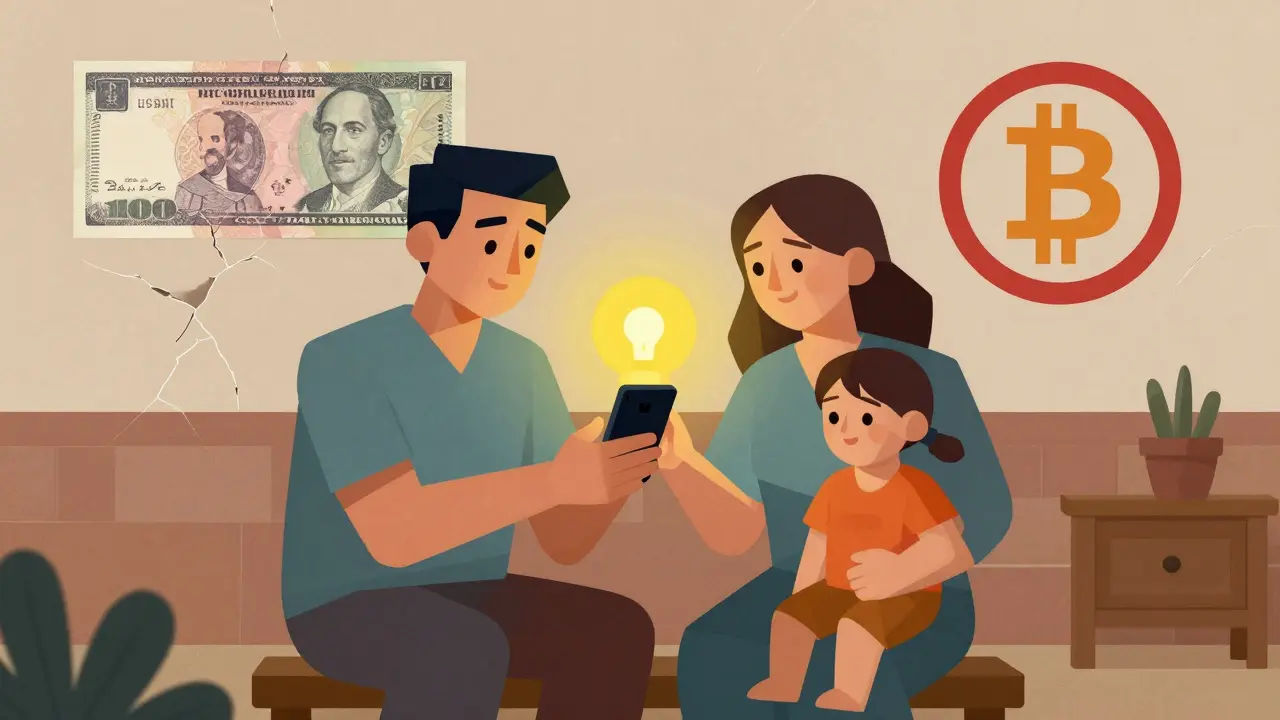
Complete Cryptocurrency Prohibition in Bolivia: How the Ban Was Lifted and What Happened Next
Bolivia lifted its decade-long cryptocurrency ban in 2024, shifting from prohibition to regulated adoption. Today, crypto is legal, widely used, and integrated into daily finance - especially through stablecoins for remittances and savings.
learn more