
Bolivia Crypto Remittance Cost Calculator
Compare Transfer Costs
Bolivia's cryptocurrency ban lifted in June 2024. Now you can use crypto for international transfers with lower fees than traditional banking. Calculate your potential savings.
Traditional Banking
Current average banking fees in Bolivia
8% fee + $5 flat fee
Cryptocurrency
Now legal in Bolivia since June 2024
1% fee
Your Savings
Based on current exchange rates and fee structures. Actual fees may vary between providers.
The Central Bank lifted Bolivia's cryptocurrency ban in June 2024 after realizing the prohibition couldn't stop crypto use. Now licensed platforms like Meru and CryptoBolivia offer regulated services.
For nearly a decade, Bolivia was one of the strictest countries in the world when it came to cryptocurrency. In 2014, the Central Bank of Bolivia (BCB) issued a sweeping ban that made it illegal to use, trade, or even promote any kind of digital currency. The rule was simple: no Bitcoin, no Ethereum, no stablecoins - not even for remittances or savings. The government claimed it was protecting citizens from fraud, money laundering, and financial instability. But behind the scenes, people were already using crypto in secret. Underground exchanges, peer-to-peer transfers, and encrypted wallets became common. Families relied on crypto to send money abroad when the Bolivian boliviano lost value. The ban didn’t stop adoption - it just drove it underground.
The ban that didn’t work
The 2014 prohibition was clear: Resolution N° 144/2020 reinforced it, warning that anyone caught dealing in cryptocurrencies could face fines or criminal charges. But enforcement was patchy. Many Bolivians didn’t even know the law existed - or if they did, they didn’t care. With inflation eating away at savings and banks charging high fees for international transfers, crypto became the only real alternative. People in Santa Cruz and Cochabamba started trading Bitcoin via Telegram groups. Young entrepreneurs used USDT (Tether) to pay suppliers in the U.S. without going through slow, expensive bank wires. The government saw this as a threat. But what they didn’t realize was that they were fighting a tide people had already started swimming in.By 2023, the cracks in the ban were impossible to ignore. Remittance flows from abroad - a lifeline for over 30% of Bolivian households - were increasingly moving through crypto channels. The Central Bank admitted in internal reports that billions of dollars in cross-border payments were bypassing the formal banking system entirely. And yet, they had no way to track, tax, or regulate it. The ban wasn’t protecting the economy - it was making it harder to manage.
The turning point: June 26, 2024
On June 26, 2024, everything changed. The Central Bank of Bolivia quietly issued Resolution No. 82/2024. It didn’t announce a press conference. No politicians gave speeches. But the document was clear: the 10-year cryptocurrency ban was officially lifted. Virtual assets were no longer illegal. The move wasn’t a surprise to everyone. Experts had been watching. The government had been quietly meeting with fintech firms, foreign regulators, and blockchain analysts for months. The real question wasn’t whether they’d lift the ban - it was how fast they’d move to regulate it.Within weeks, the response was immediate. Crypto wallet app Meru, run by local developer Carlos Neira, saw its Bolivian user base jump by 6,600% in just four months. That’s not growth - that’s a flood. People who had been using crypto in secret now had legal access to exchanges, wallets, and payment tools. Stablecoins, especially USDT, became the go-to choice. Why? Because they kept their value. When the boliviano dropped 12% against the dollar in early 2025, people rushed to crypto to protect their savings. The Central Bank didn’t stop them - they started using stablecoins themselves for international payments.
The new rules: What’s allowed now?
Lifting the ban was just the first step. Bolivia didn’t go from zero to free-for-all. In April 2025, Resolution No. 019/2025 laid out the first legal definitions for virtual assets and service providers. Then, in May 2025, Supreme Decree No. 5384 created the full regulatory framework. Now, anyone offering crypto services - exchanges, wallets, ATMs - must get a license from the Central Bank. They have to follow anti-money laundering rules, verify customer identities, and report suspicious activity. It’s not perfect, but it’s a start.What’s interesting is what they didn’t do. Bolivia didn’t make Bitcoin legal tender like El Salvador. They didn’t create a national digital currency. Instead, they took a practical approach: let people use what works, but make sure providers play by the rules. The focus was on transparency, not control. Users can now legally buy Bitcoin, trade Ethereum, or hold USDT. They can send crypto across borders. They can even use it to pay for goods if a business agrees to accept it. The government isn’t forcing adoption - it’s just removing the barriers.

Why Bolivia’s approach is different
Most countries either ban crypto outright or go all-in on one coin. Bolivia did neither. It didn’t copy El Salvador’s Bitcoin-first model. It didn’t follow Argentina’s chaotic, unregulated crypto scene. Instead, it learned from both. In March 2025, Bolivia signed a Memorandum of Understanding with El Salvador’s National Commission for Digital Assets. That’s rare. Two countries sharing regulatory tools, training staff, and exchanging data on crypto fraud detection. Bolivia got access to blockchain analytics tools. El Salvador got insights into how a country with high inflation and weak banking infrastructure can safely integrate crypto.The result? A more balanced system. Bolivians use Bitcoin mostly for international transfers. Stablecoins for everyday savings and payments. Local platforms like Meru and CryptoBolivia offer low-fee, mobile-friendly apps that work even on basic phones. The Central Bank even started testing its own digital settlement system using USD-pegged tokens - not as a currency, but as a tool to make cross-border payments faster and cheaper for small businesses.
What’s happening on the ground?
The numbers tell the story. In the first half of 2025, Bolivians conducted $294 million in cryptocurrency transactions. That’s more than double the entire volume from the previous five years combined. Over 1.2 million people - nearly 10% of the population - now use crypto regularly. Most are under 35. Many are women running small businesses. One vendor in La Paz told a reporter she now receives payments in USDT from customers in Spain and the U.S. She converts it to bolivianos only when she needs to pay local suppliers. No more waiting weeks for bank transfers. No more paying 8% in fees.Public awareness campaigns popped up overnight. The Central Bank partnered with universities to teach crypto basics in schools. Libraries hosted free workshops on how to set up a wallet. Social media influencers started explaining how to avoid scams. It wasn’t perfect - some people still lost money to fake exchanges - but the government moved faster than most expected. The learning curve was steep, but people were motivated.
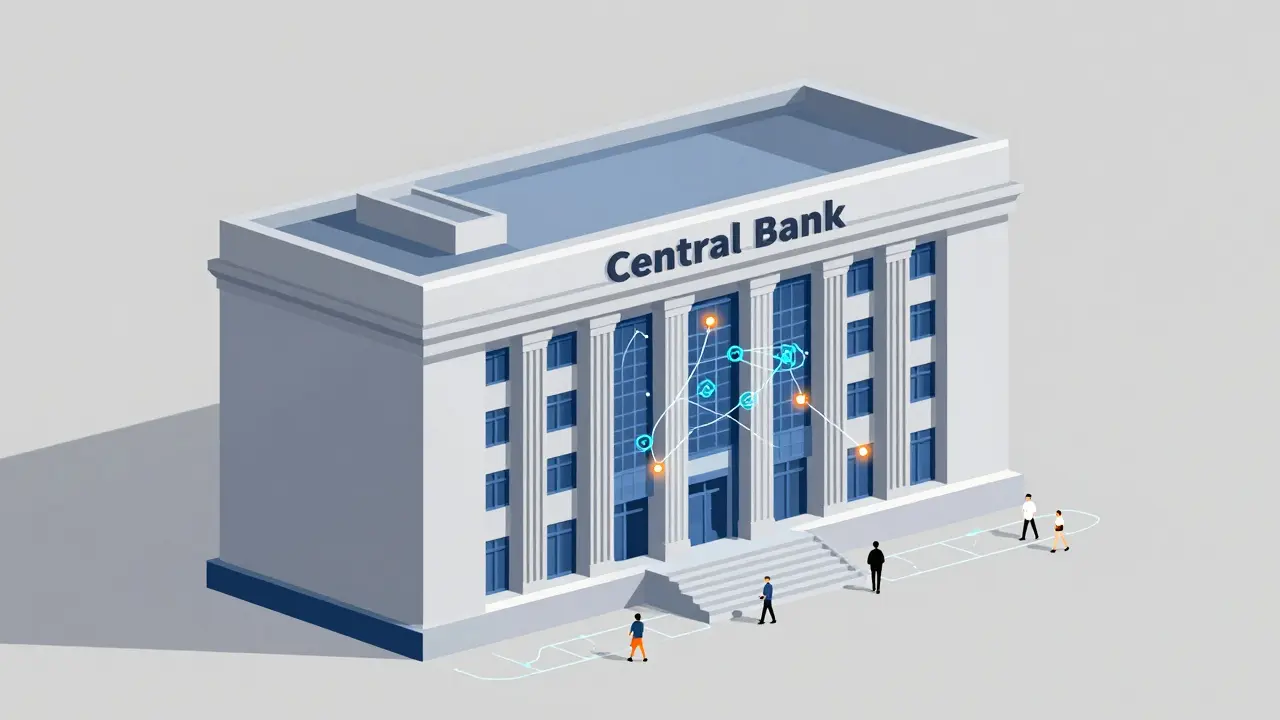
What’s next for Bolivia?
The next phase is about stability. The Central Bank is now drafting rules to protect consumers. They’re working on a licensing system for crypto ATMs. They’re exploring ways to integrate crypto into the national payment system without destabilizing the boliviano. And they’re watching other countries closely. Colombia and Peru are starting to loosen their rules too. Bolivia isn’t trying to lead - it’s trying to catch up without repeating mistakes.The transformation from complete prohibition to regulated adoption happened faster than anyone predicted. It wasn’t driven by ideology. It was driven by necessity. When people have no access to reliable banking, they find a way. Bolivia didn’t fight that reality - it adapted to it. And now, instead of being one of the most restrictive countries in Latin America, it’s becoming one of the most pragmatic.
Is Bolivia a model for other countries?
Yes - but not because it’s perfect. It’s a model because it shows that bans don’t work. When you outlaw something people need, you don’t eliminate it. You make it dangerous. Bolivia learned that the hard way. Now, it’s using regulation to bring crypto out of the shadows, not to control it, but to make it safer. Other countries with high inflation, weak banks, or large diasporas - like Venezuela, Nigeria, or even parts of Eastern Europe - could learn from this. The goal isn’t to ban crypto. It’s to make sure when people use it, they’re protected.Was cryptocurrency ever legal in Bolivia?
No. From May 2014 until June 2024, Bolivia had a complete legal ban on all cryptocurrency activities. Using, trading, or promoting Bitcoin, Ethereum, or any digital asset was illegal under Central Bank regulations. This ban was reinforced multiple times, most notably in 2020. The prohibition ended with Resolution No. 82/2024, which lifted the ban and began the process of legal regulation.
Can I now buy Bitcoin in Bolivia?
Yes. Since June 2024, it has been legal to buy, sell, and hold Bitcoin and other cryptocurrencies in Bolivia. You can use licensed local exchanges like Meru or CryptoBolivia, or international platforms that comply with Bolivian regulations. Many users prefer stablecoins like USDT because they’re less volatile and easier to use for everyday transactions and remittances.
Is crypto taxed in Bolivia?
As of mid-2025, Bolivia does not have specific tax laws for cryptocurrency gains. However, all licensed virtual asset service providers are required to report large or suspicious transactions to the Central Bank. While there’s no formal capital gains tax yet, the government is actively studying how to integrate crypto into the tax system, and changes could come in 2026.
Why did Bolivia lift the crypto ban?
Bolivia lifted the ban because the prohibition failed. Despite the law, millions of Bolivians were already using crypto for remittances, savings, and business payments - especially in a country with high inflation and unreliable banking. The Central Bank realized it couldn’t stop the trend, so it chose to regulate it instead. The goal was to protect users, prevent fraud, and bring financial activity into the open.
Are crypto ATMs available in Bolivia?
As of late 2025, crypto ATMs are not yet widely available, but they’re in development. The Central Bank is working with fintech firms to launch the first regulated crypto ATMs in major cities like La Paz, Santa Cruz, and Cochabamba. These machines will require ID verification and will only support stablecoins and Bitcoin to minimize risk.
Is Bolivia’s crypto scene safe for beginners?
It’s safer now than before, but risks remain. Since June 2024, the government has cracked down on unlicensed platforms and launched public education campaigns. Users are encouraged to use only licensed providers like Meru, which offer customer support and identity verification. Still, scams exist. Beginners should avoid unknown apps, never share private keys, and start with small amounts. The Central Bank advises using stablecoins for daily use and Bitcoin only for larger transfers.
Yzak victor
December 7, 2025 AT 16:48Holly Cute
December 7, 2025 AT 19:09rita linda
December 8, 2025 AT 12:10Martin Hansen
December 9, 2025 AT 17:53Lore Vanvliet
December 10, 2025 AT 13:00Frank Cronin
December 11, 2025 AT 19:24miriam gionfriddo
December 13, 2025 AT 12:36Nicole Parker
December 13, 2025 AT 20:08Brooke Schmalbach
December 14, 2025 AT 05:18Chris Jenny
December 15, 2025 AT 00:10Jonathan Sundqvist
December 16, 2025 AT 20:31Thomas Downey
December 18, 2025 AT 03:43Annette LeRoux
December 18, 2025 AT 22:42Manish Yadav
December 18, 2025 AT 23:16Vincent Cameron
December 20, 2025 AT 03:06Krista Hewes
December 21, 2025 AT 02:13Mairead Stiùbhart
December 21, 2025 AT 05:41ronald dayrit
December 22, 2025 AT 06:51