Crypto Wallet Security: Protect Your Assets from Hacks and Scams
When you hold cryptocurrency, crypto wallet security, the practice of safeguarding your digital assets from theft, loss, or unauthorized access. Also known as digital asset protection, it’s not optional—it’s the foundation of everything you do in crypto. No matter how smart your trades are or how big your gains, if your wallet isn’t secure, you’re just storing your money in an unlocked safe.
At the heart of crypto wallet security, the practice of safeguarding your digital assets from theft, loss, or unauthorized access. Also known as digital asset protection, it’s not optional—it’s the foundation of everything you do in crypto. is the BIP39 seed phrase, a 12- or 24-word backup code that can restore access to your entire wallet. Also known as recovery phrase, it’s the only thing that can bring back your coins if your device is lost or broken. If you write it down on paper and store it in a fireproof safe, you’re safe. If you screenshot it, store it in the cloud, or share it with a "support agent," you’re handing your money to a thief. The private key, the cryptographic code that proves you own your crypto and lets you spend it. Also known as crypto key, it’s what makes your wallet yours—and no one else’s. Never share it. Never type it into a website. Never trust anyone who asks for it.
Most crypto losses aren’t from hackers breaking into systems—they’re from people clicking the wrong link, falling for fake support scams, or losing their seed phrase. That’s why crypto scams, fraudulent schemes designed to trick users into giving up access to their wallets. Also known as crypto fraud, they rely on urgency, fear, or false promises. are so common. A fake airdrop, a "verify your wallet" pop-up, a Telegram group offering "free crypto"—these aren’t mistakes. They’re traps built by professionals. The same people who stole from YOOSHI SHIB ARMY NFT holders and HAI token users are still out there, targeting new users every day.
Good crypto wallet security isn’t about fancy tools. It’s about habits. Don’t use exchanges as wallets. Don’t reuse passwords. Don’t install wallet apps from random links. Always verify contract addresses before connecting your wallet. Use hardware wallets for large holdings. Check if a project has been audited. And if something sounds too good to be true—like a 1000% return on a new meme coin—it’s a scam.
What you’ll find below isn’t a list of tools or tutorials. It’s real stories—of people who lost everything because they skipped the basics, and others who kept their coins safe by following simple rules. You’ll see how BIP39 seed phrases were stolen in phishing attacks, how privacy coins like Monero became targets for regulators, how fake airdrops tricked thousands, and why even trusted platforms like Unnamed.Exchange can’t be trusted without proof. This is crypto wallet security as it actually plays out—not in theory, but in the messy, dangerous, real world where your money is on the line.
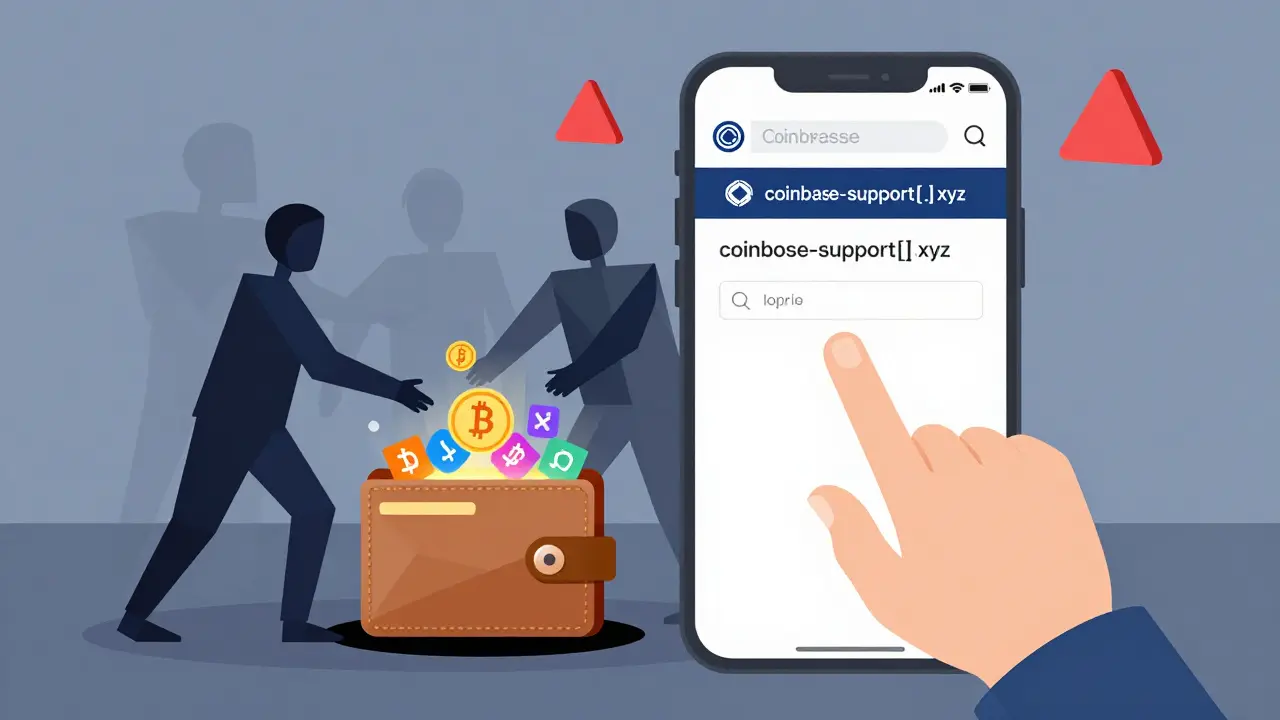
Cryptocurrency Phishing Scams Explained: How They Work and How to Stop Them
Cryptocurrency phishing scams trick users into giving up private keys or sending crypto to fake sites. Learn how they work, the most common types, and how to protect yourself from losing your digital assets forever.
learn more