Crypto Scams: How to Spot Fake Airdrops, Fake Exchanges, and Dead Tokens
When you hear "crypto airdrop" or "no-KYC exchange," you might think you’ve found a shortcut to free money. But too often, those are just traps disguised as opportunities. Crypto scams, deceptive schemes designed to steal your funds by exploiting trust, urgency, or ignorance. Also known as crypto fraud, they don’t need fancy tech—just a convincing name, a fake website, and a promise that’s too good to be true. Whether it’s a token with $2,780 in market cap and 163 holders, or a "no-KYC exchange" with a 2.5/5 Trustpilot rating, the red flags are always there—you just have to know where to look.
Many scams start with fake airdrops, false claims of free tokens sent to your wallet, often tied to real projects like Shiba Inu or Seascape, but never actually distributed by the real team. Look at the NAMA Protocol—there was no airdrop. The 65M token drop you heard about? That was Namada, a completely different project. Or HAI token—after a hack, scammers flooded the market with fake tokens and started pushing "airdrop" links. These aren’t mistakes. They’re targeted attacks. Then there are no-KYC exchanges, platforms that claim to offer anonymity but have zero transparency, no user reviews, and no track record. Unnamed.Exchange and KibbleSwap aren’t shady because they’re anonymous—they’re shady because they’re invisible. No audits, no liquidity, no community. Just a website and a promise. And then there are the meme coin scams, tokens built on hype, not utility, with no roadmap, no updates, and no reason to exist beyond a viral tweet. GigaChadGPT? MINU 2.0? Kryptomon? They all had the same ending: zero volume, zero interest, and zero value. These aren’t investments. They’re exit scams waiting to happen.
The real danger isn’t just losing money—it’s losing trust. You start doubting every new project, every airdrop, every low-fee exchange. And that’s exactly what the scammers want. But you don’t have to fall for it. The tools to protect yourself are simple: check the holder count, verify the exchange’s reviews, search for audits, and ask: "Does this have any real use, or is it just a name and a chart?" Below, you’ll find real case studies of scams that looked real—until they weren’t. From Bolivia’s crypto ban being twisted into a phishing lure, to Russia’s withdrawal limits being used to push fake P2P platforms, these aren’t theoretical risks. They’re happening right now. And the people who got burned? They didn’t ignore the signs. They just didn’t know what to look for.
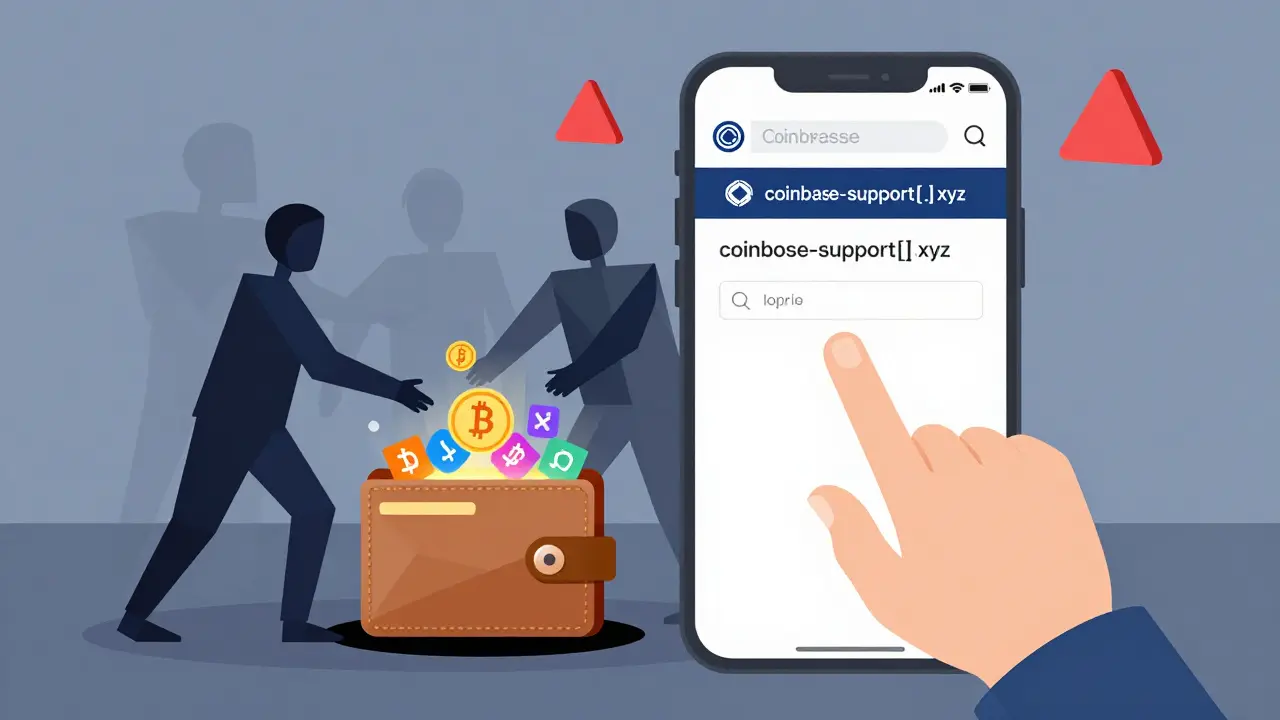
Cryptocurrency Phishing Scams Explained: How They Work and How to Stop Them
Cryptocurrency phishing scams trick users into giving up private keys or sending crypto to fake sites. Learn how they work, the most common types, and how to protect yourself from losing your digital assets forever.
learn more