Crypto Enforcement: How Governments Are Cracking Down on Digital Assets
When you hear crypto enforcement, the actions taken by governments to control, restrict, or ban cryptocurrency use and transactions. Also known as cryptocurrency regulation, it’s not just about taxes—it’s about control, surveillance, and stopping what they see as financial chaos. Countries aren’t just watching crypto anymore. They’re shutting it down, arresting traders, and forcing exchanges to comply—or disappear.
Crypto regulation, the legal framework governments use to define what’s allowed or illegal with digital assets. Also known as crypto compliance, it’s now built into bank rules, exchange policies, and even blockchain code. In China, owning Bitcoin is technically banned. In Bangladesh, trading crypto can land you in jail. In Europe, the MiCA rules force every token to prove it’s not a security or a money-laundering tool. This isn’t theoretical—it’s happening right now, and it’s changing how people access money.
Anti-money laundering crypto, efforts by governments to stop criminals from using digital currencies to hide illegal funds. Also known as AML crypto, it’s why exchanges now demand your ID, why privacy coins like Monero are being delisted, and why P2P trading is rising in places like Russia and Iran. If you’re using crypto to avoid banks, you’re not just bypassing financial systems—you’re stepping into a legal gray zone. And governments are getting better at tracking it.
What you’ll find below isn’t a list of opinions. It’s a collection of real cases: how 59 million people in China still trade Bitcoin despite the ban, why Bangladesh jails crypto users under old financial laws, how Russia’s cash limits forced traders to turn to stablecoins, and why a simple airdrop claim could be a scam. These aren’t hypotheticals. These are lives, laws, and losses.
Some think crypto is unstopable. Others say it’s already under siege. The truth? It’s both. And if you’re using, trading, or even just holding digital assets, you need to know where the lines are drawn—and who’s holding the pen.
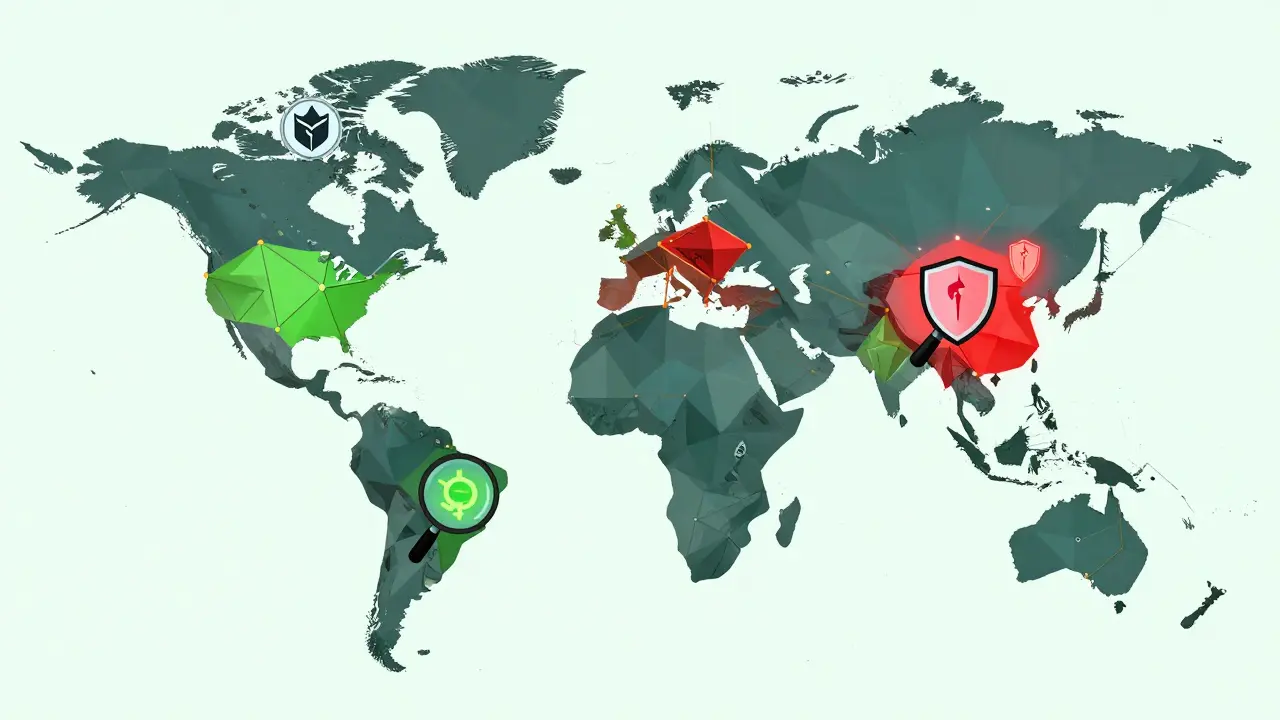
2024-2025 Crypto Enforcement Statistics Worldwide: What’s Really Happening
2024-2025 crypto enforcement stats show fraud dropping but sophisticated crime rising. TRON's crime fell after a landmark crackdown, while DeFi and stablecoins become new targets. Global rules are improving - but enforcement still lags.
learn more