
Most crypto airdrops feel like a lottery you didn't sign up for. You check your wallet, find a random token, and wonder if it's worth the gas fees to move it. The Zamio a decentralized finance project aiming to transfer 1% of the world's equity to DeFi campaign works differently. It’s not just about handing out free tokens; it’s about testing how well their ecosystem holds up under real user pressure. If you’re looking at the Zamio airdrop details right now, you need to know exactly where the value lies and what it actually costs you in time and attention.
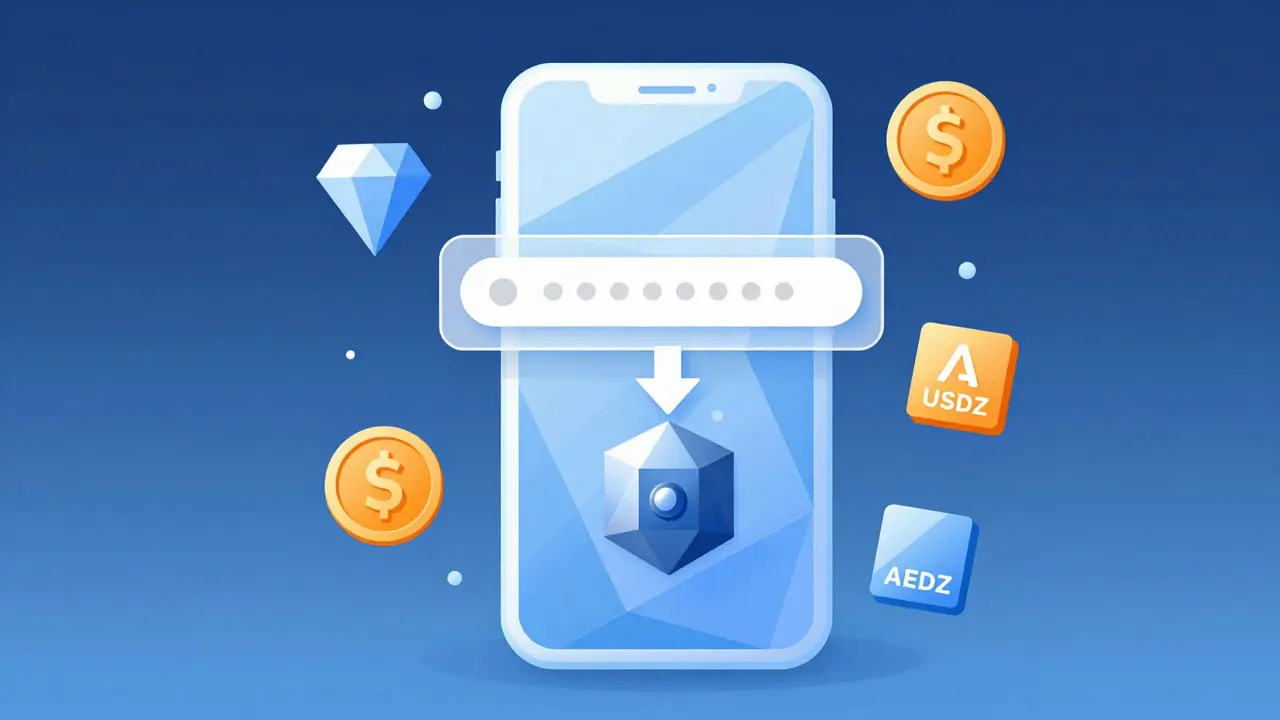
Zamio isn't a typical meme coin launch. They are building a system where you can invest in expert-created portfolios using a wallet that identifies users by phone number instead of long, error-prone addresses. Their native currency is the ZAM token the primary utility and governance token for the Zamio ecosystem. Alongside ZAM, they use two stablecoins: USDZ a stablecoin pegged 1:1 to the US Dollar and AEDZ a stablecoin pegged 1:1 to the Emirati Dirham. This multi-token setup means the airdrop isn't just speculative hype; it’s tied to a functional financial infrastructure.
Key Takeaways
- The main active campaign is the MEXC Kickstarter, offering 160,000 ZAM tokens with a reference price of $0.23 each.
- Participation requires holding MX tokens on the MEXC exchange to vote, with a cap of 500,000 MX per user.
- A secondary campaign via CoinMarketCap distributes 88 NFTs to 88 winners, focusing on digital collectibles rather than fungible tokens.
- Zamio’s core value proposition is equity tokenization and phone-number-based wallet transfers, distinguishing it from pure speculation projects.
How the MEXC Kickstarter Works
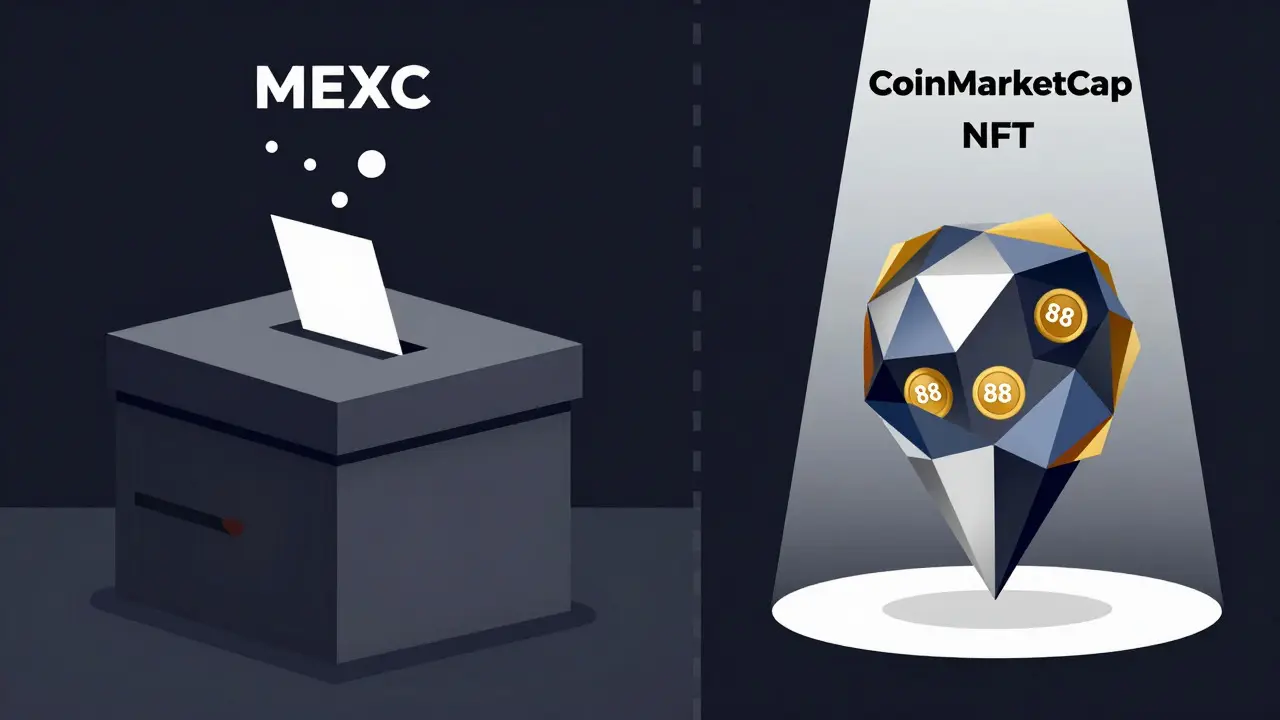
The biggest piece of the Zamio distribution puzzle is the partnership with MEXC a global cryptocurrency exchange known for its high-leverage trading and low fees. This isn't a "claim now" button. It’s a voting mechanism. To participate, you need to hold MX, the native token of the MEXC platform. You use these MX tokens to vote for the airdrop recipients or to secure your own spot in the distribution pool.
Here is the specific math behind this campaign:
- Total Pool: 160,000 ZAM tokens are up for grabs.
- Reference Value: Each ZAM token is valued at approximately $0.23 during this phase.
- Total Theoretical Value: The entire pool is worth around $36,800.
- Voting Cap: You can use up to 500,000 MX tokens to influence the outcome. This cap prevents whales from buying up all the votes, keeping the process somewhat fair for smaller holders.
This structure favors existing MEXC users. If you don’t already trade on MEXC, you have to buy MX first, which adds an entry barrier. However, if you are already active on the exchange, the cost is essentially zero. You’re just using assets you already hold to engage with a new protocol. This approach reduces "airdrop farming," where bots interact with protocols solely to get free tokens. By requiring active voting, Zamio ensures that participants are genuinely interested in the ecosystem.
The CoinMarketCap NFT Angle
While MEXC handles the fungible token distribution, CoinMarketCap a leading source for cryptocurrency market data and news is running a parallel campaign focused on non-fungible assets. This one is much smaller but operates on a different logic. Instead of thousands of tokens, they are distributing exactly 88 NFTs to 88 winners.
Why 88? In many Asian markets, particularly China, the number 8 is considered lucky because it sounds similar to the word for "wealth." By choosing 88, Zamio might be subtly signaling its interest in these regions. For you, the participant, this means the odds are tighter. You aren’t competing for a slice of a pie; you’re competing for a whole slice. These NFTs likely serve as membership passes or unique identifiers within the Zamio ecosystem, potentially granting early access to features or exclusive portfolio slots.
| Campaign Partner | Reward Type | Quantity | Requirement | Estimated Value |
|---|---|---|---|---|
| MEXC Kickstarter | ZAM Tokens | 160,000 | Hold & Vote with MX | ~$36,800 (Total Pool) |
| CoinMarketCap | NFTs | 88 | Platform Engagement | Variable (Utility-based) |
Why Zamio Is Different From Typical Airdrops
Most DeFi projects drop tokens to create immediate liquidity. They want people to buy, sell, and speculate. Zamio is trying to do something harder: bridge traditional finance and blockchain. Their goal is to tokenize real-world equity. Think of it like owning a small piece of a company, but held in your crypto wallet.
The technology behind this is the wallet system. Instead of copying and pasting a 42-character address, you send ZAM or USDZ to someone’s phone number. This removes the biggest friction point in crypto adoption: fear of sending funds to the wrong place. For a project dealing with investment portfolios, this safety feature is crucial. One typo could mean losing thousands of dollars. Phone-based transfers make the experience feel more like banking and less like coding.
This practical utility suggests that the ZAM token has a floor price driven by usage, not just hype. If the portfolios work and the equity tokenization launches successfully, demand for ZAM will come from people who actually want to use the service, not just traders looking for a quick flip. This is a significant distinction when evaluating the long-term potential of any airdropped asset.
Risks and What to Watch Out For
Before you spend time engaging with these campaigns, keep a few things in mind. First, the $0.23 reference price is just that-a reference. When ZAM hits open markets, the price could be higher or lower depending on supply and demand. Many airdropped tokens trade below their initial valuation once the initial excitement fades.
Second, there are regulatory hurdles. Tokenizing 1% of the world's equity is an ambitious claim. Regulators in major economies like the US and EU are still figuring out how to classify these assets. If Zamio faces legal challenges in key markets, it could impact the token's usability and value. Always check the latest regulatory landscape before committing significant capital to related exchanges.
Finally, consider the tax implications. In many jurisdictions, receiving an airdrop is a taxable event. Even if the tokens are worth only a few cents, you may owe taxes on their fair market value at the time of receipt. Keep records of when you received the tokens and what they were worth at that moment. This saves headaches during tax season.
Next Steps for Participants
If you decide to participate, here is a straightforward plan:
- Check Your MEXC Balance: See if you already hold MX. If so, look for the Kickstarter voting interface on the exchange.
- Monitor CoinMarketCap: Follow their announcements for the specific tasks required to enter the NFT draw. Usually, this involves following social media accounts or completing a simple survey.
- Set Price Alerts: Once ZAM starts trading, set alerts at $0.20 and $0.30 to track its performance against the reference price.
- Verify Wallet Compatibility: Ensure your wallet supports the Zamio network before claiming anything. Don’t let tokens sit in an unsupported wallet where you can’t interact with them.
The Zamio airdrop is less about getting rich quick and more about accessing a new type of financial tool. If you believe in the future of decentralized equity ownership, this is a low-cost way to test the waters. Just remember, the value comes from the ecosystem working, not just the tokens landing in your account.
Do I need to pay gas fees to receive the Zamio airdrop?
For the MEXC campaign, no extra gas fees are needed beyond holding MX. For the CoinMarketCap NFT drop, requirements vary, but typically no direct payment is required. However, if you later move tokens to a personal wallet, standard network gas fees will apply.
What is the difference between ZAM, USDZ, and AEDZ?
ZAM is the volatile utility and governance token. USDZ is a stablecoin pegged to the US Dollar, and AEDZ is pegged to the Emirati Dirham. You use ZAM for governance and staking, while USDZ and AEDZ provide price stability for transactions and investments.
Is the Zamio airdrop retroactive?
No, it is not primarily retroactive. It relies on active participation through voting on MEXC or engagement on CoinMarketCap. This means you must take action now to qualify, rather than being rewarded for past interactions.
How does the phone number wallet feature work?
Instead of using complex alphanumeric addresses, users link their phone numbers to their wallets. To send ZAM or stablecoins, you simply enter the recipient's phone number. The system resolves this to the correct blockchain address automatically, reducing the risk of errors.
What happens if the ZAM token price drops below $0.23?
The reference price is just a benchmark for the airdrop campaign. If the market price drops, the total value of your airdropped tokens decreases. However, if you hold for the long term, the value depends on the success of Zamio's equity tokenization and portfolio services, not the initial airdrop valuation.