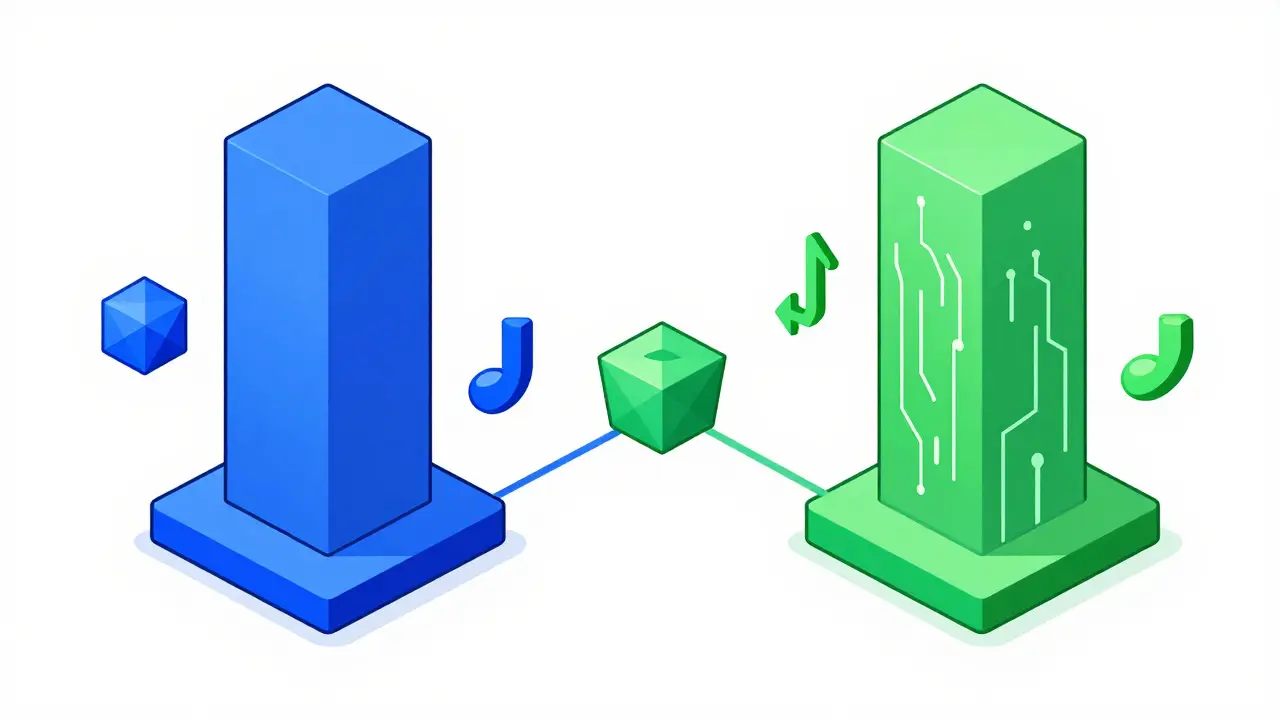
When you hear about crypto, you probably think of Bitcoin or Ethereum. But there are thousands of smaller tokens floating around, some promising the next big thing and others fading into obscurity. One of those is ZENIQ, a cryptocurrency token that launched with ambitions to bridge traditional finance and blockchain technology. If you are looking at ZENIQ right now, you need to know exactly what it is, how it works, and most importantly, what the actual market reality looks like compared to the marketing hype.
Unlike the massive networks you see on the news, ZENIQ operates in a much quieter corner of the crypto world. It claims to offer a dual-chain system with a decentralized exchange built right in. But when you dig into the numbers and the community activity, the picture gets a bit more complex. This guide breaks down the technical architecture, the market data, and the risks involved so you can make a smart decision.
Understanding the Zeniq Ecosystem
At its core, ZENIQ is a cryptocurrency token designed to function within a multi-chain blockchain ecosystem. The project was developed by Zeniq Corporation, a company that set out to create a platform for managing and trading digital assets securely. The vision was to create a system that could handle transactions fast while integrating with existing financial infrastructure.
The ecosystem isn't just one blockchain; it is split into two main parts. First, there is the ZENIQ Main Chain, which is the primary network responsible for handling core transaction processing. This is where the bulk of the token transfers happen. Then, there is the ZENIQ Smart Chain (ZSC), which is a smart contract-enabled sidechain that supports decentralized applications. This setup is designed to let developers build apps without clogging up the main network.
Why does this matter to you? Because the Smart Chain allows for things like automated trading and staking directly on the network. It functions similarly to how other major blockchains operate, where you have a base layer for security and a secondary layer for speed and functionality. The goal was to provide a permissionless platform, meaning anyone can build on it without needing special approval.
How ZeniqSwap and Liquidity Work
A major part of the ZENIQ ecosystem is ZeniqSwap, which is a decentralized exchange (DEX) and automated liquidity protocol. If you have used Uniswap before, you will find the concept familiar. ZeniqSwap uses a constant product formula to manage liquidity pools. This means that the price of tokens is determined mathematically by the ratio of assets in the pool, rather than by a central order book.
The protocol is implemented through smart contracts on the Ethereum blockchain, which adds a layer of security and transparency. However, the documentation notes that these contracts are non-upgradeable. This is a double-edged sword. On one hand, it means the code cannot be changed by developers after deployment, which protects users from sudden rule changes. On the other hand, if there is a bug, it cannot be patched easily.
For traders, ZeniqSwap allows you to swap ZENIQ tokens for other assets like USDT or WETH. The liquidity is provided by users who deposit funds into the pools and earn fees in return. This is a common model in DeFi (Decentralized Finance), but the volume on ZENIQ is significantly lower than on major exchanges, which affects how easily you can trade large amounts without moving the price.
Market Data and Trading Reality
When you look at the market data, the numbers tell a specific story. As of the last major data snapshot from late 2023, the ZENIQ token was trading at approximately $0.0026 to $0.0027 USD. While the price seems low, the real metric to watch is the trading volume. The 24-hour trading volume was reported around $1,200 across all exchanges.
| Exchange | Trading Pair | 24h Volume (USD) | Market Share |
|---|---|---|---|
| BitMart | ZENIQ/USDT | $1,159 | 99.7% |
| LATOKEN | ZENIQ/USDT | $35 | 2.9% |
| Uniswap V3 | ZENIQ/WETH | $3 | 0.2% |
| LATOKEN | ZENIQ/ETH | $1 | 0.1% |
This data highlights a critical point: liquidity is extremely concentrated. Almost all trading happens on BitMart. If that exchange has issues or if you want to sell a large amount, you might find it difficult to do so without slippage. Compared to giants like Ethereum, which is a blockchain platform with daily trading volumes exceeding $15 billion, or even BNB Chain, which is a high-performance blockchain with daily volumes over $2 billion, ZENIQ's volume is negligible. It ranks far below the top 500 cryptocurrencies, suggesting it is a niche asset.
Technical Architecture and Security
The technical setup of ZENIQ draws comparisons to the dual-chain model used by BNB Chain. In that model, you have a main chain for transfers and a smart chain for apps. ZENIQ aims for similar functionality but lacks the same level of public documentation regarding performance metrics. For example, BNB Chain processes about 1,400 transactions per second (TPS) with 3-second finality. ZENIQ's documentation does not specify its TPS or finality times, which makes it hard to judge its speed for real-world use.
Security is another area to consider. Established blockchains like Ethereum have undergone dozens of security audits by firms like OpenZeppelin. For ZENIQ, there are no widely publicized third-party audit reports available in the standard documentation. In the crypto world, audits are crucial because they verify that the smart contracts don't have vulnerabilities that hackers could exploit. The absence of these reports is a risk factor that investors should weigh carefully.
The consensus mechanism-the way the network agrees on the state of the blockchain-is also not explicitly defined in the public materials. While the sidechain architecture suggests a delegated Proof-of-Stake (PoS) system, which is common for sidechains, the lack of clarity means you are trusting the developers' word on how the network is secured.
Community and Development Activity
A healthy crypto project usually has an active community. You can see this on platforms like Reddit, Twitter, and GitHub. For ZENIQ, the engagement is quite low. There is no dedicated subreddit for ZENIQ, and mentions across crypto subreddits are rare-only around 17 mentions in a six-month period. Compare that to Bitcoin or Ethereum, which have thousands of daily discussions.
On Twitter, the official account has a small following. The engagement metrics are low, with average likes and retweets in the single digits. This suggests that while the project exists, it hasn't captured the attention of the broader crypto community. Developer activity is another key indicator. Major projects have active GitHub repositories with thousands of commits. ZENIQ's developer organization shows minimal activity, and there are no publicly accessible repositories that show regular code updates.
This lack of activity doesn't necessarily mean the project is dead, but it does mean it is not growing rapidly. It operates on the periphery of the ecosystem. If you are looking for a project with a vibrant community that supports you when things go wrong, ZENIQ might not offer that level of support infrastructure.

How to Access and Use ZENIQ
If you decide you want to interact with the ZENIQ ecosystem, the process is relatively standard for crypto users. You will need a digital wallet that supports the network. The documentation indicates that MetaMask is a browser extension wallet that integrates with the Zeniq network. You can configure MetaMask to connect to the ZENIQ Smart Chain by adding the correct network RPC details, which are available on their official documentation portal.
Once your wallet is set up, you can use the Zeniq Explorer, which is a dedicated blockchain explorer for tracking transactions on the Main Chain and Smart Chain. This tool allows you to verify that your transactions have gone through, check your balance, and monitor network activity. It works similarly to Etherscan for Ethereum.
For trading, you would typically go to an exchange that lists the token. Based on historical data, BitMart and LATOKEN are the primary venues. You can buy ZENIQ using stablecoins like USDT or major cryptocurrencies like ETH. However, due to the low liquidity, it is wise to use limit orders rather than market orders to avoid getting a bad price.
Comparing ZENIQ to Major Competitors
To understand where ZENIQ fits, it helps to compare it to established platforms. While ZENIQ aims to be a decentralized exchange platform, it competes with giants like Uniswap and PancakeSwap. These competitors have market capitalizations in the billions and deep liquidity. ZENIQ's market cap is estimated to be in the low millions, making it a micro-cap asset.
Another comparison is with BNB Chain. Both use a dual-chain structure. However, BNB Chain has a massive ecosystem of apps, games, and DeFi protocols. ZENIQ's ecosystem is much smaller. If you are looking for utility, you need to ask yourself if the apps available on ZENIQ are worth using compared to the alternatives on Ethereum or Solana. Currently, the lack of unique use cases makes it harder to justify holding ZENIQ over more established tokens.
Risks and Considerations for Investors
Investing in a token like ZENIQ comes with specific risks. The first is liquidity risk. With low trading volume, selling your tokens quickly can be difficult. The second is development risk. With minimal GitHub activity, there is no guarantee that the network will continue to be updated or improved. The third is regulatory risk. There is no clear documentation on compliance frameworks or regulatory approvals, which could be an issue if regulations tighten.
Industry data suggests that projects with trading volumes below $10,000 daily face significant sustainability challenges. Many such projects become inactive within 18 months. While ZENIQ has survived past this threshold, the lack of growth signals caution. Always do your own research and never invest more than you can afford to lose, especially in assets with low market visibility.
What is the main purpose of the ZENIQ token?
The ZENIQ token is designed to facilitate transactions within the Zeniq ecosystem, including paying for gas fees on the Smart Chain and providing liquidity on ZeniqSwap. It serves as the native currency for the platform's decentralized applications.
Where can I buy ZENIQ crypto?
Based on historical data, ZENIQ has been listed on exchanges such as BitMart and LATOKEN. It is also available on decentralized exchanges like Uniswap V3. You should check current listings as exchange availability can change.
Is ZENIQ secure to use?
While the project uses standard blockchain technology, there are no widely publicized third-party security audits available for the ZENIQ smart contracts. This lack of verification is a risk factor that users should consider before connecting their wallets.
Does ZENIQ have a staking program?
The ecosystem supports staking through its Smart Chain and ZeniqSwap liquidity pools. However, specific APY rates and staking terms are not consistently documented in public materials, so you should check the official dashboard for current rewards.
How does ZENIQ compare to Ethereum?
Ethereum is a much larger and more established blockchain with higher security, more apps, and significantly higher trading volume. ZENIQ is a smaller, niche project with a dual-chain architecture that aims to offer faster transactions but lacks the same level of adoption and liquidity.
Kayla Thompson
March 26, 2026 AT 23:57Most people here are chasing the next big thing without understanding the underlying mechanics of liquidity. ZENIQ is clearly a project built for insiders who know how to manipulate low volume charts. The dual chain architecture sounds fancy but it is just marketing fluff for a system that cannot handle real load. I see the same patterns I saw with failed altcoins from the last cycle. You need to look at the actual transaction throughput instead of the whitepaper promises. It is amusing how many retail investors fall for the decentralized exchange narrative when the volume is so thin. The lack of audits is a red flag that even a novice should spot immediately. I suggest staying away from anything that does not have institutional backing or at least a clear roadmap. This token is destined to fade into obscurity like so many others before it. The community engagement metrics prove that there is no real demand for the utility offered.
Brijendra Kumar
March 27, 2026 AT 01:19It is disgusting to see people promoting a project that lacks basic security standards. The developers should be ashamed for releasing code without third party verification. Investing in this is practically gambling with other people's money without proper safeguards. We need to hold these teams accountable for the risks they introduce to the market. The moral failure here is prioritizing profit over user safety and data integrity. People need to wake up and stop supporting unregulated financial schemes. This is exactly why the industry has a bad reputation among the general public. You are enabling bad actors by giving them liquidity and attention. Shame on anyone who would touch this token without demanding transparency first. The ethical implications of this launch are completely ignored by the hype machine.
Ananya Sharma
March 28, 2026 AT 15:52the security point is valid but maybe people are just cautious about new tech
Florence Pardo
March 29, 2026 AT 03:46There is a lot to unpack when you look at the technical specifications of this network. The separation of the main chain and the smart chain is a common pattern in blockchain design. It allows for scalability but introduces complexity that users might not understand. When I think about the liquidity situation it becomes clear why the volume is so low. Most traders prefer platforms where they can enter and exit positions without slippage issues. The reliance on BitMart for almost all trading volume creates a single point of failure. If that exchange goes down the token becomes very hard to move around. I understand the vision of integrating with traditional finance but the execution seems incomplete. Security audits are standard practice for any project that handles significant value. The absence of public reports makes it difficult to trust the smart contracts. Developers often cite cost or timing as reasons for delaying audits but it remains a risk. The community activity on social media is also a strong indicator of project health. Low engagement suggests that the marketing budget is not reaching the right audience. Without a vibrant community there is no support network when things go wrong. Users need to consider if the potential returns justify the uncertainty involved here. Comparing it to Ethereum shows just how far behind this project is in terms of adoption. The lack of unique use cases makes it hard to justify holding the token long term. I hope the team addresses these concerns soon to build more confidence. It is possible that the project is still in early stages and needs more time to mature. Everyone should do their own research before putting any capital into such assets.
Jeannie LaCroix
March 30, 2026 AT 19:59This is absolutely infuriating to read about the lack of transparency. It is impossible to expect us to trust a platform that hides its security data. The drama surrounding the low volume is just the tip of the iceberg. I am tired of projects that promise the world and deliver nothing but risk. You need to stand up for your rights as an investor and demand better standards. This is not just about money it is about the integrity of the entire ecosystem. I feel like I am screaming into the void when I warn people about this. The aggression of the market usually punishes these kinds of hidden agendas quickly. Do not let them fool you with fancy terms and complex architectures. It is time to take a stand against these vague and unverified projects.
Sam Harajly
March 31, 2026 AT 12:38The architectural decisions made by the Zeniq Corporation appear to follow established industry precedents. However, the lack of public documentation regarding performance metrics is a significant oversight. Investors should consider the implications of non-upgradeable smart contracts before participating. The liquidity concentration on a single exchange presents a tangible risk to asset portability. It is important to weigh the potential benefits against the documented operational challenges. The project seems to be in a niche segment of the market with limited visibility. Further observation of development activity would be prudent before making any financial commitments. The technical setup resembles other dual-chain models but lacks comparable ecosystem depth. Transparency remains a key factor in the long-term viability of any digital asset. A more comprehensive approach to security auditing would likely improve investor confidence.
Pradip Solanki
April 1, 2026 AT 02:33the consensus mechanism is likely delegated pos but without explicit proof the gas fees and tps remain theoretical constructs for now. liquidity pools on zeniqswap operate on constant product formulas similar to uniswap v2 but the depth is insufficient for institutional order flow. slippage will be a major factor for any whale looking to enter or exit positions on the bitmart pair. the absence of openzeppelin audits means smart contract vulnerabilities could exist in the bytecode without detection. sidechain finality times are critical for dapp performance and the lack of data here is concerning for developers. you are essentially trusting the dev team on the security posture which is a high risk proposition in the current regulatory environment. the market cap is micro and the volume is negligible compared to major l1s or l2s. i would advise against exposure until there is verifiable onchain data supporting the claims. the tokenomics are not detailed enough to assess inflation rates or vesting schedules for early investors. this is a high risk asset class that requires deep technical due diligence before allocation.
Brad Zenner
April 1, 2026 AT 09:54It is important to clarify that the MetaMask configuration requires specific RPC details found in the official docs. Users should verify the network parameters before connecting their wallets to avoid phishing risks. The Zeniq Explorer can be used to track transaction status once the network is added. Limit orders are recommended over market orders due to the thin order book on the listed exchanges. There is a learning curve for setting up the dual-chain interaction correctly. Security best practices should always be followed when interacting with new protocols. The documentation portal should be checked regularly for updates on network status. It is a standard process but requires attention to detail to ensure funds are safe.
Abhishek Thakur
April 2, 2026 AT 14:01The token works on a dual chain system like BNB but it is much smaller. You need to use MetaMask to connect to the network properly. Liquidity is low so you might lose money if you sell too fast. The smart contracts are not audited which is a big risk for hackers. BitMart has almost all the trading volume so you must trade there. It is not like Ethereum or Bitcoin in terms of security or size. People should check the explorer before sending any funds. The project is still small and might not grow fast. Use limit orders to get a better price when buying. This is for people who understand crypto risks well.
Lorna Gornik
April 2, 2026 AT 18:34omg the risks are real but maybe its just early days 🤷♀️ i think ppl are too scared to try new stuff 😬 the tech sounds kinda cool tho if it works out 🚀 just make sure u check the docs before u connect ur wallet 💻 hope the team sorts out the audits soon 🙏 crypto is wild sometimes 🎢
Joshua T Berglan
April 3, 2026 AT 07:06Let's keep the energy positive even with the risks involved 💪 There is always potential for growth in the crypto space 📈 We just need to stay informed and manage our exposure wisely 🧠 The community can help build momentum if we support each other 🤝 Don't let the fear stop you from learning about the technology 🛠️ Every project starts small before it becomes big 🌱 Stay safe and keep doing your own research 🔍
Kevin Da silva
April 4, 2026 AT 10:31the liquidity risk is the only thing that matters here
Nicolette Lutzi
April 5, 2026 AT 03:27There is a reason why the volume is so low and it is not just market conditions. The insiders are likely waiting to dump their holdings on unsuspecting retail investors. The lack of audits is a deliberate move to hide the vulnerabilities in the code. Regulatory bodies are probably watching this closely to see if it crosses the line. You are being set up to lose money if you buy into the hype now. The centralized control behind the decentralized facade is obvious to anyone looking closely. This is how the system is designed to extract wealth from the masses. Trusting the developers without proof is a mistake that will cost you later. The narrative is crafted to distract from the lack of real utility. Wake up before the rug pull happens and it is too late to react.
Domenic Dawson
April 5, 2026 AT 21:04I understand the fear but we should also consider the possibility of genuine innovation. Not every project is a scam and some just need time to prove their value. It is important to stay calm and not let paranoia drive your investment decisions. We can learn from the risks mentioned without assuming the worst outcome. Supporting the community with constructive feedback is better than spreading negativity. Everyone has the right to make their own choices based on their risk tolerance. Let's focus on the facts rather than the speculation about hidden agendas. Keeping an open mind helps us navigate the complex crypto landscape better. We are all in this together and should look out for one another.
Tony Phillips
April 6, 2026 AT 07:59It is great to see people discussing the technical details so thoroughly. I think there is hope for the project if the team commits to transparency soon. The dual-chain model has potential if executed correctly in the future. We should remain friendly and supportive while we wait for more data. Optimism is healthy as long as it is grounded in reality. Let's keep the conversation constructive for everyone reading this. There is always a chance for improvement in the blockchain space. I appreciate the detailed breakdowns provided by everyone here. Let's stay positive and keep learning about these technologies.