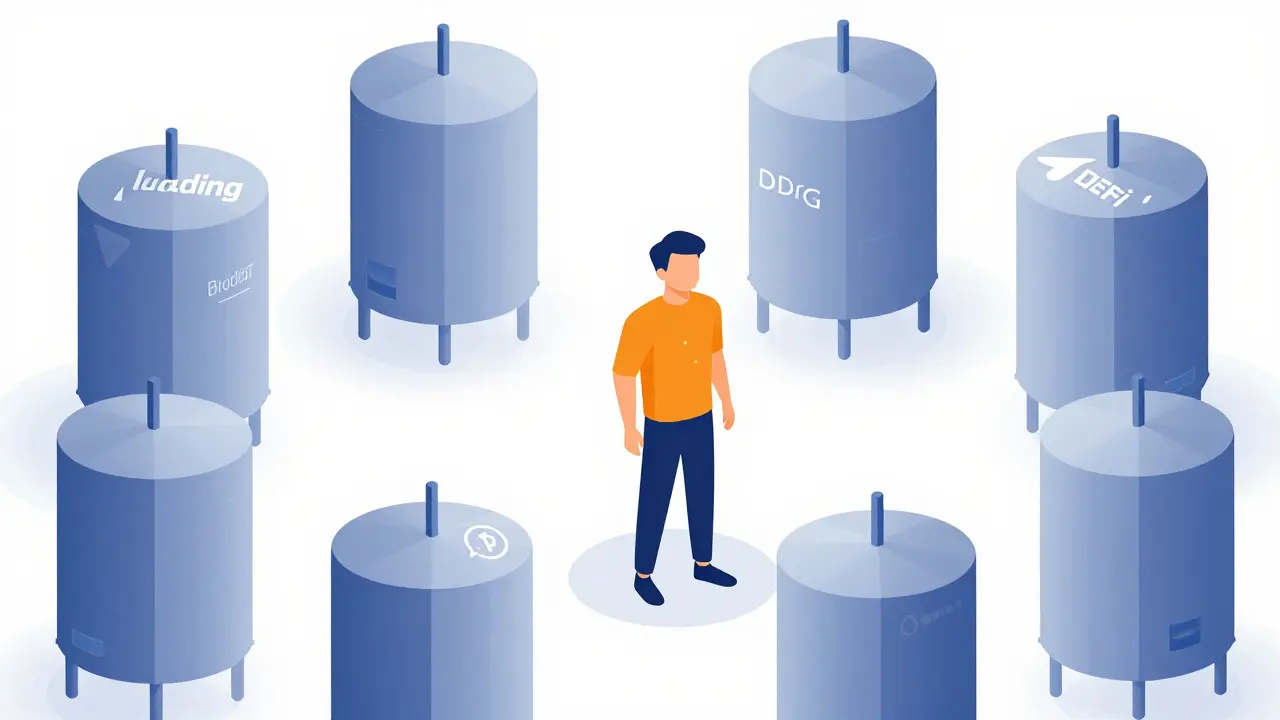
Have you ever felt overwhelmed by the sheer number of decentralized finance (DeFi) apps? You want to lend your crypto, trade derivatives, or move assets between chains, but every protocol seems to live in its own silo. That is exactly the problem Renq Finance, known by its ticker RENQ, aims to solve. It is a community-driven DeFi platform designed to bridge the gap between the ease of use found on centralized exchanges and the security of keeping control over your own funds.
As we navigate through mid-2026, understanding what Renq Finance actually does-and whether it is worth your attention-requires looking beyond the hype. This guide breaks down the platform's core features, the utility of the RENQ token, current market standing, and the risks you need to watch out for.
The Core Mission: Simplifying DeFi Access
At its heart, Renq Finance is a comprehensive suite for fintech developers and retail users alike, focusing on accessibility and user empowerment. The founders recognized that early DeFi protocols were intimidating. Users had to understand gas fees, slippage, impermanent loss, and complex smart contract interactions just to make a simple trade. Renq Finance attempts to democratize access to advanced financial products that were previously restricted to sophisticated investors or regulated intermediaries.
The platform operates within the broader RIF technology ecosystem. Its primary goal is to provide a unified interface where users can perform multiple financial actions without jumping between different apps. Think of it as trying to build a decentralized version of a traditional bank branch, where you can deposit, borrow, trade, and invest all under one roof, but with the added benefit of not handing over custody of your keys to a central company.
Key Features and Platform Components
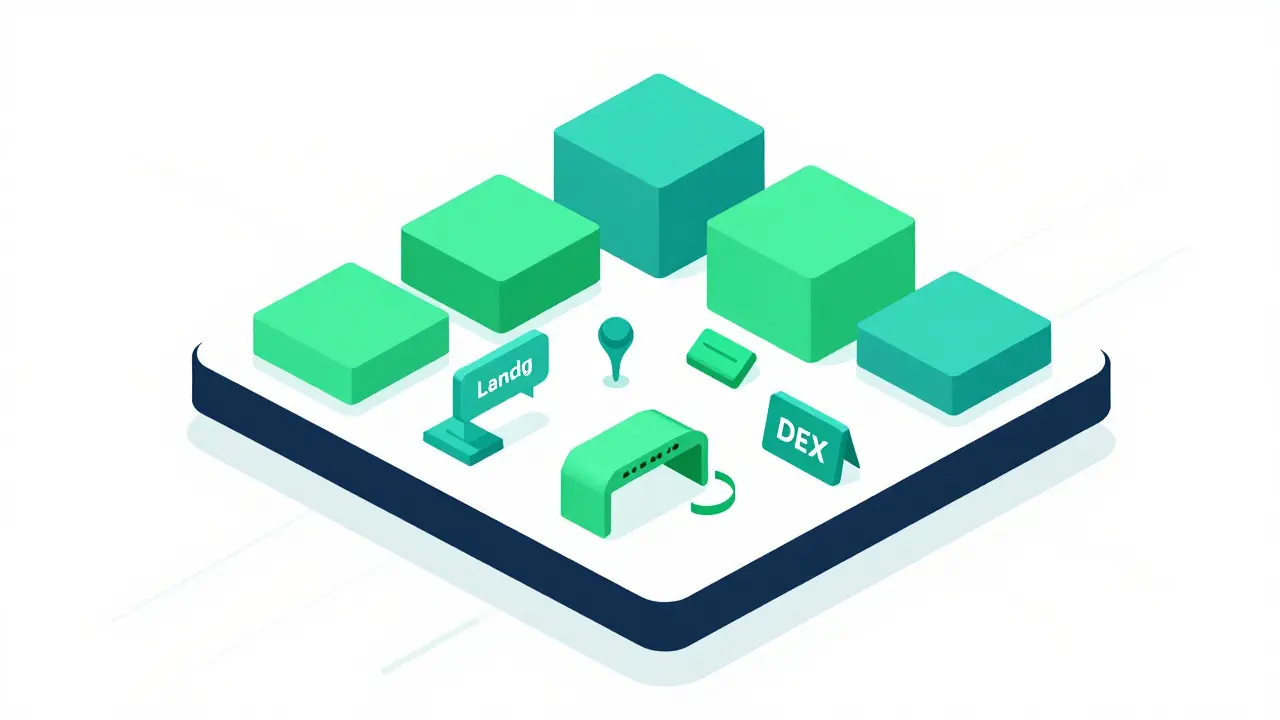
Renq Finance is not just a single tool; it is an aggregation of several critical DeFi functions. Here is how the platform breaks down:
- Crypto Lending Marketplace: Users can create and manage their own lending pools using special digital assets as collateral. This allows for peer-to-peer lending without traditional banks acting as middlemen.
- Decentralized Exchange (DEX): A fully functional trading platform that facilitates seamless swapping of various cryptocurrencies. It aims to offer liquidity comparable to centralized venues while maintaining decentralization.
- Derivatives and Margin Trading: One of the standout features is the ability to trade derivatives. This enables hedging strategies and speculation, allowing users to express nuanced opinions on price volatility. Crucially, this eliminates the need for a regulated central clearing house.
- Cross-Chain Asset Exchange: Perhaps the most technically ambitious feature, this component connects isolated blockchains. It enables the transfer and exchange of assets across different networks, addressing the fragmentation issue in the blockchain space.
- Staking Functionality: Users can lock their assets to earn passive income, incentivizing participation and helping secure the network.
The integration of these services into a single dashboard is significant. Instead of connecting to Uniswap for swaps, Aave for lending, and a separate bridge for cross-chain moves, Renq Finance attempts to consolidate these experiences. This reduces the cognitive load on users and minimizes the risk of interacting with multiple unvetted smart contracts.
Understanding the RENQ Token Utility
The RENQ token is the fuel that powers this ecosystem. It is not merely a speculative asset; it has specific utilities embedded within the platform's governance and economic structure.
- Governance: Holders can participate in decentralized decision-making. This includes voting on platform development roadmaps, parameter adjustments for lending pools, and other critical updates.
- Staking Rewards: By staking RENQ tokens, users contribute to the stability of the platform and earn rewards. This mechanism aligns the interests of long-term holders with the health of the ecosystem.
- Liquidity Incentives: The platform distributes RENQ tokens as rewards to users who provide liquidity to trading pairs and lending pools. This encourages deeper liquidity, which benefits traders by reducing slippage.
This multifunctional design ensures that the token has ongoing demand drivers. As more people use the lending and trading features, the need for liquidity providers increases, potentially driving up the value of the staked tokens if supply remains constrained.
Market Performance and Current Status (Mid-2026)
When evaluating any cryptocurrency, historical performance and current market metrics are essential context. As of July 2026, the RENQ token has experienced significant depreciation from its all-time highs.
| Metric | Value / Status |
|---|---|
| Current Price Range | $0.000483 - $0.000496 USD |
| All-Time High (ATH) | $0.046764 USD |
| Depreciation from ATH | Approximately 95% |
| 24-Hour Volume | $56,000 - $61,000 USD |
| Market Cap Rank | #5704 - #6170 |
| Ethereum Contract | 0xff8C479134A18918059493243943150776cF8CF2 |
The data tells a story of a project that has faced headwinds common to the entire DeFi sector post-2022. The drop from nearly $0.05 to less than half a cent reflects the broader bear market dynamics that affected many non-blue-chip tokens. With a daily trading volume hovering around $60,000, liquidity is modest compared to giants like Ethereum or Solana. This lower liquidity means that large trades could impact the price significantly, a factor to consider if you plan to enter or exit large positions.
Risks and Challenges to Consider
No investment is without risk, and Renq Finance faces several specific challenges. First, the competitive landscape is fierce. Established players like Aave dominate lending, while Uniswap leads in DEX trading. Renq Finance’s strategy of being a "jack-of-all-trades" means it must compete against specialists in every category simultaneously.
Second, the complexity of cross-chain bridges introduces technical risk. While Renq Finance offers built-in guarantee funds and collateralized lending mechanisms to protect users, smart contract vulnerabilities remain a threat in the DeFi space. Any bug in the cross-chain infrastructure could potentially lead to fund losses.
Third, regulatory uncertainty looms over derivatives trading. Since Renq Finance allows for margin trading and derivatives without a central clearing house, it may face scrutiny from regulators in major jurisdictions. If governments impose stricter rules on decentralized derivatives, it could limit the platform's addressable market.
Who Is Renq Finance For?
Despite the risks, there is a clear audience for this platform. It is best suited for:
- Intermediate Crypto Users: Those who are comfortable with wallets but tired of managing multiple DeFi interfaces.
- Traders Seeking Leverage: Individuals looking for decentralized options to hedge portfolios or speculate on volatility without relying on centralized exchanges.
- Yield Farmers: Users interested in earning rewards by providing liquidity to a diverse range of pools within a single ecosystem.
If you are a complete beginner, the concept of "self-custody" and "gas fees" might still require some learning before diving into Renq Finance. However, the platform’s user-friendly wallet design aims to lower that barrier significantly.
Final Thoughts on Renq Finance
Renq Finance represents an ambitious attempt to unify the fragmented DeFi landscape. By combining lending, trading, and cross-chain capabilities, it offers convenience that specialized protocols cannot match. However, the significant price drop and modest trading volumes suggest that adoption has been slower than anticipated. Success will depend on executing its cross-chain vision effectively and gaining trust in a market that is increasingly skeptical of new entrants. Always do your own research and consider starting with small amounts to test the platform’s usability and reliability.
Is Renq Finance safe to use?
Like any DeFi platform, Renq Finance carries inherent risks. It uses smart contracts and cross-chain bridges, which can be vulnerable to bugs or hacks. However, the platform implements safety measures such as guarantee funds and collateralized lending mechanisms. Always audit your own exposure and start with small amounts to mitigate potential losses.
What is the RENQ token used for?
The RENQ token serves three main purposes: governance (voting on platform changes), staking (earning rewards by locking tokens), and liquidity incentives (rewarding users who provide trading depth). It is the core utility token that drives the ecosystem's economy.
How does Renq Finance compare to Aave or Uniswap?
Aave specializes in lending, and Uniswap focuses on decentralized swapping. Renq Finance aggregates both functions along with derivatives and cross-chain trading into one platform. While Aave and Uniswap have higher liquidity and brand recognition, Renq offers a more consolidated user experience for those who want multiple financial tools in one place.
Can I trade derivatives on Renq Finance?
Yes, Renq Finance supports derivatives and margin trading. This allows users to hedge their portfolios or speculate on price movements without needing a centralized exchange. Note that derivatives involve higher risk due to leverage, so they are generally recommended for more experienced traders.
Where can I buy RENQ tokens?
RENQ tokens are traded on various cryptocurrency exchanges. As of mid-2026, prices vary slightly between platforms like Coinbase, Crypto.com, and others. You can also swap for RENQ directly on the Renq Finance DEX if you already hold compatible base assets like ETH or USDT.
What is the all-time high price of RENQ?
The all-time high price for RENQ was approximately $0.046764 USD. As of July 2026, the token trades significantly lower, around $0.000487 USD, representing a substantial depreciation from its peak valuation during previous bull markets.