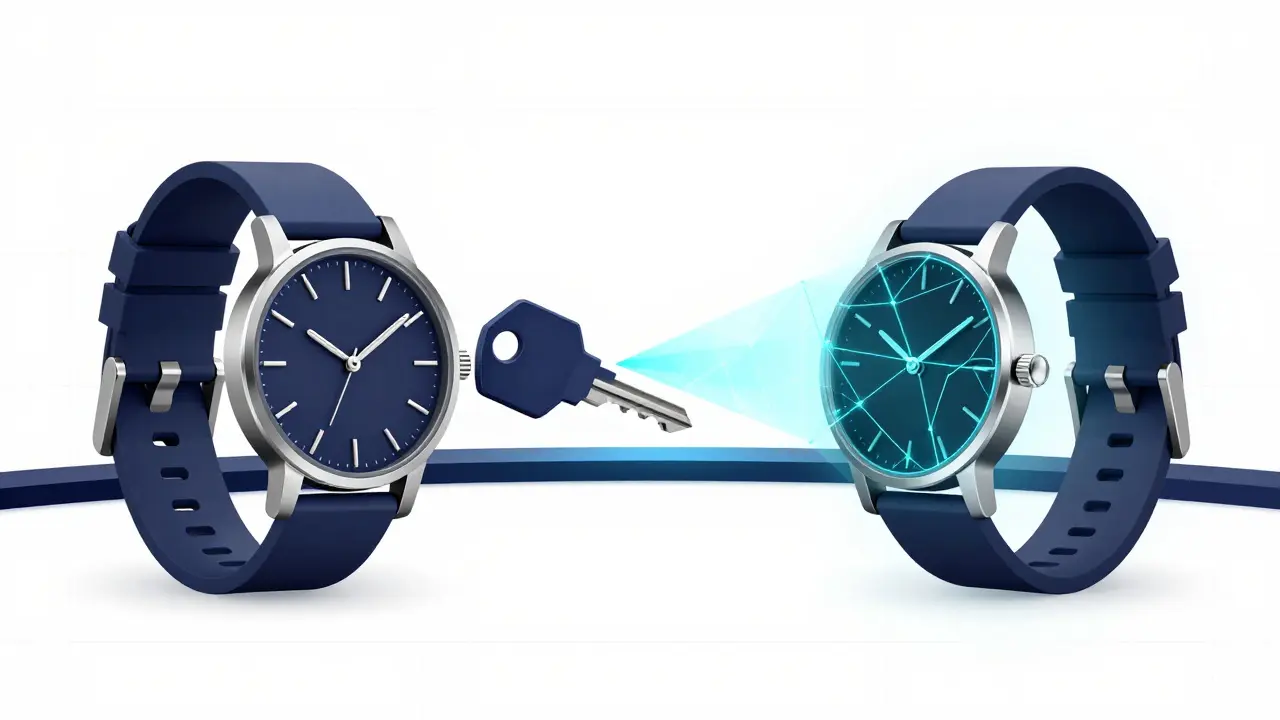
Have you ever wondered why buying a luxury watch or a piece of real estate online still feels so clunky compared to buying a song or an e-book? The gap between digital convenience and physical ownership is huge. That’s exactly where LEOX comes in. It isn’t just another speculative coin; it’s the fuel for a system designed to bridge that gap.
LEOX is the utility token behind the Galileo Protocol, a Web3 platform built on Quant's Overledger Network to connect digital and physical assets through tokenization. If you’re looking to understand what makes this project different from the thousands of other tokens launching every week, you need to look past the price chart and into the mechanics of how it handles real-world assets. This guide breaks down exactly what LEOX is, how it works within the Galileo ecosystem, and whether it has staying power in the current market landscape of May 2026.
The Core Problem: Bridging Physical and Digital Worlds
Most blockchain projects focus purely on digital assets-art, gaming items, or governance rights. While valuable, these don’t solve the massive friction involved in trading high-value physical goods. Think about buying a vintage Rolex or a plot of land. You deal with intermediaries, paperwork, authentication risks, and slow settlement times. Counterfeiting is also a persistent nightmare in luxury markets.
Galileo Protocol attempts to fix this by introducing physical Non-Fungible Tokens (pNFTs), digital twins representing ownership of physical assets like real estate, cars, and luxury watches. These aren’t just pictures of objects; they are cryptographic proofs of ownership tied directly to the physical item. When you hold the pNFT, you have verifiable proof that you own the actual asset. This creates a layer of trust and liquidity that traditional markets struggle to provide.
How LEOX Powers the Ecosystem
So, what does the LEOX token actually do? It’s not a passive store of value. It’s a functional tool required to operate within the Galileo network. Here are the primary jobs LEOX performs:
- Minting Fees: To create a new pNFT for a physical asset, users must pay fees in LEOX. This ensures that the process of tokenizing real-world items has a cost barrier against spam and abuse.
- Transaction Discounts: Holding LEOX gives users reduced fees when trading pNFTs or transferring funds within the protocol. It incentivizes long-term holding rather than quick flips.
- Governance Rights: Token holders can vote on proposals that shape the future of the Galileo Protocol. This includes decisions on which chains to support or how treasury funds are allocated.
- Royalty Payments: Creators and original owners of assets can receive royalties in LEOX whenever their pNFTs are resold, ensuring ongoing revenue streams.
This utility model means that demand for LEOX is theoretically linked to the usage of the platform. More people tokenizing assets equals more LEOX needed for transactions. It’s a classic flywheel effect, but only if the underlying product-the pNFT marketplace-actually gains traction.
Technical Foundation: Quant and QRC-20
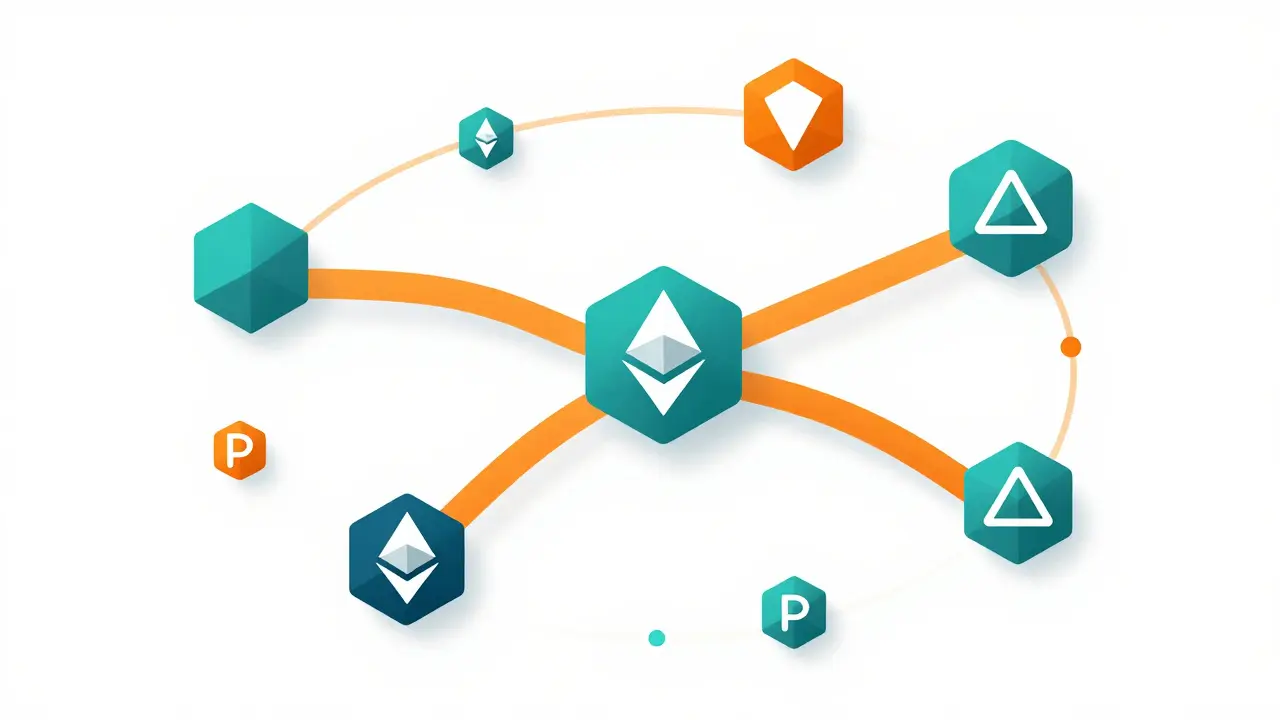
You might notice that LEOX doesn’t run on Ethereum or Solana. Instead, it operates on Quant's Overledger Network, a multi-chain infrastructure that allows communication between different blockchains. This is a critical distinction. Most token standards are chain-specific. ERC-20 tokens live on Ethereum. SPL tokens live on Solana. They don’t talk to each other easily.
LEOX uses the QRC-20 standard, a secure smart contract standard developed by Quant for interoperable token operations. This standard was designed to be compatible across multiple blockchains via Overledger. Why does this matter for physical assets? Because different industries prefer different chains. Real estate developers might use Ethereum for its security. Car manufacturers might prefer Polygon for its speed. LEOX acts as the universal connector, allowing pNFTs to move and interact across these disparate networks without getting stuck.
Security is also baked into this architecture. Galileo Protocol relies on third-party audited cryptography. Since we’re dealing with real-world assets worth potentially millions of dollars, security isn’t optional-it’s the product. The integration with Quant’s enterprise-grade security features aims to provide institutional-level protection for retail users.
Market Performance and Availability (May 2026)
Let’s look at the numbers. As of early May 2026, LEOX sits at a modest market position. According to data from CoinGecko, it ranks around #2649 globally. The price hovers near $0.0055 USD, with a circulating supply of approximately 51 million tokens. This low market cap indicates that LEOX is still in its early growth phase, far removed from the blue-chip status of Bitcoin or Ethereum.
| Metric | Value |
|---|---|
| Current Price | $0.005459 - $0.007279 USD |
| Market Cap | ~$280,000 USD (approximate based on BTC valuation) |
| Circulating Supply | 51 Million LEOX |
| 24h Volume | $59,609 - $117,040 USD |
| Primary Exchange | MEXC (LEOX/USDT pair) |
| Underlying Tech | Quant Overledger / QRC-20 |
The trading volume is relatively thin compared to major altcoins, which means liquidity can be an issue. Large buy or sell orders could cause significant price slippage. Most trading activity happens on MEXC, with some presence on Uniswap V3 and BitMart. If you plan to trade LEOX, expect higher volatility and wider spreads than you’d see on established pairs like ETH/USDT.
Recent performance shows a slight uptick (+3.7% over 7 days), outperforming the broader crypto market average but lagging behind the hottest sectors in the Ethereum ecosystem. This suggests steady, organic interest rather than hype-driven pumps.
Use Cases: Who Actually Needs pNFTs?
To evaluate LEOX’s potential, you need to understand who benefits from pNFTs. The target audience isn’t just crypto natives; it’s traditional industries looking to modernize.
- Luxury Goods Brands: Companies selling high-end watches, handbags, or jewelry can issue pNFTs to prove authenticity. This combats counterfeiting and allows brands to track secondary sales for royalty collection.
- Real Estate Developers: Fractional ownership of property becomes easier when title deeds are represented as pNFTs. Buyers can purchase shares of a building using crypto or fiat, with clear, immutable records of ownership.
- Automotive Industry: Car manufacturers can digitize vehicle history and ownership. Selling a used car becomes as simple as transferring a token, with all maintenance records attached.
- Collectors: Enthusiasts of rare art, sneakers, or memorabilia can verify provenance instantly. No more shady receipts or questionable certificates.
The beauty of Galileo Protocol is its flexibility. It accepts both fiat and cryptocurrency payments (including USDC, QNT, and LEOX). This lowers the barrier to entry for non-crypto users, making the technology accessible to mainstream consumers.
Risks and Considerations
No investment is without risk, and LEOX faces several specific challenges. First, adoption depends entirely on external partners. If luxury brands and real estate firms don’t integrate with Galileo Protocol, the pNFT marketplace remains empty, and LEOX loses its utility. Second, regulatory uncertainty looms large. Tokenizing real-world assets touches securities laws in many jurisdictions. Governments may impose strict rules on how pNFTs are issued and traded, potentially limiting the protocol’s global reach.
Third, there’s the execution risk. Building cross-chain infrastructure is notoriously difficult. Bugs, exploits, or failures in the QRC-20 standard or Overledger network could compromise user funds. While audits help, no system is immune to human error. Finally, competition is fierce. Other platforms like Centrifuge, Goldfinch, and various DeFi protocols are also vying for the real-world asset tokenization space. LEOX needs a clear competitive advantage to survive.
How to Get Started with LEOX
If you decide to explore LEOX, here’s the practical path forward. You’ll need a wallet compatible with the Quant ecosystem. Unlike MetaMask, which focuses on Ethereum, you’ll likely need a specialized wallet that supports QRC-20 tokens. Once set up, you can acquire LEOX on exchanges like MEXC or Uniswap. Remember to factor in gas fees and slippage due to lower liquidity.
Don’t just buy and forget. Engage with the community. Check the Galileo Protocol roadmap. See which brands are partnering with them. Are there active pNFT listings? Is the governance forum lively? These signals tell you more about the project’s health than any price prediction.
Is LEOX a good investment?
LEOX is a high-risk, high-reward speculative asset. Its value depends entirely on the adoption of the Galileo Protocol and the success of physical NFT tokenization. Only invest what you can afford to lose, and do your own research before buying.
What is the difference between LEOX and regular NFTs?
Regular NFTs represent purely digital items like art or gaming skins. LEOX powers pNFTs, which are digital tokens linked to physical assets like real estate or luxury goods. The key difference is the tangible backing and real-world utility.
Can I buy LEOX with fiat currency?
Indirectly, yes. You can buy USDT or other stablecoins with fiat on exchanges like MEXC, then swap those for LEOX. The Galileo Protocol itself accepts fiat for pNFT purchases, but acquiring the LEOX token usually requires a crypto-to-crypto trade.
Why does Galileo Protocol use Quant instead of Ethereum?
Quant’s Overledger Network enables cross-chain interoperability. This allows pNFTs to exist and move across multiple blockchains (Ethereum, Polygon, BSC, etc.) seamlessly, which is crucial for connecting diverse real-world industries that may prefer different underlying technologies.
What are the main risks of investing in LEOX?
Key risks include low liquidity, regulatory uncertainty regarding tokenized assets, dependency on third-party brand partnerships, and technical vulnerabilities in cross-chain infrastructure. Additionally, competition in the RWA (Real World Asset) sector is intense.