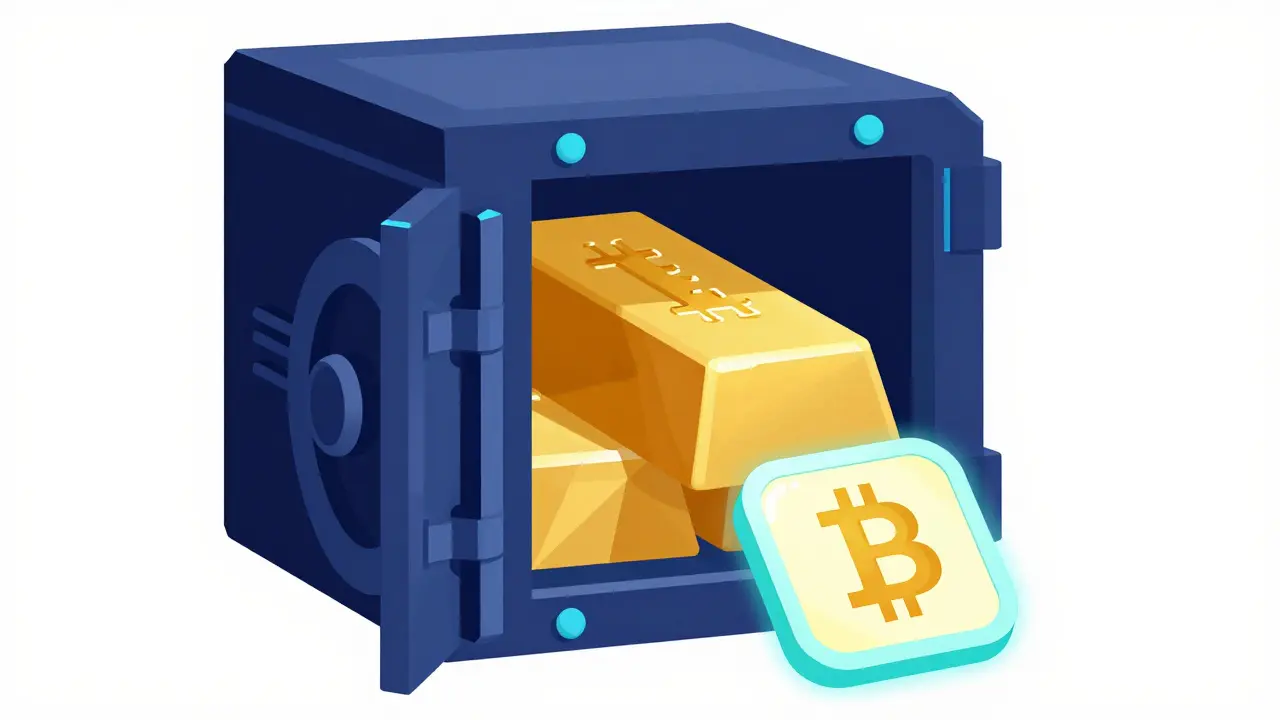
Imagine you have a gold bar locked in a high-security vault. You know it's there, but you can't exactly take it to a local coffee shop or use it to get a loan from a digital lender because it's too bulky and immobile. Now, imagine the vault owner gives you a digital certificate that represents exactly one gold bar. You can trade that certificate, lend it, or move it around instantly, and at any moment, you can trade it back for the actual gold bar. That is essentially how Coinbase Wrapped BTC is an ERC-20 token backed 1:1 by native Bitcoin held in secure custody by Coinbase. Also known as cbBTC, it allows users to take the value of Bitcoin and use it on networks where native Bitcoin doesn't naturally live.
Why do we even need wrapped Bitcoin?
Bitcoin is the king of crypto, but it's not built for complex apps. It doesn't have smart contracts that allow for things like automated lending, decentralized insurance, or complex trading strategies. On the other hand, networks like Ethereum and the Base network (Coinbase's own Layer 2 solution) are designed exactly for those things. If you want to earn interest on your Bitcoin using a Coinbase Wrapped BTC token, you don't have to sell your BTC for a different coin. You just "wrap" it. This gives you the best of both worlds: the price stability and prestige of Bitcoin and the high-speed, low-cost utility of a DeFi ecosystem.
How the wrapping and unwrapping process actually works
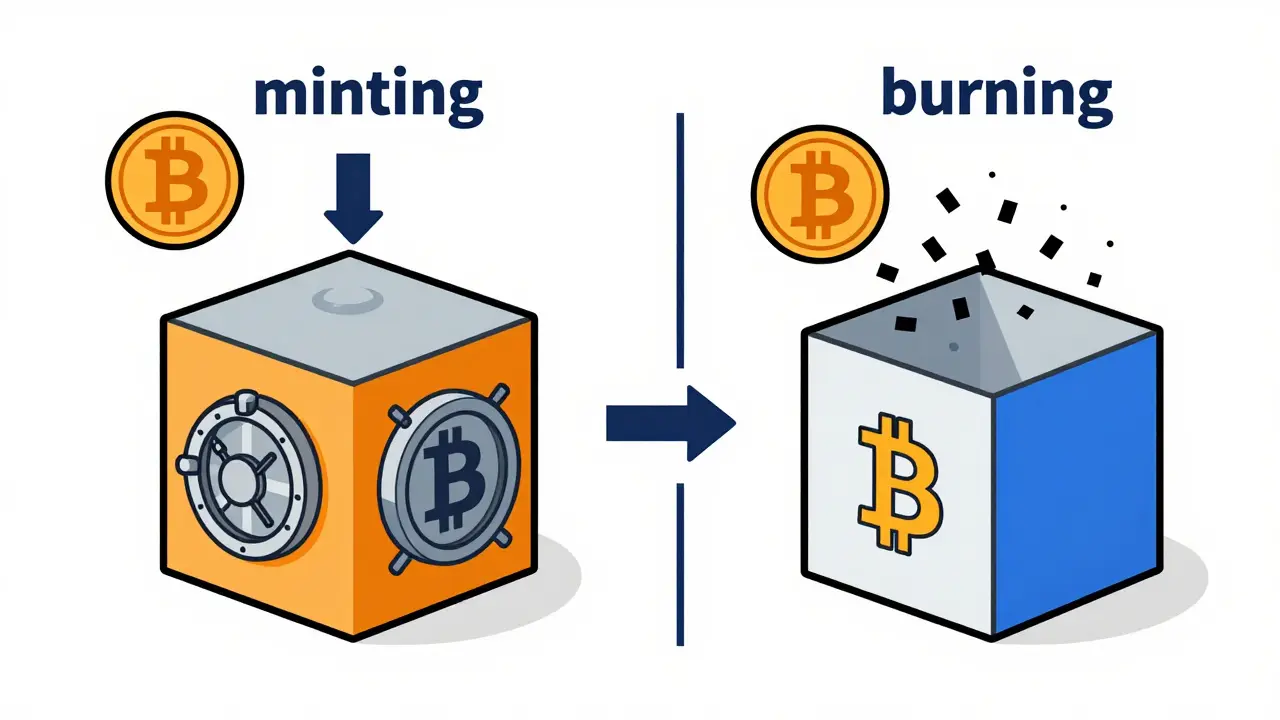
It sounds technical, but the process is handled mostly behind the scenes by Coinbase. There are two main actions: minting and burning.
Minting (Wrapping): When you decide to move your BTC from your Coinbase account to a network like Base or Ethereum, Coinbase takes your Bitcoin and puts it into secure cold storage. In exchange, they "mint" (create) an equal amount of cbBTC tokens. If you wrap 1 BTC, you get 1 cbBTC. This token is then sent to your digital wallet.
Burning (Unwrapping): When you're done playing around in DeFi and want your actual Bitcoin back, you send your cbBTC back to a specific Coinbase address. Coinbase then "burns" (destroys) those tokens and releases the corresponding amount of native BTC from their vault back into your Bitcoin account.
| Feature | Native Bitcoin (BTC) | Coinbase Wrapped BTC (cbBTC) |
|---|---|---|
| Network | Bitcoin Blockchain | Ethereum / Base Network |
| Smart Contract Use | Very Limited | Fully Compatible with DeFi |
| Speed & Cost | Slower / Variable Fees | High Speed / Very Low Fees (on Base) |
| Backing | The asset itself | 1:1 BTC held by Coinbase |
Where can you use cbBTC?
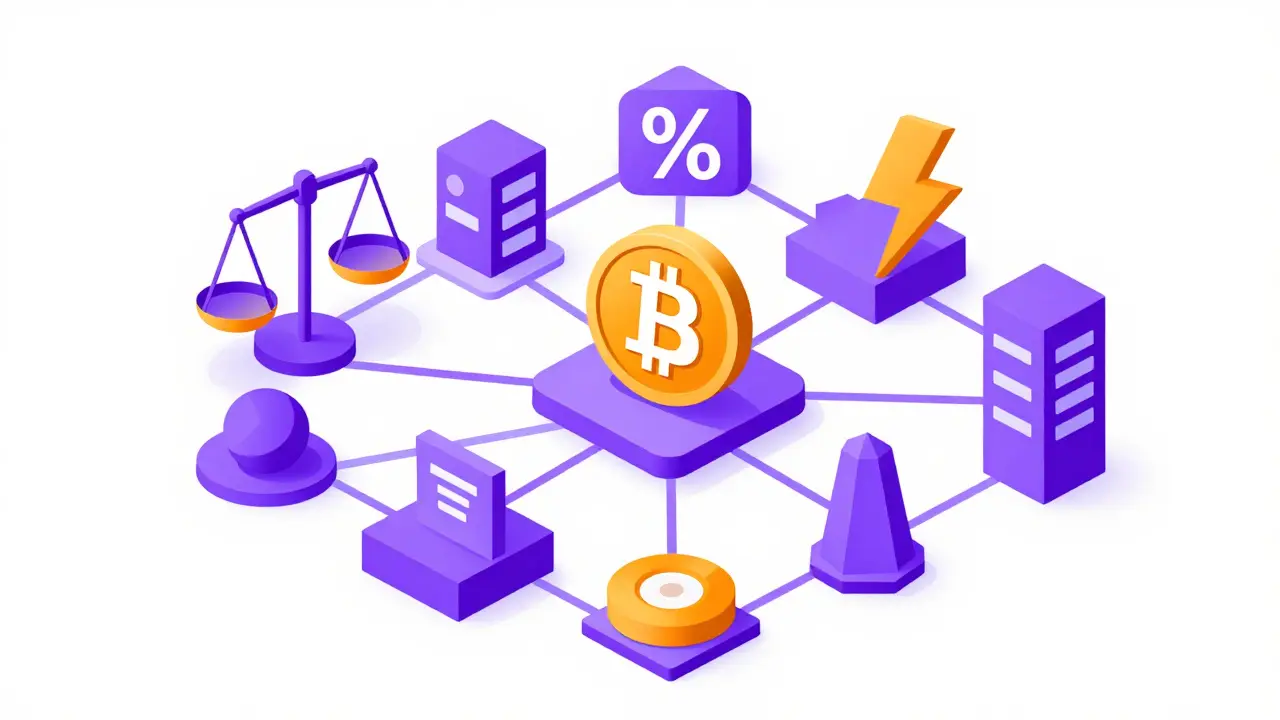
The real magic happens when you leave the centralized exchange and head into Decentralized Finance (or DeFi), which is a system of financial apps that operate without a central middleman. Because cbBTC is an ERC-20 token, it fits perfectly into these apps.
For instance, you can provide liquidity on decentralized exchanges. On the Base network, you'll see a lot of cbBTC trading pairs. Using platforms like Aerodrome SlipStream or PancakeSwap V3, users can pair their cbBTC with other assets (like WETH) to earn trading fees. Instead of your Bitcoin just sitting in a wallet, it's actively working to earn you more money.
Is it safe? Trust and Transparency
The biggest question with any wrapped asset is: "Does the company actually have the money they say they have?" If Coinbase minted more cbBTC than they had BTC in the vault, the system would collapse. To prevent this, Coinbase uses a few safeguards:
- Cold Storage: The bulk of the BTC backing the tokens is kept offline in secure custody solutions to prevent hacking.
- Audited Contracts: The smart contracts that manage the wrapping and burning are audited for security vulnerabilities.
- Open Source: Much of the infrastructure is based on the same code used for Coinbase Wrapped Staked ETH (cbETH), and the code is available on GitHub for developers to inspect.
As of April 2026, the adoption has been huge, with nearly 475,000 holders and a market cap pushing nearly $6 billion. This level of liquidity makes it one of the most reliable ways to move Bitcoin into the Ethereum-compatible world.
Potential risks to keep in mind
While cbBTC is highly secure, it's not without risks. The most obvious one is custodial risk. Unlike holding your own Bitcoin keys (where you have total control), with cbBTC, you are trusting Coinbase to keep your BTC safe and to honor the redemption process. If Coinbase were to face a massive operational failure, your access to the underlying BTC could be affected.
There is also a small amount of price volatility. While it aims for a strict 1:1 ratio, the market price of cbBTC on decentralized exchanges can deviate slightly. You might see it trade at BTC 1.03 or BTC 0.98. Usually, this is a tiny gap, but it's something to watch if you're trading millions of dollars.
Is cbBTC the same as native Bitcoin?
No. Native Bitcoin lives on the Bitcoin blockchain. cbBTC is a digital token that lives on the Ethereum and Base networks. However, it is designed to represent Bitcoin 1:1, meaning every cbBTC token is backed by one real Bitcoin held by Coinbase.
How do I get cbBTC?
The easiest way is through your Coinbase account. When you withdraw your BTC to a compatible wallet on the Base or Ethereum network, Coinbase automatically converts it to cbBTC.
Can I lose my cbBTC?
Just like any other crypto token, if you store your cbBTC in a private wallet and lose your seed phrase or private keys, you lose access to the tokens. Always use a secure wallet and backup your keys.
What happens if Bitcoin's price drops?
Since cbBTC is pegged 1:1 to Bitcoin, its price will move exactly with Bitcoin. If Bitcoin drops by 10%, the value of your cbBTC will also drop by 10% in USD terms.
Which network is better for cbBTC: Ethereum or Base?
For most regular users, the Base network is better because the transaction fees (gas fees) are significantly lower and the speeds are faster, while still maintaining a high level of security through Ethereum's infrastructure.
Next steps for users
If you're a Bitcoin holder who just lets your coins sit idle, you might want to experiment with wrapping. Start by moving a small amount of BTC to the Base network to see how the DeFi tools work. Look into liquidity pools on Aerodrome or explore lending platforms to see how much yield you can generate. Just remember: the more you move your assets into DeFi protocols, the more you're relying on the security of those specific smart contracts, not just Coinbase's vault.
Jimmy vasquez
April 29, 2026 AT 23:39Moving your BTC to the Base network is definitely the way to go if you want to avoid those brutal Ethereum gas fees. It makes experimenting with DeFi way more accessible for everyone.
Barbara Jones
May 1, 2026 AT 11:12this sounds pretty cool but im still a bit nervous about leving my coins on a exchange... like what if they glitch out? 😬
Gabrielle Danis
May 3, 2026 AT 10:23The custodial risk is the primary trade-off here. While the utility of ERC-20 compatibility is immense, you are essentially replacing the trustless nature of Bitcoin with a trust-based relationship with Coinbase.
Sri Astuti
May 4, 2026 AT 13:03Oh wow, look at this little 'guide' pretending to be helpful while completely glossing over the systemic risk of centralized wrapping protocols because honestly, who actually believes that a 1:1 reserve is guaranteed without real-time on-chain proof of reserves? 🙄 It is just another way for a giant corporation to keep a grip on your assets while you chase a few pennies of yield in some liquidity pool that will probably get drained by a smart contract bug anyway, and yet people just blindly follow these 'simple' guides without thinking about the catastrophic failure points 🤡.
Livvy Cooper
May 5, 2026 AT 07:29Just sounds like another way to lose money fast.
Rain Richardsson
May 6, 2026 AT 22:19I like how simple the gold bar analogy is. Really helps it click.
Elle Kharitou
May 8, 2026 AT 05:52It's truly fascinating to see how we are bridging the gap between the stoic, unchanging nature of Bitcoin and the fluid, creative chaos of the Ethereum ecosystem! 🌟 I feel like this represents a broader philosophical shift in how we perceive value-moving from a static store of wealth to a dynamic tool for interaction 🌈. By wrapping our assets, we are essentially evolving our relationship with digital gold, allowing it to breathe and grow within the vibrant gardens of DeFi while still keeping that core security 🌻✨. It is such a beautiful way to ensure that the wisdom of the first blockchain isn't left behind in the rush toward the future 🚀.
VIVEK SINGH
May 10, 2026 AT 05:06Right, because trusting a centralized entity with your keys is exactly why we invented cryptocurrency in the first place. Pure genius.
Wayne Gillis
May 11, 2026 AT 12:25I'm thinking of jumping in! 🚀 Anyone here making good money on Aerodrome right now? DM me your strategy! 💰🤑
Ralph Espinosa
May 12, 2026 AT 18:12I completely agree with the point about Base!!! The speeds are night and day compared to L1... it's honestly a game changer!!!
Veronica Bago
May 14, 2026 AT 14:07Seems like a pretty chill way to get some yield without selling.
Arun Prabhu
May 15, 2026 AT 05:39The sheer pedestrian nature of this explanation is quite exhausting. One must possess a certain intellectual fortitude to endure such banal simplifications of complex financial engineering.
Arti Jain
May 17, 2026 AT 04:22Coinbase is just a tool. The real power is in how we use it.
Harvey Alford
May 19, 2026 AT 04:04I lost a lot on a similar wrap. Be careful.
Gabby Puche
May 20, 2026 AT 02:51Love seeing more people get into DeFi! 💖 Just take it slow and stay safe! 🛡️
Lynne Teperman
May 21, 2026 AT 13:16a shimmering bridge between two worlds of code
Kathleen Warren
May 21, 2026 AT 20:20If you're feeling a bit overwhelmed, just remember that starting with a very small amount is a great way to learn without any big stress.
Mitali Rajvanshi
May 22, 2026 AT 07:18I agree, starting small is a good approach.