Ellipsis DEX: What It Is, How It Works, and Why It Matters in Crypto
When you trade stablecoins without paying high fees or getting ripped off by slippage, you’re likely using something like Ellipsis DEX, a specialized decentralized exchange designed for stablecoin swaps with minimal price impact. Also known as Ellipsis Finance, it’s not just another DEX—it’s built for one thing: making stablecoin trades fast, cheap, and reliable. Unlike general-purpose DEXs like Uniswap, Ellipsis DEX focuses only on stablecoins like USDT, USDC, and DAI. That narrow focus lets it optimize everything—liquidity, fees, and transaction speed—so you get the closest thing to a centralized exchange experience, but without giving up control of your keys.
What makes Ellipsis DEX different? It uses a unique algorithm that pools similar assets together, reducing the risk of price swings during trades. This is huge when you’re swapping $10,000 worth of USDT for USDC and don’t want to lose $50 just because the market moved a fraction of a percent. The platform also rewards liquidity providers with its native token, EPS, giving users a real reason to lock up their stablecoins and help keep the system running smoothly. It’s not just a trading tool—it’s a community-driven liquidity engine.
Related to Ellipsis DEX are concepts like liquidity pools, smart contract-based funds that enable automated trading without order books. Also known as automated market makers, these are the backbone of every DEX, including Ellipsis. Then there’s DeFi, the broader movement to replace banks and brokers with open-source blockchain protocols. Ellipsis DEX fits right into DeFi’s goal of making finance faster, cheaper, and open to everyone. You’ll find posts here that dig into how Ellipsis compares to other DEXs, what happens when liquidity dries up, and why some traders avoid it despite its low fees.
Some users treat Ellipsis DEX like a hidden gem—quiet, efficient, and rarely talked about in mainstream crypto news. But if you trade stablecoins regularly, you’ve probably used it without even realizing it. The posts below cover real cases: how traders used it to avoid losses during market crashes, why some liquidity providers lost money despite the rewards, and how the EPS token’s value changed over time. You’ll also see comparisons with other stablecoin-focused DEXs, breakdowns of its smart contracts, and warnings about scams pretending to be official Ellipsis airdrops. This isn’t hype. It’s the real story of what happens when a DEX does one thing, and does it well.
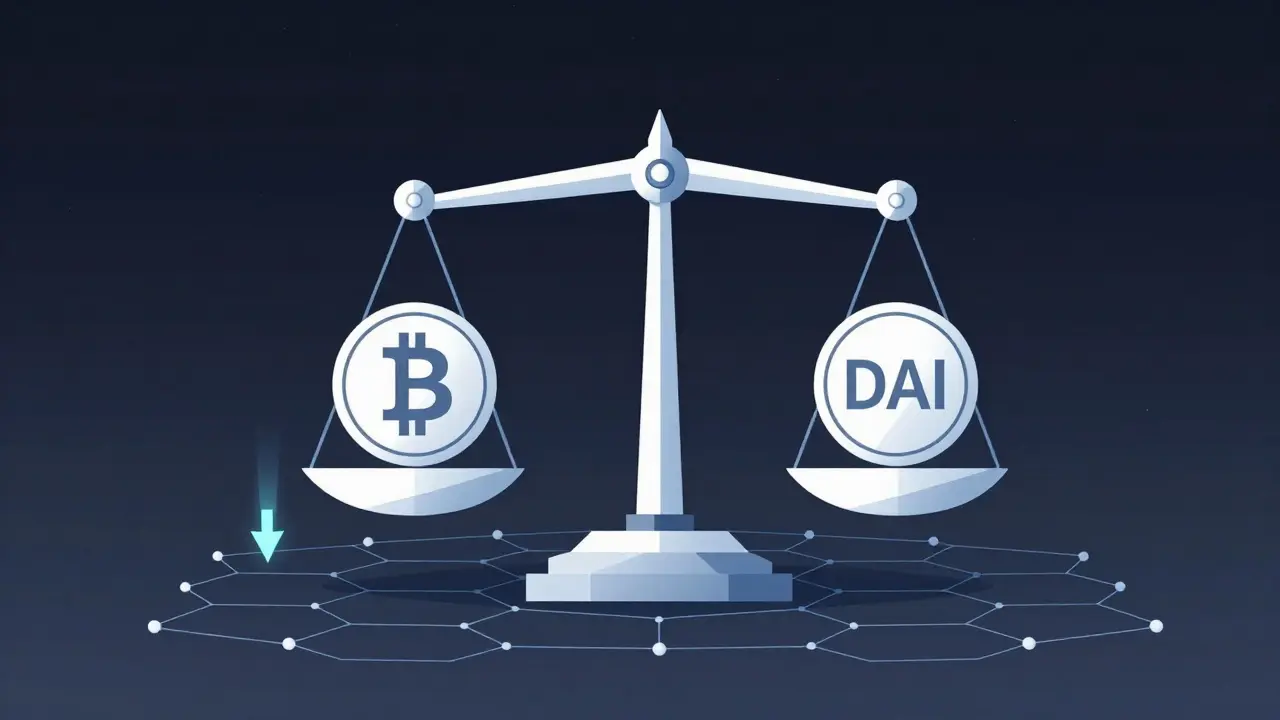
What is Ellipsis (EPX) Crypto Coin? A Clear Guide to the BNB Chain Stablecoin DEX Token
Ellipsis (EPX) is a decentralized exchange on BNB Chain built for low-slippage stablecoin swaps. Learn how it works, who uses it, why its token has low value, and whether it's worth your time in 2025.
learn more