e-CNY China: What It Is, How It Works, and Why It Matters
When you hear e-CNY China, the official digital version of China's currency issued by the People's Bank of China. Also known as the digital yuan, it's not a cryptocurrency—it's a state-controlled digital cash system designed to replace physical money in everyday transactions. Unlike Bitcoin or Ethereum, e-CNY isn’t decentralized. It’s tracked, monitored, and managed by the Chinese government, giving authorities full visibility into every transaction. This makes it the opposite of privacy coins like Monero, which are being banned globally for exactly the kind of anonymity that e-CNY eliminates.
e-CNY China works through mobile apps and smart cards linked to your real identity. You can send money to anyone with a digital wallet, even without an internet connection, using NFC. It’s already being tested in over 200 cities, used for everything from subway rides to grocery shopping. The government rolled it out partly to reduce reliance on private payment giants like Alipay and WeChat Pay, and partly to maintain control over financial flows as crypto use grows underground. This is why China’s crypto mining ban, the 2025 law that made all cryptocurrency mining illegal and the push for e-CNY go hand in hand—both are tools to centralize financial power.
What’s more, e-CNY China is shaping how other countries think about digital money. The European Union and the U.S. are watching closely, debating whether to follow suit with their own central bank digital currencies. But e-CNY isn’t just about money—it’s about control. It enables real-time surveillance, automated tax collection, and even restrictions on spending (like blocking purchases at certain stores or for certain goods). That’s why citizens in sanctioned countries, who rely on Bitcoin and stablecoins to bypass financial walls, see e-CNY as the opposite of freedom. It’s financial inclusion, yes—but only on the state’s terms.
And here’s the twist: while China banned crypto trading and mining, it’s quietly building a blockchain backbone for e-CNY that could one day support tokenized assets, smart contracts, and even government-issued NFTs. The technology behind it is advanced, but the purpose isn’t innovation—it’s authority. So when you see headlines about China cracking down on crypto, remember: they’re not killing digital money. They’re replacing it with something they can fully own.
Below, you’ll find real stories from people caught in this shift—how traders bypassed China’s crypto ban, why mining vanished overnight, and what happens when your money is no longer yours to hide.
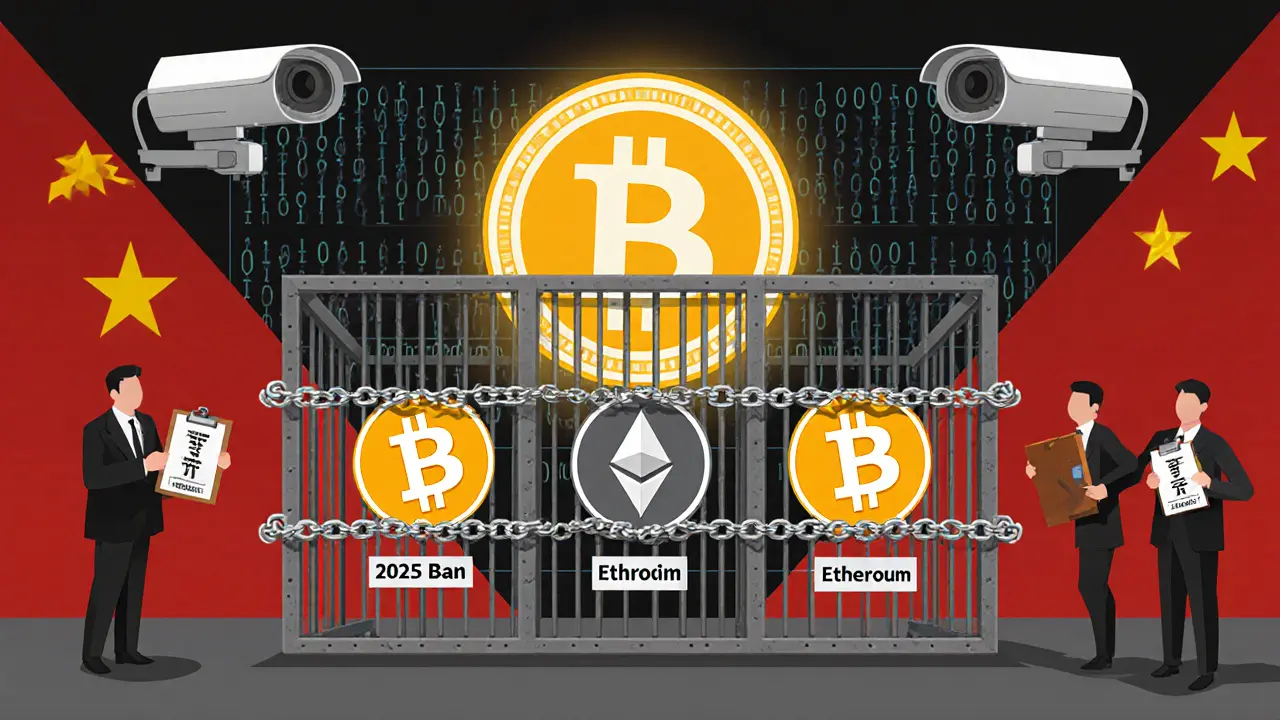
Is Crypto Regulated in China? The Full Ban Explained (2025)
As of 2025, China has banned all cryptocurrency activities-including owning, trading, and mining. The law is strict, enforcement is aggressive, and violations carry prison sentences. Here’s what you need to know.
learn more