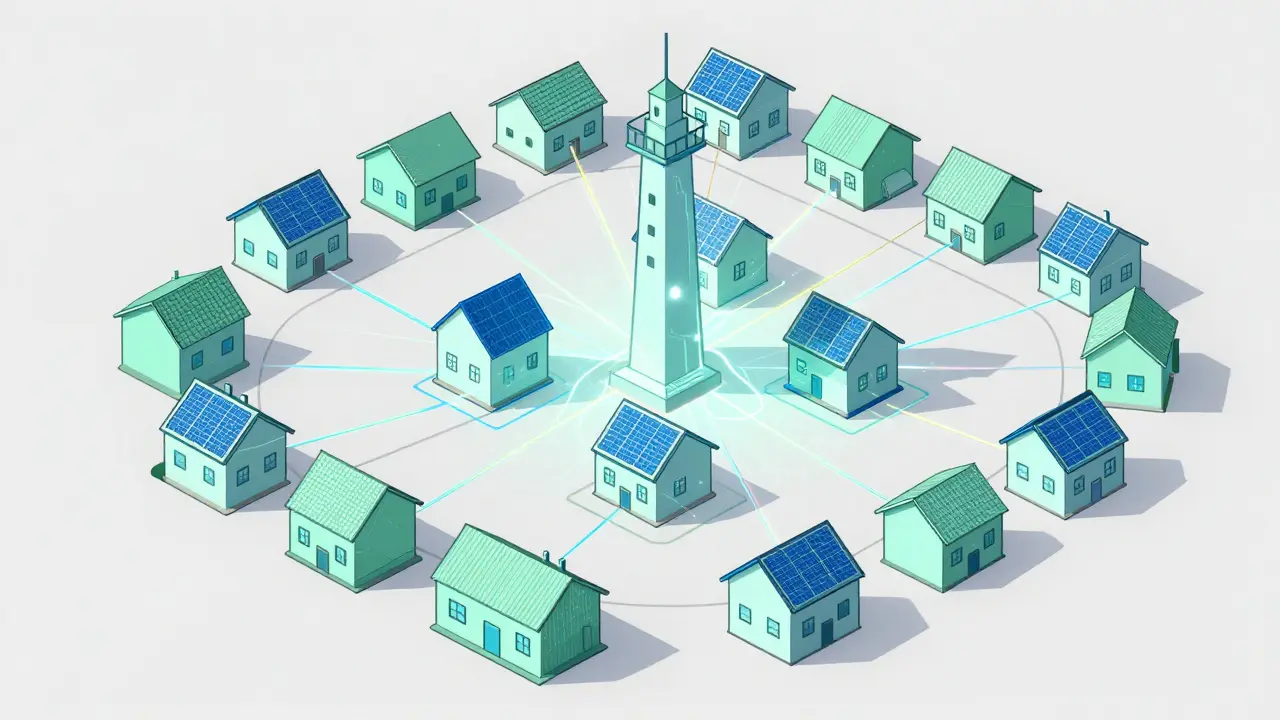
Smart Grid Management with Blockchain represents a shift in how we handle electricity distribution. It moves us away from central control rooms toward a network where devices talk directly to each other securely. By 2026, this integration has moved past theory. We are seeing live deployments where neighbors trade solar power without utility middlemen. This setup uses Distributed Ledger Technology (DLT) to record every kilowatt-hour exchanged. The goal isn't just accounting; it's about creating a resilient grid that heals itself.
The Basics of Decentralized Grid Architecture
To understand this, you first need to see how the old system works versus the new one. Traditional grids act like a pyramid. One big station pushes power out through layers of transformers until it hits your wall outlet. If something goes wrong at the top, the bottom suffers. A decentralized approach flips this. Instead of a boss telling everyone what to do, nodes agree on the state of the grid together.
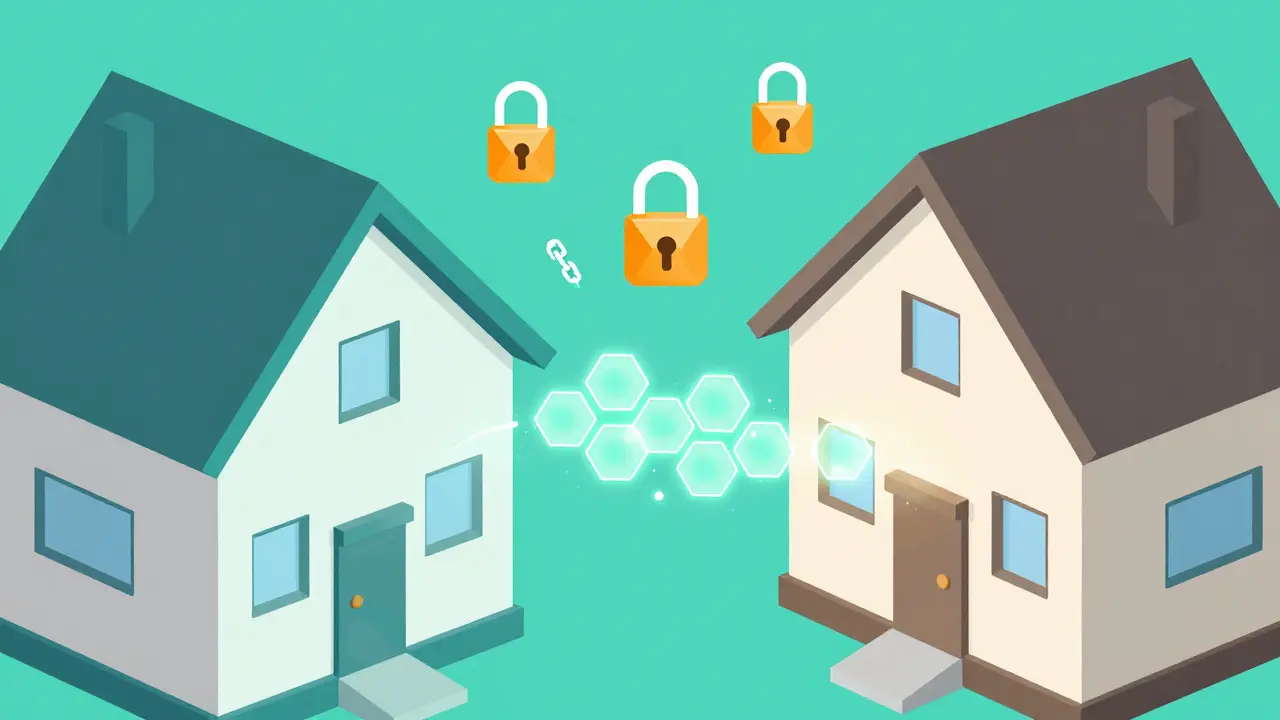
Imagine a neighborhood where every house has a solar panel and a battery. In the old world, excess power goes back to the main grid, and you get a small credit later. In a blockchain-enabled setup, your surplus could instantly power a neighbor's EV charging session. This happens through smart contracts-code that runs automatically when conditions are met. You don't need a bank or a utility clerk to sign off on the trade. The math verifies the deal.
This architecture relies heavily on Permissioned Blockchains systems where access is controlled by trusted participants . Unlike Bitcoin, which anyone can join, energy grids require specific identity verification. Utilities or local councils issue keys to users. This keeps data private while maintaining transparency. If a transaction is recorded, it stays there forever. No one can retroactively change the meter readings to hide theft or fraud.
Core Technologies Powering the Shift
You won't find public blockchains like Ethereum handling real-time grid load. They move too slowly. Industrial applications need speed. That's why tools like Hyperledger Fabric dominate the landscape. These platforms can process hundreds of transactions per second with near-instant confirmation.
| Platform | Consensus Method | Throughput (TPS) | Ideal For |
|---|---|---|---|
| Hyperledger Fabric | Practical Byzantine Fault Tolerance | 100-500 TPS | Utility settlements, B2B trading |
| Ethereum Enterprise | Istanbul/BFT Variants | 50-100 TPS | Retail consumer apps, tokenization |
| Corda | Validation Nodes | 200+ TPS | Legal agreements, compliance tracking |
Data privacy is another pillar. Most people don't want their exact usage habits visible to the whole world. Zero-knowledge proofs solve this. Think of it as proving you paid the bill without showing your balance sheet. The network knows the payment cleared, but no outsider can reverse-engineer your consumption patterns from the ledger. This feature has become mandatory for GDPR compliance in European implementations since late 2024.
Practical Use Cases for Homeowners and Utilities
There are three main areas where this tech delivers immediate value. First is peer-to-peer energy trading. Second is tracking green credentials. Third is securing IoT devices against hacks.
Trading Energy Like Digital Cash
In projects like Brooklyn Microgrid, software automates the sale of solar credits. When your roof generates more than you use, the smart contract looks for nearby buyers. This reduces strain on transmission lines because energy travels shorter distances. Lower transport loss means higher efficiency. In tests, settlement times dropped from weeks to minutes.
Verifying Green Credentials
Renewable Energy Certificates (RECs) track the "greenness" of your power. Before blockchain, double-counting was a huge issue. Two companies might claim the same carbon credit to look eco-friendly. On a shared ledger, every REC gets a unique digital ID. Once sold or used, its status updates instantly globally. This stops fraud and builds trust in corporate sustainability reports.
Securing the Edge
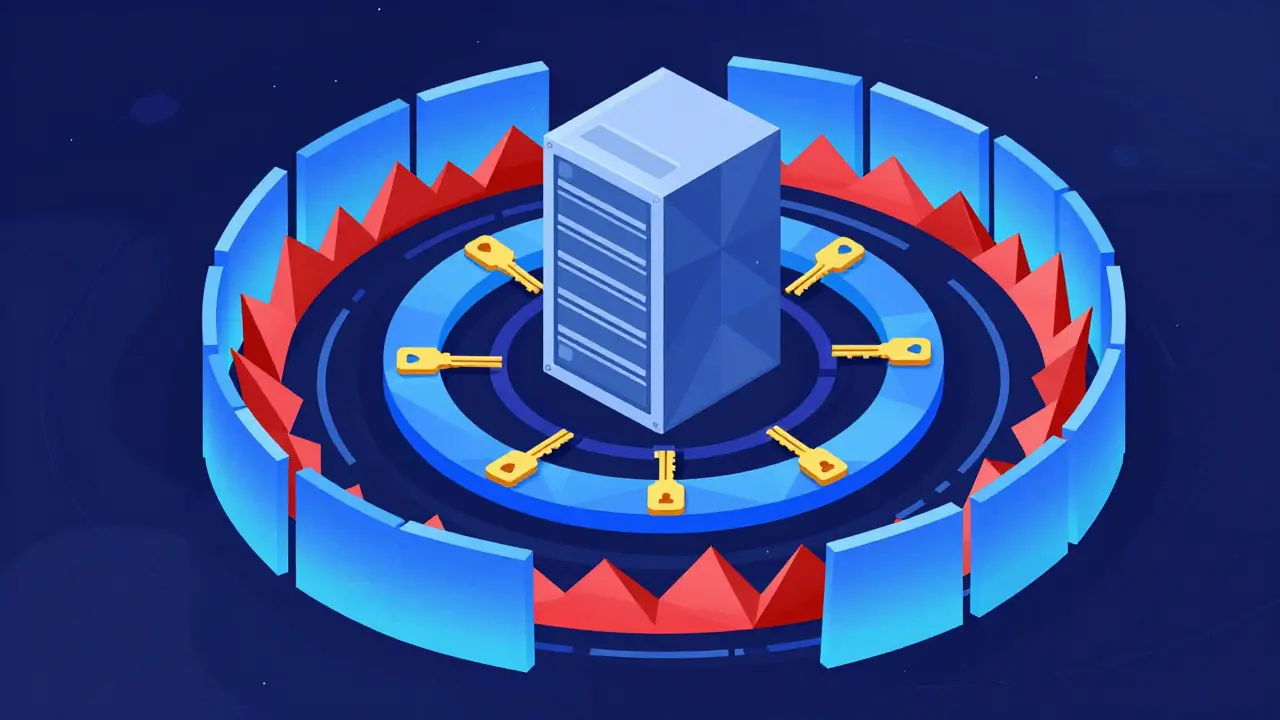
Smart meters connect to the internet. Hackers love these entry points. A permissioned ledger acts as a firewall for critical commands. To command a transformer to shut down, multiple authorities must digitally sign the request. If someone intercepts the signal, the ledger rejects it because the signatures don't match. This layered security drastically lowers the risk of large-scale blackouts caused by cyberattacks.
Performance Benchmarks and Limitations
It's crucial to know where the tech fails. Physical physics beats crypto sometimes. Grid frequency needs constant regulation. If the voltage dips, stabilizers react in milliseconds. Blockchain blocks take seconds. It cannot manage sub-second stability control. We still need traditional SCADA systems for those heavy lifts.
Latency is the biggest bottleneck. Adding cryptographic overhead introduces delays of 15 to 25 milliseconds per transaction. For billing, that's fine. For switching high-voltage breakers, that's dangerous. The industry consensus is using hybrid models. Fast analog systems keep the lights on, while the ledger handles the money and administrative logic in the background.
Storage costs matter too. Recording every meter reading permanently takes space. A single utility serving a million customers could generate terabytes of new data annually. Solutions involve archiving older data to cold storage while keeping recent active ledgers on faster drives.
Global Implementation Status as of 2026
We are seeing a maturation of pilots into live networks. In early 2024, the EU established regulations under MiCA for digital assets, including energy tokens. This cleared the legal fog for many startups. Utilities in Germany and Switzerland now routinely use blockchain for balancing markets.
However, adoption varies wildly by region. Europe leads due to regulatory pressure and a fragmented generation mix requiring complex coordination. North American projects tend to focus on customer portals rather than core infrastructure management. Many utilities treat it as an experiment, fearing the cost of migration.
The skill gap remains a hurdle. You need engineers who understand both electrical engineering and cryptography. There aren't enough professionals with this dual expertise yet. Training programs started ramping up in 2023, and certification numbers have tripled, but demand still outstrips supply.
Can blockchain replace existing grid controllers?
No, it cannot replace operational controllers like SCADA systems. The latency of blockchain makes it unsuitable for sub-second physical grid stability. It works best as a parallel layer for financial and administrative tasks.
Is peer-to-peer energy trading legal everywhere?
Legality depends on local utility laws. In some regions, third-party retailing is restricted. Recent reforms in the EU and parts of the US are opening markets, but always check local FERC or Ofgem regulations before launching.
How does this help reduce carbon emissions?
By allowing local renewables to sell directly to consumers, it incentivizes green generation over coal or gas. Transparent tracking also ensures corporations actually buy verified renewable certificates instead of fake ones.
What hardware is needed for smart home participation?
You generally need a certified smart meter capable of two-way communication and a gateway device that holds the digital wallet keys. Most modern installations come pre-equipped for blockchain protocols.
Who manages the ledger if there is no central authority?
A consortium usually manages it. This involves a group of trusted entities like regional utilities, regulators, and grid operators validating transactions together. It is not fully public like Bitcoin, ensuring accountability.
Sean Carr
March 30, 2026 AT 06:22Honestly the Hyperledger Fabric part is what matters most here. You cannot run real-time stability on Ethereum because the speed is just too slow for safety critical systems. Most utilities are looking at permissioned chains where they control who gets access keys. It makes sense to keep the financial layer separate from the physical grid control. We still need SCADA for the immediate voltage adjustments during storms or failures. The blockchain handles the billing and the settlement logic instead. This hybrid approach seems like the only way forward for large scale implementation. People forget that electricity moves in physics not math sometimes.
Katrina Tate
March 31, 2026 AT 21:36This assumes everyone agrees on the infrastructure costs involved. Many regions lack the capital to upgrade their legacy metering hardware entirely. Security claims often ignore the human factor when dealing with private key management. If a consumer loses their wallet credentials the system locks them out completely. It sounds nice until you try to debug why a transformer tripped offline. Corporate sustainability reports often hide these backend complexities intentionally. The green credentials verification helps stop fraud on paper mostly.
Matt Bridger
April 2, 2026 AT 12:07The concept is theoretically sound yet practically naive regarding current economic incentives utilities prefer centralized control because decentralization introduces liability risks that are hard to quantify permissioned ledgers essentially mimic existing databases with extra cryptographic overhead we need to understand the regulatory burden before deploying such complex systems globally latency issues described here are barely scratched surface of real operational hurdles
Joy Crawford
April 4, 2026 AT 08:37omg this sounds so scary what if my power goes out cause of code error 😨 i dont trust computers with my lights honestly its risky business 🙄 also the prices might go up for everyone involved :((
Addy Stearns
April 5, 2026 AT 04:58Consider the fundamental nature of energy distribution as a shared resource rather than a commodity. When we shift toward decentralized architectures we are fundamentally altering the social contract of utility provision. The historical model relies on hierarchical structures that prioritize efficiency over individual agency within the network. Blockchain introduces a layer of immutable trust that was previously impossible to achieve without intermediaries. This transparency allows neighbors to interact directly without the need for central clearing houses to validate transactions. However the technology is merely a tool and does not solve underlying infrastructure decay issues naturally. We see examples in Brooklyn where solar credits move freely between homes efficiently. Yet the scaling challenges remain significant when applying this to national grid levels. The permissioned nature ensures that malicious actors cannot easily infiltrate the consensus mechanism. Identity verification becomes paramount to prevent identity theft through digital wallet exploits. Zero-knowledge proofs offer privacy but add computational load that must be optimized. Regulatory frameworks like MiCA provide necessary guardrails for market participation rules. Without these laws investors hesitate to commit capital to experimental pilot projects. Education programs must ramp up to fill the skills gap in crypto engineering roles. Training engineers in both electrical and software domains is currently lagging behind demand. We risk creating two tiers of professionals who speak different technical languages entirely. Ultimately success depends on bridging these gaps effectively for society to benefit.
Shaira Vargas
April 7, 2026 AT 00:23But what happens when the servers crash and nobody can buy or sell power. It feels like putting your eggs in one fragile digital basket without a backup plan ready. My neighbor tried selling credits last year and ended up losing money because of fees alone. Everyone talks about saving the planet but ignores the stress of managing your own battery bank. The whole idea sounds like a glitch waiting to happen during a heatwave crisis.
Beverly Menezes
April 8, 2026 AT 22:55I think it is really good that we can trade power locally without big companies watching us.
Ronald Siggy
April 9, 2026 AT 13:59That is a solid perspective on maintaining privacy while enabling local trades. We need strong governance models to keep those networks safe from bad actors though. Community engagement plays a huge role in making these microgrids successful eventually. Do not let technical jargon scare people away from the potential benefits either.
Lisa Miller
April 11, 2026 AT 07:30I am feeling very hopeful about the future of renewable energy with these new tools. Small steps like peer-to-peer trading build momentum for bigger climate goals quickly. It empowers regular households to become active participants in the grid economy. Keep pushing for better adoption rates in North America specifically too.
Michael Nadeau
April 12, 2026 AT 07:19There is much nuance required when discussing the intersection of finance and physical infrastructure. Trust mechanisms evolve slowly compared to the rapid pace of technological innovation available today. We must ensure that the digital ledger remains resilient against physical grid shocks too. Patience will be required as standards mature over the coming years ahead.
Samson Abraham
April 12, 2026 AT 15:25The regulation landscape in Europe seems more advanced than domestic implementations currently. Compliance tracking via validation nodes is a necessary evolution for legal certainty. Data archiving strategies should be prioritized to manage storage costs effectively. Transitioning legacy systems requires careful planning and significant budget allocation.