Imagine handing your life savings to a bank that claims it’s fully licensed but can’t show you the paperwork. That is essentially the current vibe surrounding Odee. As we sit here in September 2026, the cryptocurrency landscape has matured significantly thanks to regulations like MiCA in Europe, yet questions about platform legitimacy remain sharp for newcomers and cautious investors alike. If you are considering using this European-based platform, you need to look past the marketing gloss and scrutinize the hard facts.
This review cuts through the noise. We aren't just listing features; we are investigating whether Odee lives up to its promise of being a "regulated Virtual Asset Service Provider" (VASP). For many users, the allure of a simplified, compliance-focused exchange is strong, especially when compared to the overwhelming complexity of giants like Binance or Coinbase. But does simplicity come at the cost of security or transparency? Let’s break down what you actually get, what you don’t, and where the potential pitfalls lie.
The Core Proposition: Simplicity Over Choice
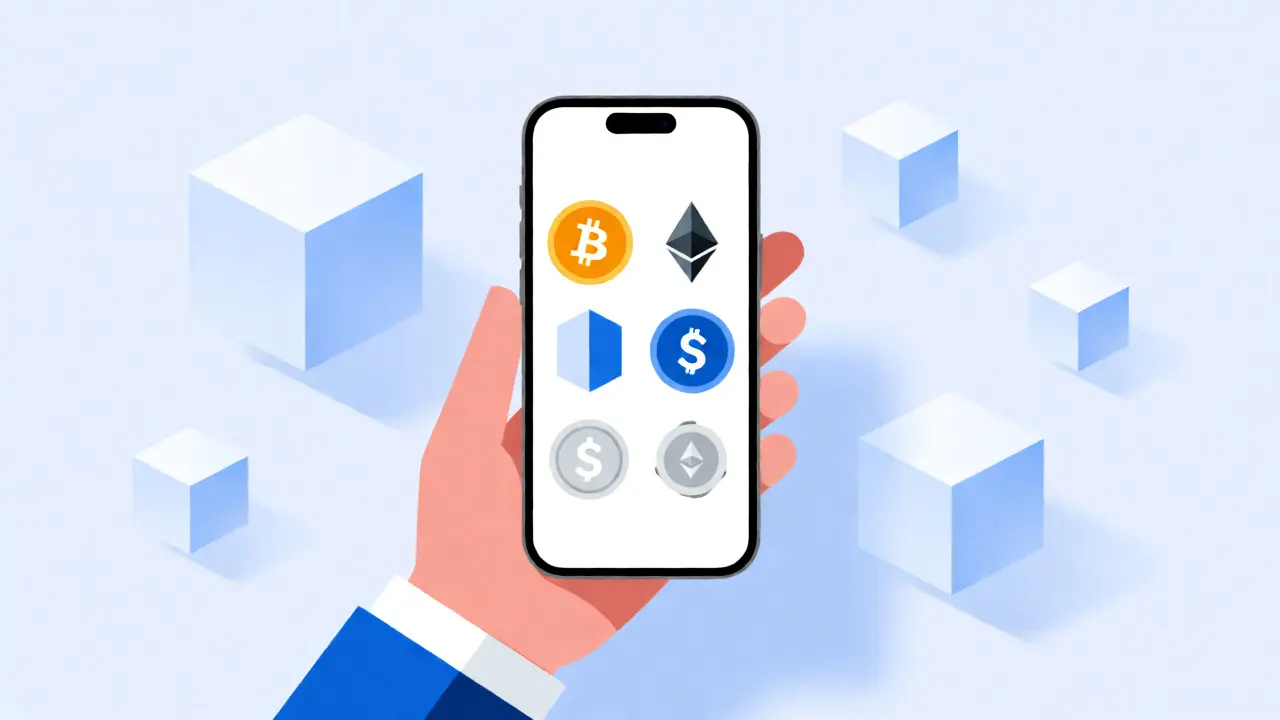
Odee positions itself differently from the typical crypto super-app. Instead of offering thousands of trading pairs, it focuses on a curated selection of seven digital assets. This approach targets beginners who might feel paralyzed by choice. The supported assets include the heavy hitters: Bitcoin (BTC) and Ethereum (ETH), alongside a suite of stablecoins like Tether (USDT), USD Coin (USDC), and Binance USD (BUSD).
What makes Odee unique is its proprietary stablecoin, USDV, and the decentralized Dai (DAI). The logic here is straightforward: if you only want to buy, hold, and sell major cryptocurrencies without getting lost in meme coins or obscure altcoins, Odee keeps things clean. However, this limited selection is a double-edged sword. While it reduces decision fatigue, it also means you cannot diversify into emerging sectors like AI tokens or Layer-2 solutions directly on the platform. You would need another exchange for that.
The Regulatory Red Flag: Claims vs. Reality
Here is where things get tricky. Odee Digital Sp zoo markets itself as a "fully regulated VASP licensed fintech company in Europe." In the post-MiCA era, this claim carries significant weight. A VASP license implies adherence to strict Anti-Money Laundering (AML) and Know Your Customer (KYC) standards, which should theoretically protect your funds and ensure legal recourse.
However, independent assessments and some regulatory databases suggest a conflicting narrative. There are reports indicating that Odee may not currently be regulated by any specific financial authority in the way established banks are. This discrepancy creates uncertainty. When an exchange claims regulation but lacks verifiable public licensing details, it raises red flags. Security experts consistently emphasize that legitimate exchanges provide clear, clickable links to their license numbers on official regulator websites. Without this transparency, you are relying on trust rather than verified fact.
| Feature | Odee Exchange | Coinbase/Binance |
|---|---|---|
| Asset Selection | 7 Assets (BTC, ETH, Stablecoins) | 100+ to 350+ Assets |
| Regulatory Status | Claims VASP License (Unverified) | Fully Regulated in Multiple Jurisdictions |
| User Reviews | Limited Data Available | Millions of Verified Reviews |
| Unique Feature | OdeePay Card & USDV Token | DeFi Integration, NFTs, Derivatives |
| Target Audience | Beginners / Compliance-Focused | All Levels / Institutional |

Security and User Experience
If the regulatory status is murky, what about the day-to-day experience? Odee integrates KYC/KYT (Know Your Transaction) verification heavily during onboarding. You will need to submit identification documents and proof of address before you can trade. This process uses "advanced verification technology," which sounds promising, but actual user feedback on speed and success rates is sparse. Unlike major platforms where you can find thousands of Reddit threads complaining about slow approvals, Odee has a minimal footprint on community forums.
This lack of data is concerning. How do you know if customer support responds quickly? How reliable is the withdrawal process? Without substantial user reviews on Trustpilot or G2, you are essentially testing the waters yourself. The platform offers standard security measures like two-factor authentication (2FA) and SSL encryption, which are baseline expectations, not differentiators. There is little mention of cold storage ratios or third-party security audits, both of which are critical for assessing risk in a crypto exchange.
The OdeePay Card Ecosystem
One standout feature is the OdeePay card. This payment solution allows users to lock and unlock funds, adding a layer of control over spending. For users who want to spend crypto like fiat currency, this integration is valuable. It suggests that Odee aims to be more than just a trading venue; it wants to be a financial utility.
However, details on fees, geographic availability, and acceptance rates for the OdeePay card are scarce. If you live in Bristol, UK, or elsewhere in Europe, you need to verify if the card works seamlessly with local merchants. Often, proprietary cards come with hidden conversion fees or limited merchant networks. Until these specifics are clearer, treat the card as a beta feature rather than a primary banking tool.
Who Should Use Odee?
Given the limited asset list and regulatory ambiguity, Odee isn't for everyone. It is best suited for:
- Absolute Beginners: Who want a simple interface to buy Bitcoin and Ethereum without navigating complex order books.
- Compliance-Conscious Users: Who prefer a platform that emphasizes KYC/AML processes, assuming they accept the risk of unverified licensing.
- Stablecoin Holders: Who want to park cash in USDT, USDC, or USDV within a single ecosystem.
Conversely, active traders, DeFi enthusiasts, and those seeking maximum asset diversity should look elsewhere. The opportunity cost of holding only seven assets on Odee is high compared to broader markets.
Final Verdict: Proceed with Caution
Odee presents an interesting case study in the modern crypto market. It tries to bridge the gap between traditional finance compliance and cryptocurrency accessibility. The inclusion of the OdeePay card and a focused asset list shows a clear vision. Yet, the unresolved question of its regulatory standing remains the elephant in the room.
In 2026, with MiCA enforcement tightening across Europe, exchanges must prove their licenses clearly. Until Odee provides verifiable proof of its VASP status and builds a larger community track record, it carries higher risk than established competitors. If you decide to try it, start with a small amount. Test the deposit, withdrawal, and customer support channels thoroughly before committing significant capital.
Is Odee crypto exchange safe?
Safety is relative. While Odee implements standard security protocols like 2FA and SSL, its regulatory status is disputed. Some sources claim it is a licensed VASP, while others indicate it lacks formal regulation. This uncertainty increases risk compared to fully regulated exchanges like Coinbase or Kraken.
How many cryptocurrencies does Odee support?
Odee supports a limited selection of seven digital assets. These include Bitcoin (BTC), Ethereum (ETH), Tether (USDT), USD Coin (USDC), Binance USD (BUSD), Dai (DAI), and its proprietary stablecoin, USDV.
Does Odee require KYC verification?
Yes, Odee enforces mandatory KYC (Know Your Customer) and KYT (Know Your Transaction) checks. Users must submit identification documents and proof of address during onboarding to comply with Anti-Money Laundering regulations.
What is the OdeePay card?
The OdeePay card is an integrated payment solution that allows users to spend their crypto holdings. It features lock/unlock functionality for enhanced fund security, though specific fee structures and merchant acceptance rates require further clarification from the provider.
Why is there limited information about Odee?
Odee appears to have a smaller user base and recent market entry compared to major global exchanges. Consequently, there is less community discussion on platforms like Reddit or Trustpilot, making it harder to gauge real-world user satisfaction and technical reliability.