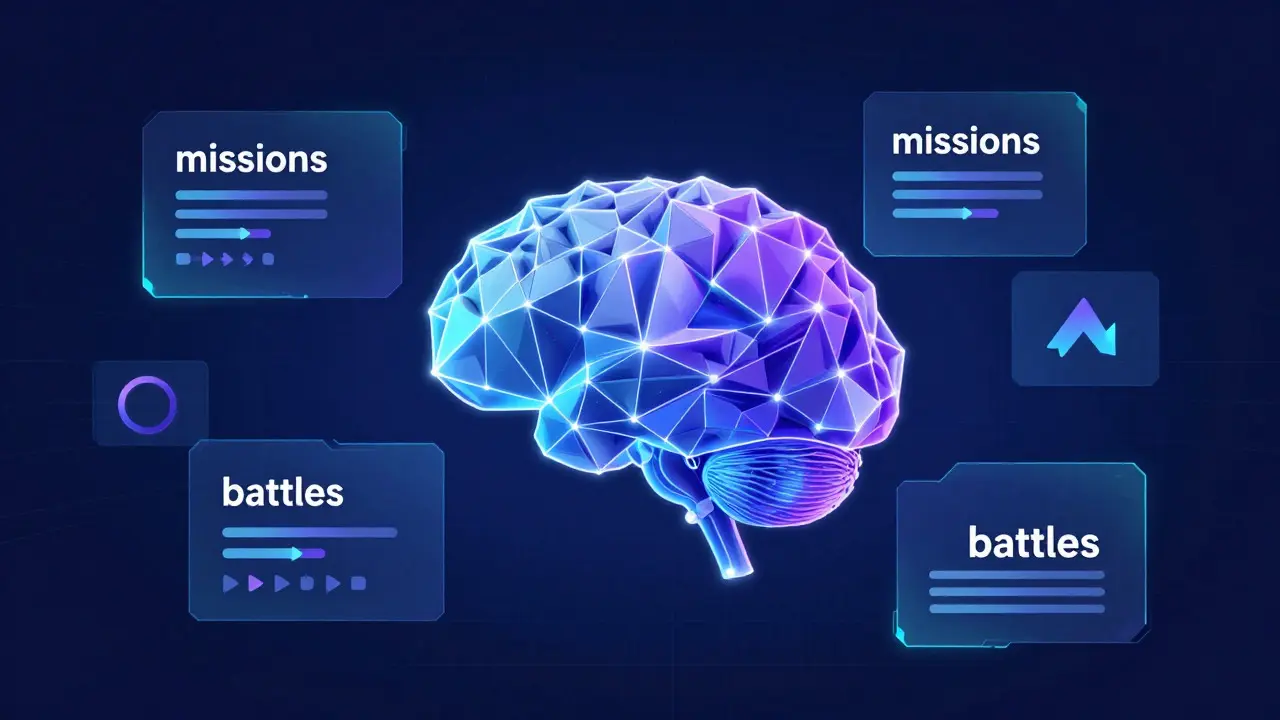
Most people searching for a "crypto exchange" expect to find a place where they can buy Bitcoin or Ethereum quickly. But MIND Games is not quite that. It is actually a Play-and-Earn gaming ecosystem called CORTEX that has a decentralized exchange (DEX) built right into its gameplay. If you are looking for a standard trading platform with hundreds of coins and bank transfers, you might be in the wrong place. However, if you are curious about how DeFi instruments integrated into real-time strategy games create unique economic loops, this project is worth your attention.
The core confusion stems from the name. While it operates like an exchange for its internal assets, its primary goal is entertainment with financial rewards. The platform uses two main tokens: Cortex (CRX) for governance and AUR for in-game rewards. Understanding this distinction is crucial before you decide whether to invest time or money here.
What Exactly Is MIND Games CORTEX?
MIND Games CORTEX is a comprehensive gaming ecosystem that blends immersive real-time strategy gameplay with decentralized finance tools. The philosophy behind the project is simple: "a mind can change everything." They want to prove that thinking strategically in a game can have tangible financial value.
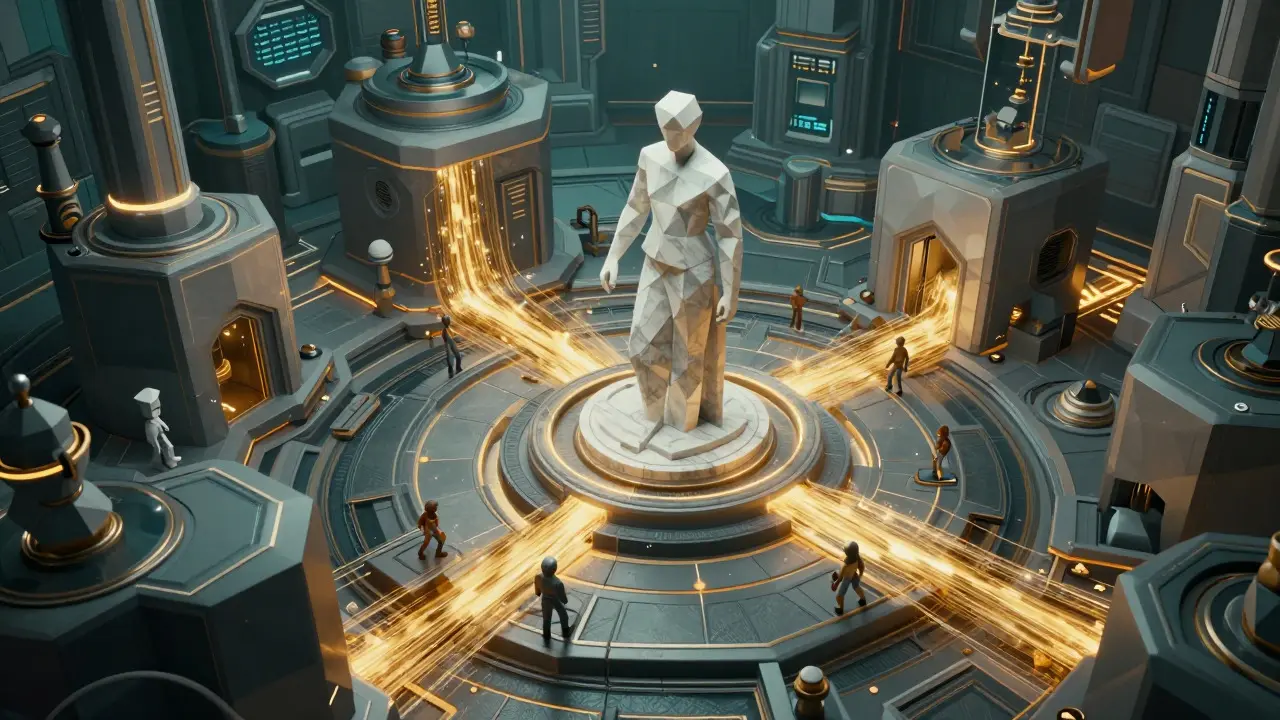
Unlike traditional exchanges that just match buyers and sellers, CORTEX wraps financial actions in game mechanics. You don't just "stake" tokens; you use them in a "Research Facility." You don't just "provide liquidity"; you interact with "Piero's Statue." This makes the platform feel more like a video game with a wallet than a banking app with a casino.
- Gaming First: The interface is designed around missions, battles, and talent development, not order books.
- Integrated DeFi: Staking and liquidity provision are part of the game progression.
- NFT Integration: Usable NFTs play a role in gameplay and asset management.
How the Dual-Token Economy Works
To understand the value proposition, you need to look at the two tokens driving the system. The architecture relies on a dual-token model which is common in successful gaming economies but rare in pure exchange platforms.
| Feature | Cortex (CRX) | AUR Token | Traditional Exchange Coins |
|---|---|---|---|
| Primary Function | Governance & Staking | In-game Rewards | Trading & Store of Value |
| Total Supply | 1.68 Million | Dynamic (Game-based) | Varies (e.g., BTC 21M) |
| Circulating Supply | 0 (Pre-launch) | Not Publicly Listed | Fully Circulating |
| User Interaction | Research Facility / Liquidity | Earned via Missions/Battles | Buy/Sell/Transfer |
Note the circulating supply of CRX is currently listed as zero. This indicates the project is in a pre-launch or early development phase. You cannot easily buy CRX on major centralized exchanges like Binance or Kraken yet. Instead, access is likely tied to early adoption, testnets, or private sales. This is a significant risk factor for new users who expect immediate liquidity.

Key Features: Research Facility and Piero's Statue
The platform doesn't just offer a generic DEX. It gamifies specific DeFi mechanisms. Here is how the two most prominent features work in practice.
The Research Facility acts as a staking mechanism. Players deposit their Cortex (CRX) tokens here. In a traditional setting, you would call this staking for yield. In CORTEX, it contributes to the platform's economic stability while providing passive earnings. Think of it as investing in the game's infrastructure to earn a share of the rewards.
Piero's Statue functions as a liquidity provision system. Users provide liquidity to pairs within the game economy and receive CRX tokens in return. This creates a decentralized market-making system. Unlike Uniswap, where you might provide ETH/USDC liquidity, here you are supporting the flow of in-game assets and external cryptocurrencies through the built-in DEX.
These features require you to understand basic DeFi concepts. If you are new to crypto, the jargon might feel heavy. However, the game interface aims to simplify these complex operations into visual, interactive elements rather than abstract charts.
MIND Games vs. Traditional Exchanges
Why choose a gaming platform over a giant like Gemini or OKX? The answer lies in your goals. If you want to trade 350+ cryptocurrencies with low fees and high security certifications, stick with traditional exchanges. They offer cold storage security, KYC compliance, and established fee structures ranging from 0% to 3.99%.
MIND Games takes a different approach. It is similar to how OKX expanded beyond trading to include NFTs and games, but CORTEX puts the game first. The exchange functionality serves the game, not the other way around. This means:
- Limited Asset Selection: You aren't trading Bitcoin against Dogecoin here. You are interacting with CRX, AUR, and specific in-game assets.
- Higher Complexity: You must learn game mechanics AND DeFi rules. Traditional exchanges have straightforward "Buy/Sell" buttons. CORTEX requires you to complete missions or manage talents to unlock full economic potential.
- Regulatory Uncertainty: Established exchanges like Gemini have SOC 1 & 2 certifications and clear regulatory standing. Gaming-DeFi hybrids operate in a gray area, offering more innovation but less legal clarity.
Risks and Current Status
Because the circulating supply of CRX is zero, user feedback is scarce. Most reviews you find online will be speculative or based on whitepaper promises rather than lived experience. This is typical for projects in the pre-launch phase.
The main risks include:
- Adoption Risk: Will enough players join to make the economy sustainable? Without volume, the DEX becomes illiquid.
- Gameplay Quality: Does the real-time strategy game actually hold your interest? If the game is boring, the financial incentives won't save it.
- Technical Execution: Integrating DeFi into a game client is technically difficult. Bugs could lead to lost funds or unfair advantages.
Security is also a concern. While top exchanges keep 95% of funds in multi-signature cold wallets, gaming platforms often handle assets differently. You need to trust that the developers will maintain robust security for both your investments and your in-game progress.
Who Should Use MIND Games CORTEX?
This platform is not for everyone. It is best suited for:
- DeFi Enthusiasts: Those who want to experiment with new ways to stake and provide liquidity outside of standard protocols.
- Strategy Gamers: Players who enjoy real-time strategy games and want a layer of financial reward.
- Early Adopters: Investors willing to take on higher risk for potentially higher rewards in a new ecosystem.
If you are a casual trader who just wants to buy some crypto and hold it, MIND Games is probably too complex and risky. Stick to established exchanges until the CORTEX ecosystem matures and proves its stability.
Is MIND Games a legitimate crypto exchange?
It is technically a decentralized exchange (DEX) integrated into a gaming platform. It is not a centralized exchange (CEX) like Binance or Coinbase. Its legitimacy depends on the success of the underlying game and the adoption of the CRX token.
Can I buy Cortex (CRX) on Binance or Coinbase?
Currently, no. The circulating supply is listed as zero, suggesting the token is not yet widely available on major centralized exchanges. Access may be through private sales, testnets, or direct purchase from the project team once launch occurs.
What is the difference between CRX and AUR tokens?
CRX (Cortex) is the governance token used for staking and liquidity provision. AUR is the in-game reward token earned through gameplay. CRX has a fixed total supply of 1.68 million, while AUR is generated dynamically by the game economy.
How secure is MIND Games CORTEX?
Security details are limited due to the project's early stage. Traditional exchanges use multi-signature cold wallets and advanced encryption. As a DeFi gaming platform, CORTEX likely relies on smart contract security. Users should audit contracts themselves or wait for third-party audits before committing large amounts of capital.
Is MIND Games suitable for beginners?
Probably not. The platform requires understanding both game mechanics and DeFi concepts like staking and liquidity provision. Beginners might find the learning curve steep compared to simple buy/sell interfaces of traditional exchanges.