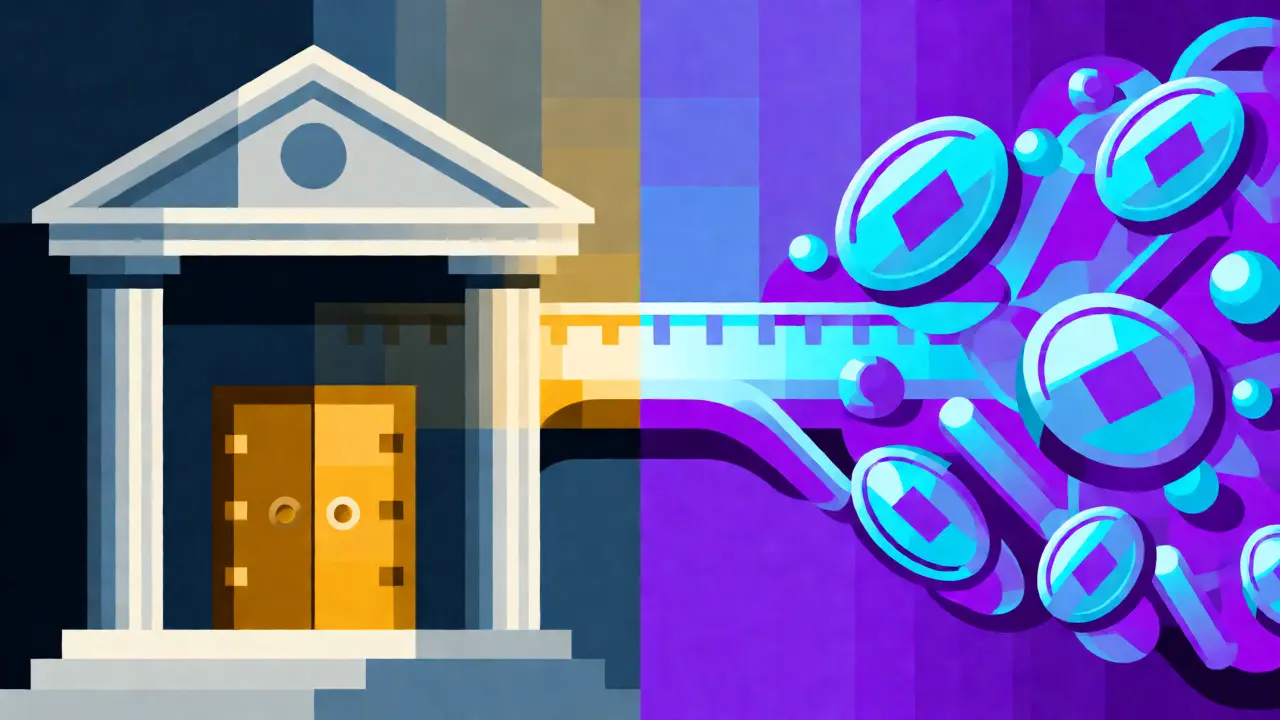
Imagine trying to buy a slice of a private equity fund or a tokenized real estate asset on the same app you use to trade Bitcoin. For most people, that’s impossible. But for a specific niche of investors in the United States, INX Digital is a fully regulated digital asset trading platform that bridges traditional finance and cryptocurrency through SEC-compliant security token trading. If you are tired of wondering whether your favorite altcoin might suddenly be deemed an unregistered security, this platform might be exactly what you’ve been looking for. But does its strict regulatory framework come at too high a cost for the average trader?
This isn’t just another crypto exchange review. We’re digging into a platform that was built from the ground up to satisfy the Securities and Exchange Commission (SEC), not just the crypto community. That distinction matters, especially if you live in the U.S. and want to sleep well at night knowing your assets aren’t sitting in a legal gray area. Let’s break down what INX actually offers, where it falls short, and who should actually bother signing up.
The Regulatory Moat: Why Compliance Matters Here
Most major exchanges like Binance or Coinbase operate in a complex web of regulations. They often launch new features first and ask questions later. INX takes the opposite approach. It operates as a registered broker-dealer and alternative trading system (ATS) under FINRA and SEC oversight. This isn’t a marketing gimmick; it’s the core of their business model.
Why does this matter to you? Because it means security tokens-digital representations of traditional securities like stocks, bonds, or funds-are legally tradable here. While other platforms hesitate to list tokens that might fall under securities laws, INX has already done the heavy lifting with regulators. Their parent company, INX Limited, even completed an $85 million IPO on NYSE American in 2020, making them the first blockchain company to do so on a traditional stock exchange. That level of institutional backing signals stability that many offshore exchanges simply can’t match.
What Can You Actually Trade?
Here is where things get tricky. If you are hoping to find every obscure meme coin or the latest DeFi protocol token, you will be disappointed. As of late 2025, INX supports over 20 cryptocurrencies. This includes the big names like Bitcoin (BTC), Ethereum (ETH), and Solana (SOL), along with others like Ripple (XRP), Litecoin (LTC), and Avalanche (AVAX).
But the real draw isn’t just the coins. It’s the tokenized securities. These are SEC-registered tokens representing real-world assets. Think of it as buying a share of a private company or a fraction of a commercial building without needing a lawyer and six months of paperwork. The platform allows 24/7 trading of these assets, which is a massive advantage over traditional markets that close on weekends.
| Feature | INX Digital | Coinbase | Kraken |
|---|---|---|---|
| Regulatory Status | FINRA/SEC Registered ATS | Publicly Traded, State Licenses | State Licenses, Global Reach |
| Security Tokens | Core Focus (SEC-Registered) | Limited/Experimental | Limited Availability |
| Crypto Selection | ~20 Major Assets | 200+ Assets | 200+ Assets |
| Advanced Trading | No Margin/Futures | Futures Available (US) | Futures/Margin Available |
| Target Audience | US Investors & Institutions | General Retail & Pro | Global Retail & Pro |
The User Experience: Clean but Constrained
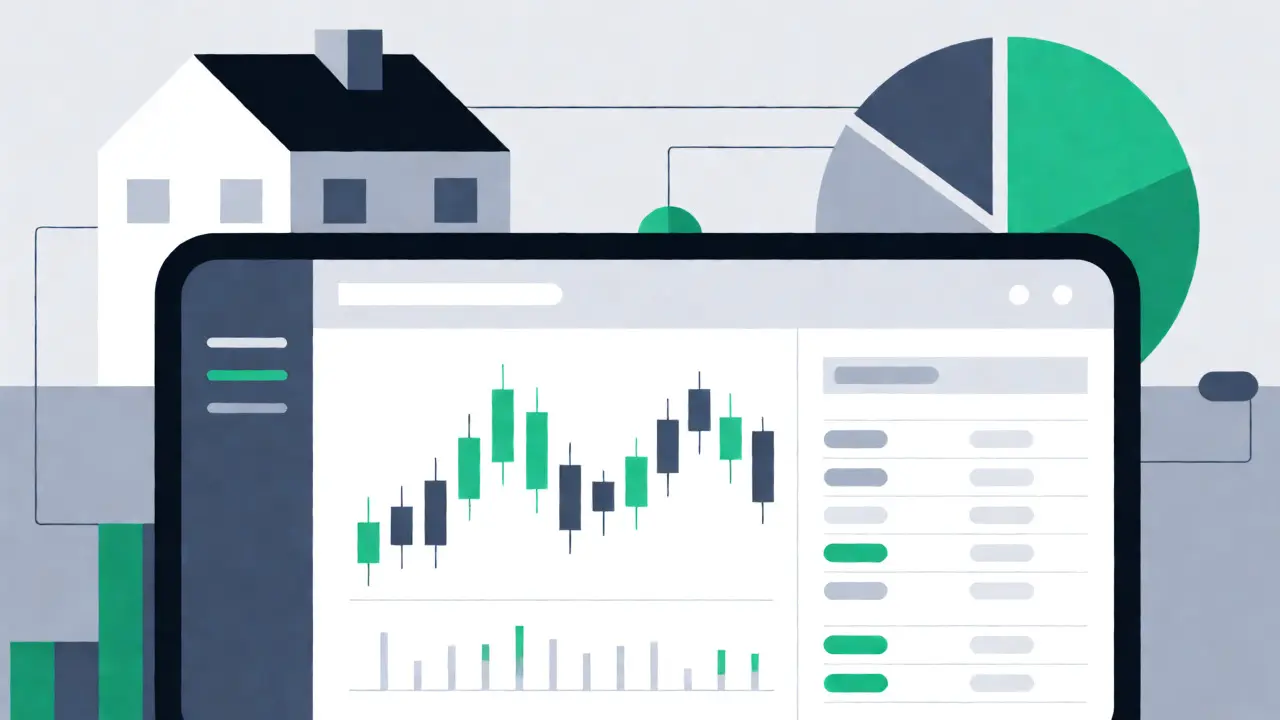
Navigating INX feels less like using a chaotic crypto dashboard and more like logging into a traditional brokerage account. The interface is clean, intuitive, and integrates TradingView charts, which is a huge plus for anyone who relies on technical analysis. You have access to limit, market, stop-limit, and stop-market orders, giving you decent control over your entries and exits.
However, don’t expect the bells and whistles of a pro-trading desk. There is no margin trading, no leverage, and no perpetual futures contracts. For day traders who thrive on volatility and leveraged positions, this is a dealbreaker. The platform is designed for holding and strategic accumulation rather than high-frequency speculation. Mobile apps are available for both iOS and Android, with ratings hovering around 4.1 to 4.6 stars, indicating that the basic functionality works smoothly, even if the feature set is limited.
Fees and Liquidity: The Hidden Costs
Let’s talk about money. Because INX operates under stricter regulatory requirements, their fees tend to be higher than competitors who operate in looser jurisdictions. While exact percentages can vary based on volume, you generally pay a premium for the safety and compliance they offer. If you are moving small amounts frequently, those fees eat into your profits quickly.
Liquidity is another pain point. With only about 20 supported cryptocurrencies and a focus on U.S.-based users, trading volumes are significantly lower than on giants like Binance or Coinbase. This means wider bid-ask spreads. If you try to execute a large order, you might move the price against yourself. It’s not a problem for casual buyers, but it’s something serious investors need to calculate before dumping a significant sum into the platform.
Who Should Use INX Digital?
You should consider INX if you fit one of these profiles:
- The Compliance-Conscious Investor: You live in the U.S. and worry about the SEC cracking down on your holdings. You want peace of mind.
- The Security Token Enthusiast: You are interested in tokenized real-world assets (RWAs) like private equity, debt instruments, or real estate.
- The Long-Term Holder: You buy and hold major cryptocurrencies and don’t care about leverage or exotic altcoins.
You should probably skip INX if:
- You Are a Day Trader: You need low fees, high liquidity, and advanced tools like futures or margin.
- You Hunt for Gems: You want to buy the next 100x micro-cap coin before it hits major exchanges.
- You Live Outside the U.S.: While accessible globally, the platform’s primary value proposition is tied to U.S. regulation, and international support is limited compared to global exchanges.
The Future of Tokenization
The broader market context favors INX. The sector of Real-World Asset (RWA) tokenization is exploding. Analysts predict this market could reach trillions of dollars within the next decade. Currently valued at billions, the growth rate is steady. Platforms like INX are positioned as pioneers because they have already solved the hardest part: regulatory acceptance. Partnerships with institutional players like Fidelity Management & Research Company and RA Capital Management suggest that big money is watching this space closely.
If tokenization becomes the standard way to trade traditional assets, INX’s early mover advantage could pay off handsomely. However, they must expand their asset list and improve liquidity to stay relevant as competitors like Coinbase begin to dip their toes into similar waters.
Final Verdict
INX Digital isn’t trying to be everything to everyone. It’s a specialized tool for a specific job: compliant access to digital securities and major cryptos in the U.S. It trades breadth for depth of regulation. If you prioritize safety and legal clarity over fee savings and asset variety, it’s a solid choice. For everyone else, there are cheaper, faster, and more diverse options out there.
Is INX Digital safe to use?
Yes, INX Digital is considered highly safe due to its status as a FINRA and SEC-regulated broker-dealer. It employs multi-factor authentication, cold storage for assets, and undergoes regular security audits. Its regulatory framework provides a layer of protection that many offshore exchanges lack.
Can I trade security tokens on INX?
Absolutely. In fact, this is the platform's main selling point. INX specializes in trading SEC-registered security tokens, allowing users to invest in tokenized versions of traditional financial instruments like stocks, bonds, and private equity funds.
Does INX offer margin or futures trading?
No, INX does not currently support margin trading, leverage, or futures contracts. The platform focuses on spot trading of cryptocurrencies and security tokens, catering to investors who prefer straightforward buying and selling without derivative complexity.
How many cryptocurrencies does INX support?
As of late 2025, INX supports approximately 20 major cryptocurrencies, including Bitcoin, Ethereum, Solana, Ripple, and Litecoin. This selection is much smaller than major global exchanges but focuses on established, liquid assets.
Are fees on INX higher than other exchanges?
Generally, yes. Due to its strict regulatory compliance and lower trading volumes, INX tends to have higher transaction fees compared to larger, less regulated competitors. Users should factor this into their trading strategy, especially for frequent transactions.