
Imagine walking into a massive digital carnival. You don't pay for rides with cash; you buy specific tickets or tokens that only work on certain attractions. That is essentially what Platform Tokens are. They aren't just money in your pocket like Bitcoin; they are the operational fuel for specific digital services. If you're looking at the crypto market today, October 2026, you'll see these assets sitting in a weird middle ground. They have more utility than pure speculation coins but less regulatory clarity than traditional stocks. So, where does the actual investment potential lie? It’s not just about hype cycles anymore. It’s about understanding whether the platform behind the token actually solves a real problem.
What Exactly Are Platform Tokens?
Let's clear up the confusion first. Many people lump all cryptocurrencies together, but Platform Tokens are distinct. They are utility tokens designed to give you access rights to products or services within a specific ecosystem. Think of them as the gas in a car. The car (the platform) might be amazing, but without gas (the token), it doesn't move. Unlike Bitcoin, which acts mostly as a store of value, or Ethereum, which serves as both currency and smart contract fuel, platform tokens are tied directly to the success of a specific application. For example, if you use a decentralized file storage network, you need their native token to pay for storage space. If the network grows and more people need storage, demand for that token rises. This direct link between usage and value is the core of their investment thesis.
The technical backbone of most of these tokens often relies on standards like ERC-20. Introduced back in 2015 on the Ethereum blockchain, this standard allowed developers to create tokens without building entire new blockchains from scratch. This lowered the barrier to entry significantly, leading to a flood of new projects. But here is the catch: just because you can build one easily doesn't mean it has value. Fungibility is key here. Most platform tokens are fungible, meaning one token is identical to another. This makes them easy to trade and use as a medium of exchange within their platforms, boosting liquidity compared to unique assets like NFTs.
The Source of Value: Why Do They Have Worth?
You might ask, "Why should I care if a company issues its own token?" The value proposition comes from three main places: utility, scarcity, and network effects. First, utility. Does the token do something necessary? Can you use it to vote on governance decisions, pay for transaction fees, or unlock premium features? If the answer is no, the token is likely dead weight. Second, scarcity. Some tokens have a fixed supply, creating scarcity value similar to gold. Others have inflationary mechanisms, where new tokens are minted over time, potentially diluting your holdings if demand doesn't keep up.
Then there are network effects. This is the magic multiplier. As more users join a platform, the value of the network increases for everyone. In a tokenized system, this translates directly to token demand. If a gaming platform releases a popular game and requires its token for in-game purchases, every new player buys the token. If the game becomes a global phenomenon, the token price reflects that adoption. However, this creates concentration risk. Your investment is tied entirely to the fate of that single platform. If the platform fails, gets hacked, or loses relevance, the token can drop to zero very quickly.
Tokenization Across Industries: Where Is the Growth?
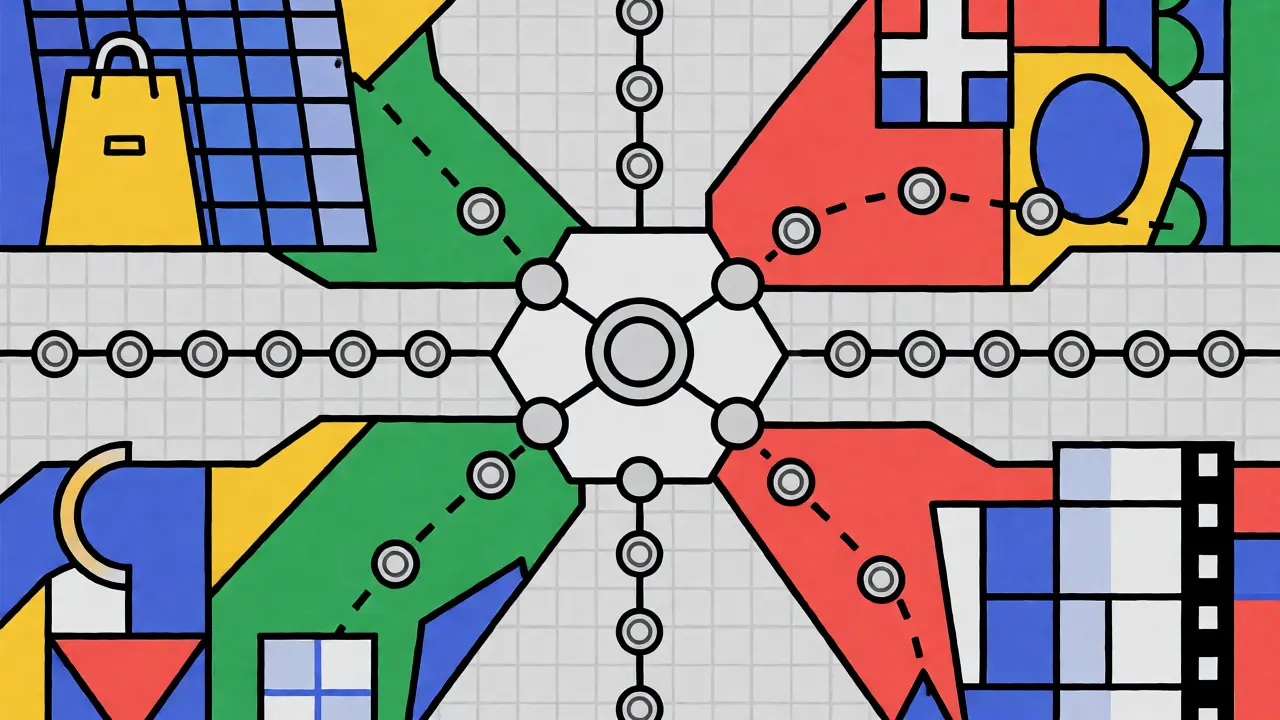
The trend of Tokenization is moving beyond just finance. We are seeing rapid adoption in retail, automotive, energy, healthcare, and media. Each of these sectors uses platform tokens to reduce friction and inefficiencies. For instance, in supply chain management, tokens can certify ownership and track goods transparently. This isn't just tech jargon; it saves companies millions in administrative costs. When businesses adopt these systems, they need the underlying tokens to operate, driving consistent buying pressure.
Consider the energy sector. Peer-to-peer energy trading platforms allow households to sell excess solar power to neighbors using platform tokens. This bypasses traditional utilities, cutting out the middleman. Investors who spotted this trend early saw significant returns as adoption grew. Similarly, in the creative economy, artists use platform tokens to engage fans and monetize content directly. The breadth of industries adopting these solutions suggests that well-positioned platform tokens have long-term growth potential, provided they solve genuine pain points rather than just adding blockchain for the sake of it.
Comparing Platform Tokens to Other Assets
To understand where platform tokens fit, look at how they stack up against other asset classes. They aren't quite stocks, and they aren't quite commodities. Here is a breakdown of the differences:
| Feature | Platform Tokens | Pure Cryptocurrencies (e.g., BTC) | Traditional Stocks |
|---|---|---|---|
| Primary Value Driver | Utility and platform adoption | Store of value and speculation | Company profits and dividends |
| Risk Profile | High (tied to single platform success) | Medium-High (market sentiment driven) | Low-Medium (regulated markets) |
| Regulatory Status | Evolving, varies by jurisdiction | Generally recognized as commodity | Heavily regulated (SEC, etc.) |
| Liquidity | Variable (depends on exchange listing) | Very High | Very High |
| Income Generation | Staking rewards, fee sharing | None (unless staked) | Dividends |
This table highlights why platform tokens are tricky. They offer higher potential returns than stocks due to their volatility and growth phase, but they carry risks that Bitcoin doesn't. If the protocol behind a token has a bug, your investment can vanish overnight. With Bitcoin, the code is battle-tested. With a new DeFi platform, you are betting on the code and the team simultaneously.
Key Risks Every Investor Must Watch
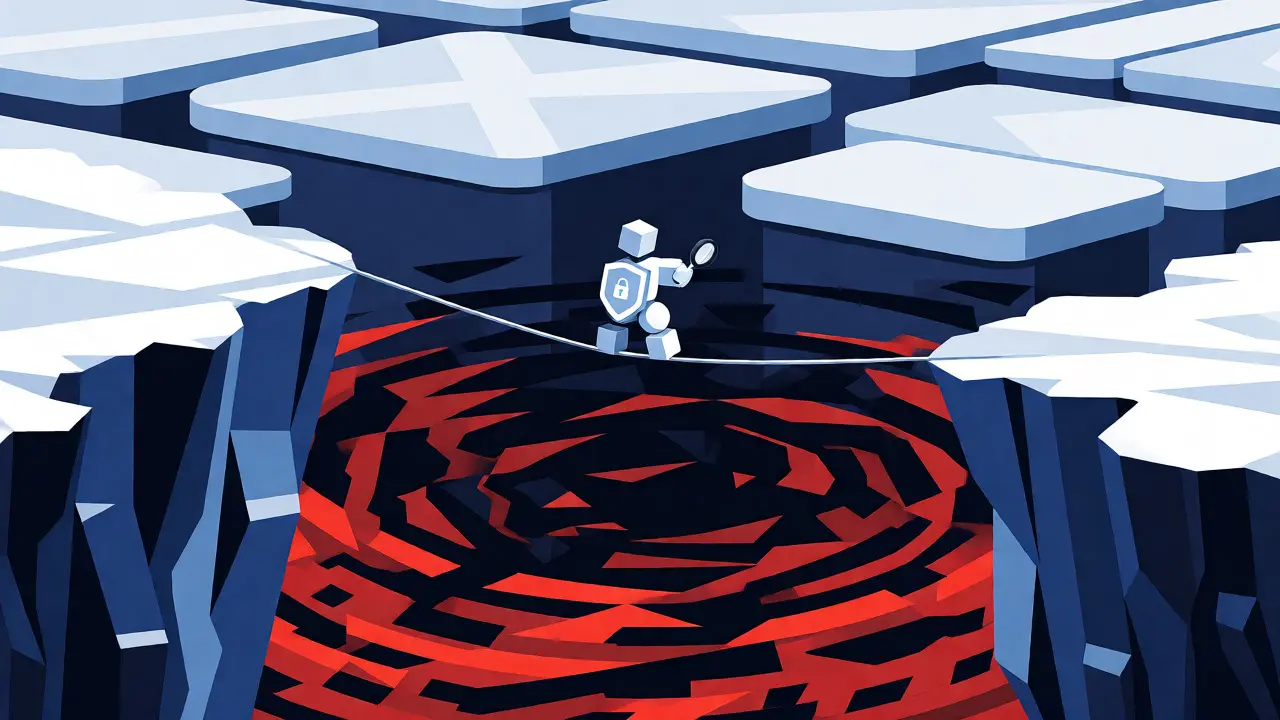
Don't let the shiny interface fool you. Investing in platform tokens involves serious risks. The biggest one is regulatory uncertainty. Governments worldwide are still figuring out how to classify these assets. Are they securities? Commodities? Utilities? If a regulator decides a token is an unregistered security, exchanges might delist it, causing the price to crash. We've seen this happen repeatedly since 2017, and it remains a top concern in 2026.
Technical failure is another major threat. Smart contracts, the self-executing codes that run many platforms, can have bugs. Hacks are common in the decentralized finance (DeFi) space. If a hacker drains the liquidity pool, the token value can plummet before anyone can react. Then there is competition. Blockchain moves fast. Today's leading platform could be replaced tomorrow by a faster, cheaper, or more user-friendly alternative. Always check if the project has active development and a growing community. A ghost town platform with a high token price is a red flag.
Liquidity is also uneven. While major tokens trade on big exchanges like Binance or Coinbase, smaller platform tokens might only trade on decentralized exchanges (DEXs). This means you might face high slippage (getting a worse price than expected) when trying to sell large amounts. If you need to exit your position quickly, low liquidity can trap you.
How to Evaluate a Platform Token Investment
So, how do you pick the winners? Start with fundamentals. Look at the whitepaper. Does it explain a clear problem and solution? Next, examine the tokenomics. How many tokens exist? How are they distributed? If insiders hold 80% of the supply, they can dump on you at any moment. Check the vesting schedules-when do locked tokens get released? Large unlocks often lead to price drops as recipients sell for profit.
Assess the team and partnerships. Are the founders credible? Do they have experience in the industry? Partnerships with established companies can signal legitimacy and drive adoption. Finally, look at on-chain metrics. Use tools to track active addresses, transaction volume, and total value locked (TVL). Rising metrics usually indicate growing interest and utility. If the price is going up but usage is flat, it might be speculative bubble. If usage is rising but price is flat, you might find a gem.
Frequently Asked Questions
Are platform tokens the same as altcoins?
Not exactly. "Altcoin" is a broad term for any cryptocurrency other than Bitcoin. Platform tokens are a specific subset of altcoins that provide utility within a specific ecosystem. While all platform tokens are altcoins, not all altcoins are platform tokens. Some altcoins are purely meme-based or focus solely on being a store of value.
Can platform tokens go to zero?
Yes, absolutely. Since their value depends on the success of a specific platform, if the platform fails, loses users, or faces severe regulatory bans, the token can lose nearly all its value. Unlike Bitcoin, which has a strong network effect independent of a single company, platform tokens are concentrated risks.
Do platform tokens pay dividends?
Some do, but it varies by protocol. Many modern platforms offer "staking" rewards, where you lock up your tokens to help secure the network and earn yield. Others distribute a portion of platform fees to token holders. This is different from traditional stock dividends, which are paid from corporate profits.
Is regulation killing the potential of platform tokens?
No, but it is shaping it. Regulation brings clarity and institutional money, which can boost prices long-term. However, strict rules may limit which tokens can be sold to retail investors in certain countries. Successful projects will be those that comply with regulations while maintaining decentralization.
How is the ERC-20 standard relevant to platform tokens?
The ERC-20 standard defines how tokens interact on the Ethereum blockchain. It ensures compatibility across wallets and exchanges. Because so many platform tokens are built on this standard, they are easy to integrate and trade. However, newer chains like Solana or Polygon have their own standards, offering lower fees and faster speeds.
Next Steps for Investors
If you're ready to dive in, start small. Don't bet the farm on one token. Diversify across different sectors-pick one from gaming, one from finance, and one from infrastructure. Keep a close eye on news regarding regulatory changes in your region. Use hardware wallets to store your tokens securely, especially if you plan to hold them long-term. And remember, the best time to buy is when others are fearful, but only if you have done your homework on the fundamentals.