
Imagine waking up to news that a major exchange just lost $1.5 billion in Ethereum. It’s not a glitch; it’s a state-sponsored heist. Between 2017 and 2023, North Korean hackers stole roughly $3 billion through cyberattacks, with the February 2025 Bybit breach standing as the largest single theft in history. For exchanges, investors, and regulators, the question isn’t *if* these attacks will happen, but how quickly you can spot them. Detecting North Korean crypto transactions is a complex process involving blockchain analysis, wallet clustering, and cross-chain monitoring to identify funds stolen by DPRK-sponsored threat actors. requires more than just looking at transaction hashes. It demands understanding specific laundering patterns, recognizing the tools they use, and knowing which intelligence firms are tracking them.
You might think blockchain transparency makes everything easy to see. In reality, North Korean groups like Lazarus Group and TraderTraitor have mastered the art of hiding in plain sight. They don’t just move money; they obfuscate it across multiple networks, using bridges, mixers, and high-frequency trading to overwhelm analysts. This guide breaks down exactly how experts detect these flows, what tools they use, and what you need to know to protect your assets or comply with sanctions.
The Anatomy of a North Korean Crypto Heist
To catch a thief, you first need to understand their method. North Korean cyber units operate under heavy international sanctions, meaning traditional banking routes are closed. Cryptocurrency is their lifeline. The typical attack follows a predictable, yet sophisticated, pattern.
It usually starts with a compromise. Whether through social engineering, zero-day exploits, or insider threats, the hackers gain access to private keys or exchange hot wallets. Once inside, speed is critical. They don’t wait. They immediately begin moving assets away from the source. Historically, they favored Bitcoin because of its dominance. Today, they prefer Ethereum and tokens on faster chains like Binance Smart Chain (BSC) and Solana. These networks allow for cheaper and quicker transactions, enabling them to split funds into thousands of smaller chunks before anyone notices.
Consider the DMM Bitcoin exploit in December 2024. Hackers stole 4,502.9 Bitcoin, valued at approximately $305 million. They didn’t send it all to one address. Instead, they routed it through dozens of intermediary addresses. This fragmentation is key. By breaking a large sum into many small pieces, they make it harder for automated systems to flag the entire flow as suspicious. Each small transfer looks like normal user activity until you step back and see the whole picture.
Key Detection Methodologies Used by Experts
How do firms like TRM Labs and Chainalysis actually find these hidden flows? They rely on three core techniques: wallet clustering, behavioral pattern recognition, and cross-chain bridge monitoring.
- Wallet Clustering: This is the foundation of blockchain forensics. If multiple addresses always send change back to the same address, or if they transact together frequently, analysts group them into a single entity. North Korean hackers often reuse certain operational patterns. By identifying known malicious clusters (like those linked to the Lazarus Group), analysts can tag new addresses that interact with them as "high risk."
- Behavioral Pattern Recognition: North Korean actors have distinct habits. For years, they relied heavily on mixing services like Tornado Cash, Wasabi Wallet, and Sinbad. While these services obscure trails, they leave fingerprints. Analysts look for deposits into mixers followed by withdrawals to fresh addresses. Recently, however, due to enforcement actions against mixers, North Korea has shifted tactics. They now use a "flood the zone" approach, executing rapid, high-frequency transactions across decentralized exchanges (DEXs) to dilute the stolen funds among legitimate market noise.
- Cross-Chain Bridge Monitoring: Modern hacks rarely stay on one chain. After stealing Ethereum, hackers often use bridges to convert it to Bitcoin or stablecoins on other networks. Bridges are choke points. By monitoring bridge contracts for unusual volume spikes or transfers to known illicit addresses, analysts can intercept funds before they disappear into the wider ecosystem.
Nick Carlsen, a North Korea expert at TRM Labs and former FBI subject matter expert, notes that the regime is intensifying this "flood the zone" technique. The goal is simple: overwhelm compliance teams and law enforcement with so much data that manual review becomes impossible. Detection systems must therefore be automated and capable of processing millions of transactions per second.
Leading Tools and Intelligence Providers
If you’re an exchange or a financial institution, you can’t build this infrastructure from scratch overnight. You rely on specialized blockchain intelligence firms. Here’s how the top players compare in detecting North Korean activity.
| Firm | Primary Strength | Detection Approach | Key Tool/Feature |
|---|---|---|---|
| TRM Labs | Sanctions Compliance & DPRK Specialization | Focuses on evolving laundering tactics, especially cross-chain bridges and high-volume flooding. | TRM Link API, Real-time alerting for sanctioned entities. |
| Chainalysis | Visualization & Investigative Depth | Uses graph theory to map fund flows from initial compromise to final laundering destinations. | Chainalysis Reactor, Graph visualization tools. |
| Elliptic | Enterprise Integration & Risk Scoring | Integrates directly into exchange KYC/AML workflows to block transactions in real-time. | Elliptic Navigator, Transaction screening APIs. |
TRM Labs has been particularly vocal about North Korean activity. Their reports detail how the DPRK shifts from traditional anonymity methods to prioritizing speed and automation. When the Bybit hack occurred in February 2025, TRM Labs was among the first to confirm North Korean responsibility. They tracked how the stolen Ethereum was converted to Bitcoin via decentralized exchanges and then moved through bridging services. The majority of this converted Bitcoin remains stationary in large wallets, suggesting preparation for future over-the-counter (OTC) liquidation or further obfuscation.
Chainalysis complements this with deep investigative tools. Their Reactor platform allows analysts to visualize the entire attack phase. In the case of the DMM Bitcoin exploit, Chainalysis helped trace the $305 million through multiple intermediary addresses before it reached mixing services. This visual mapping is crucial for law enforcement, providing the evidence needed for asset recovery or prosecution.
Emerging Tactics: The Shift from Mixers to Market Flooding
One of the biggest challenges in 2026 is the evolution of North Korean laundering tactics. For years, the playbook was straightforward: steal crypto, send it to a mixer, withdraw it to a clean wallet. But regulatory pressure has cracked down on mixers. Tornado Cash was sanctioned, and other services face increasing scrutiny.
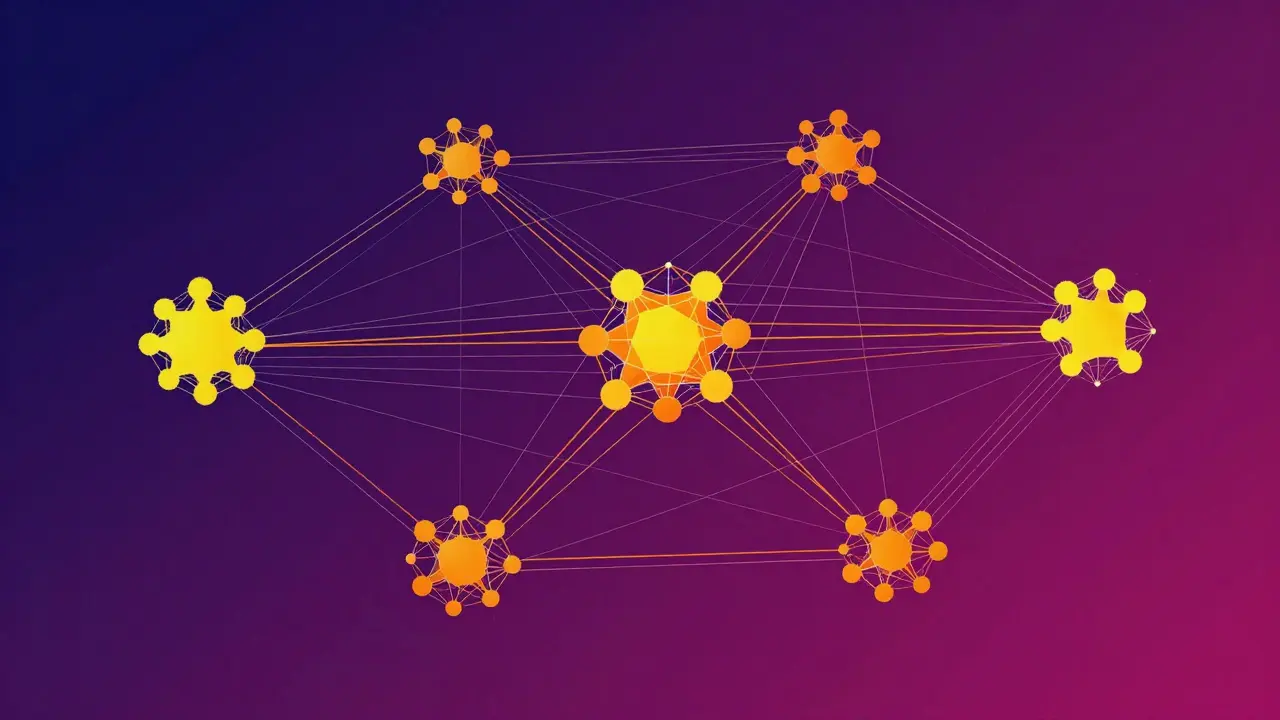
In response, North Korean hackers have adopted a "flood the zone" strategy. Instead of hiding behind a single mixer, they dump stolen funds into decentralized exchanges (DEXs) and liquidity pools. They execute thousands of trades in minutes, swapping tokens across different pairs. This creates a massive amount of "noise." To an automated system, these look like legitimate high-frequency trading activities. Only by analyzing the aggregate behavior-seeing that thousands of seemingly unrelated trades originate from a single compromised cluster-can analysts identify the illicit nature.
This tactic also involves leveraging cross-chain bridges. Hackers might steal assets on Ethereum, bridge them to Solana or Binance Smart Chain, and then use local DEXs on those networks to fragment the funds further. Each hop adds a layer of complexity. Detection requires monitoring not just one blockchain, but the interconnections between them. Tools must track the "canonical" flow of assets across bridges to ensure no value escapes unnoticed.
Implementation Challenges for Exchanges and Institutions
Implementing effective detection isn’t just about buying software. It’s about integrating it into your operational workflow. For an exchange, the cost of failure is existential. The DMM Bitcoin hack led to the company closing operations entirely, transferring remaining assets to SBI VC Trade. That’s the stakes.
Here’s what institutions need to consider when setting up detection systems:
- Real-Time Screening: Post-transaction analysis is too late. Funds can be mixed or moved off-exchange in seconds. Your system must screen transactions *before* they are confirmed or allowed to withdraw. APIs from providers like TRM Labs or Elliptic can integrate directly into your withdrawal pipeline, blocking transfers to high-risk addresses instantly.
- Multi-Chain Coverage: Don’t just monitor Bitcoin and Ethereum. North Korean actors are increasingly active on Layer 2 solutions, alt-L1s, and emerging chains. Ensure your provider covers the full spectrum of networks where your users trade.
- Human Expertise: Algorithms flag anomalies, but humans interpret context. A sudden spike in volume might be a hack, or it might be a whale moving funds. You need a team of forensic analysts who understand North Korean TTPs (Tactics, Techniques, and Procedures) to validate alerts and reduce false positives.
- Regulatory Reporting: Detection is only half the battle. You must report suspicious activity to relevant authorities, such as the FBI’s Internet Crime Complaint Center (IC3) or local financial crime units. Maintain clear logs and evidence trails to support any legal action.
The FBI has issued warnings that North Korea employs sophisticated social engineering schemes, compromising even well-secured organizations. Technical detection must be paired with robust internal security practices. Multi-signature wallets, hardware security modules (HSMs), and strict access controls are essential to prevent the initial breach.
The Role of Decentralized Finance (DeFi) in Laundering
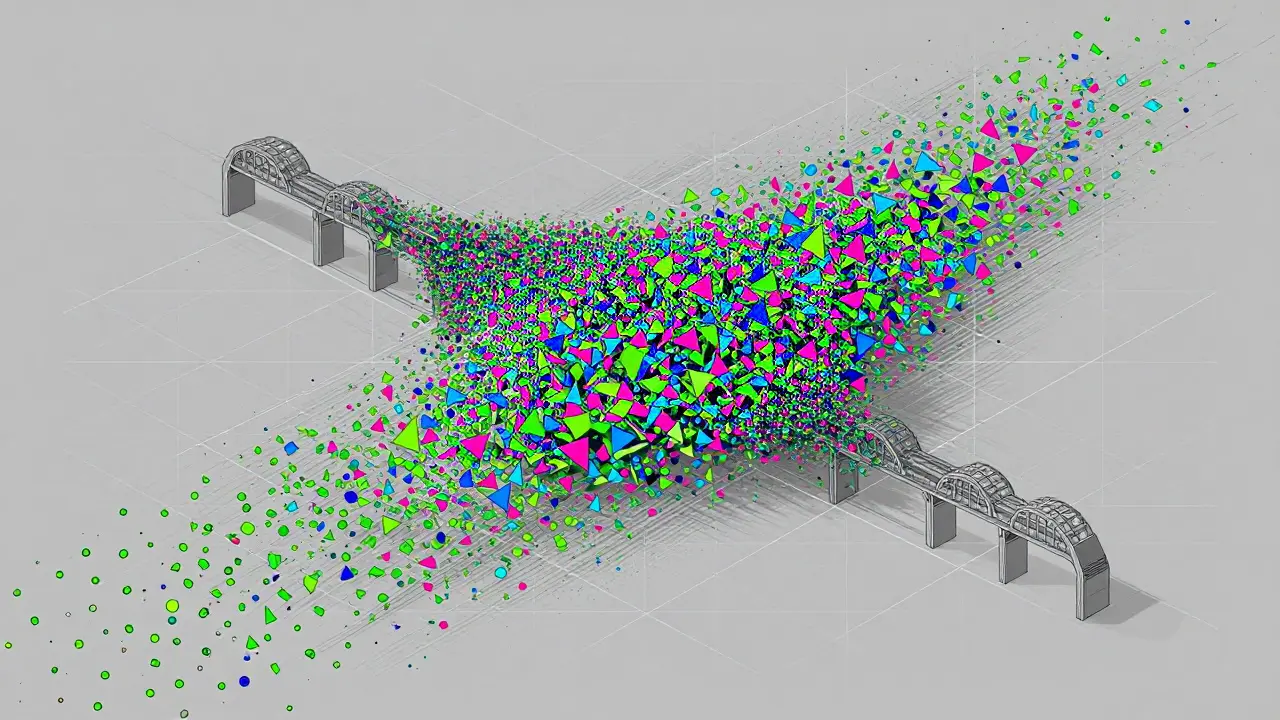
DeFi platforms have become a haven for illicit finance because they lack centralized oversight. North Korean hackers exploit this by interacting directly with smart contracts. They don’t need to create accounts or provide ID. They just need a wallet.
Recent trends show North Korean groups researching cryptocurrency exchange-traded funds (ETFs) and targeting DeFi protocols associated with financial products. This suggests a strategic shift toward infiltrating the broader institutional crypto ecosystem. Detection in DeFi is harder because there are no intermediaries to freeze assets. Once funds are swapped in a Uniswap pool, they are commingled with legitimate liquidity.
To combat this, analysts focus on "tainted" liquidity. If a significant portion of a pool’s liquidity comes from known illicit sources, the entire pool becomes risky. Some protocols are beginning to implement "slashing" mechanisms or blacklisting for addresses involved in hacks, though this is controversial in the decentralized community. For now, reliance on third-party intelligence feeds remains the primary defense.
Future Outlook: Predictive Analytics and AI
The arms race between hackers and detectors continues. As North Korean tactics become more automated, detection systems must evolve too. The next frontier is predictive analytics. Instead of reacting to a hack after it happens, AI-driven models aim to identify pre-operational behaviors.
For example, if a set of wallets begins accumulating small amounts of gas fees or testing interactions with a new protocol days before a major event, it could signal reconnaissance. Machine learning algorithms can analyze historical data from past attacks to identify these subtle precursors. While still in development, these tools promise to shift the paradigm from reactive tracing to proactive prevention.
However, technology alone won’t solve the problem. International cooperation is vital. Sanctions enforcement, information sharing between governments, and collaboration between private sector firms and law enforcement are critical components. The $2.2 billion stolen in 2024 underscores the scale of the challenge. Without a unified global response, North Korean hackers will continue to find loopholes.
Who are the main North Korean hacking groups targeting crypto?
The two most prominent groups are the Lazarus Group and TraderTraitor. Lazarus Group is older and more established, responsible for early major hacks like the Bangladesh Bank heist and various exchange breaches. TraderTraitor is a newer cluster identified by blockchain firms, focusing specifically on stealing digital assets from exchanges, DeFi platforms, and wealthy individuals. Both operate under the direction of North Korean state agencies, primarily the Reconnaissance General Bureau.
What is the "flood the zone" technique?
"Flood the zone" is a laundering tactic where hackers execute a massive number of small, rapid transactions across decentralized exchanges and bridges. Instead of sending funds to a mixer, they fragment the stolen assets into thousands of pieces, mixing them with legitimate market activity. This overwhelms automated detection systems and makes it difficult for analysts to trace the original source without extensive manual investigation.
Can individual users detect if they are interacting with North Korean wallets?
Not easily. Individual users lack the tools and data to perform blockchain forensics. However, you can mitigate risk by using reputable exchanges and wallets that integrate blockchain intelligence APIs. These platforms automatically screen transactions against lists of known illicit addresses. If you are using a self-custody wallet, avoid interacting with unknown DeFi protocols or accepting payments from unverified sources, as you cannot verify the origin of funds yourself.
Why do North Korean hackers prefer Ethereum and BSC over Bitcoin?
Ethereum and Binance Smart Chain (BSC) offer faster transaction speeds and lower fees compared to Bitcoin. This allows hackers to move and split funds more quickly, reducing the window of time available for detection and freezing. Additionally, the rich ecosystem of decentralized exchanges and bridges on these networks provides more options for obfuscating the trail. Bitcoin is still used, often as a final destination for long-term storage, but the initial laundering steps occur on faster chains.
What happened in the February 2025 Bybit hack?
In February 2025, the Bybit exchange suffered a breach resulting in the theft of approximately $1.5 billion worth of Ethereum tokens. This is currently the largest cryptocurrency theft in history. Blockchain intelligence firms like TRM Labs attributed the attack to North Korean hackers. The stolen funds were rapidly converted to Bitcoin and moved through cross-chain bridges and decentralized exchanges, demonstrating the advanced "flood the zone" tactics used to evade immediate detection.
How effective are mixers like Tornado Cash in hiding North Korean funds today?
Mixers are less effective than they once were. Due to sanctions and increased regulatory scrutiny, many centralized services and some DeFi protocols block interactions with known mixer addresses. North Korean hackers have largely shifted away from relying solely on mixers. Instead, they use a combination of fragmented transactions, cross-chain bridges, and high-frequency trading on DEXs to achieve anonymity. While mixers are still part of their toolkit, they are no longer the primary method.