You’ve probably heard the horror stories. Someone tries to send money from their bank app to a crypto exchange, and the transaction gets flagged or reversed. It’s frustrating, especially when you just want to buy some Bitcoin or stablecoins without jumping through hoops. Since the Central Bank of Nigeria (CBN) tightened its stance on digital assets back in 2021, buying cryptocurrency with Nigerian Naira (NGN) hasn’t been as simple as clicking a button. But here’s the good news: it is absolutely possible, and thousands of Nigerians do it every day. You just need to know which doors are open and which ones are locked.
Quick Summary
- P2P is King: Peer-to-Peer (P2P) exchanges like Binance and Bybit remain the most reliable way to swap NGN for crypto due to direct bank transfers between users.
- Direct On-Ramps Exist: Platforms like Blockchain.com now support direct NGN deposits, bypassing some traditional banking friction.
- Banks Are Still Wary: Direct debit card purchases often fail because local banks block transactions to known crypto merchants.
- KYC Is Mandatory: Expect identity verification steps; anonymous trading is largely a thing of the past on major platforms.
The Current State of Crypto Access in Nigeria
Let’s clear up the confusion about what you can and cannot do. The CBN didn’t ban owning Bitcoin. They banned banks from facilitating crypto transactions for their customers. This sounds similar, but the difference matters. You legally own your crypto. You can hold it, trade it, and spend it. What you can’t easily do is walk into a First Bank branch and ask them to wire your savings directly to Coinbase. That link was severed.
This regulatory gap created a workaround ecosystem. Instead of moving money from Bank A to Exchange B, Nigerians moved money from Person A to Person B, while the platform held the crypto in escrow. This method, known as Peer-to-Peer (P2P) trading, became the backbone of the Nigerian crypto market. It’s resilient, liquid, and surprisingly efficient once you get the hang of it.
However, the landscape shifted again recently. In March 2025, Blockchain.com officially added support for the Nigerian Naira. This was a big deal. For years, Nigerian users had to convert NGN to USD via third-party services before buying crypto. Now, you can deposit naira directly. This signals that international players are betting big on the Nigerian market despite the regulatory hurdles.
Choosing Your Platform: Brokers vs. Exchanges vs. P2P
Not all platforms work the same way for Nigerian users. Choosing the wrong one can lead to stuck funds or failed transactions. Here is how the main options stack up.
| Method | Best For | Payment Options | Risk Level |
|---|---|---|---|
| P2P Exchanges | Users wanting lowest fees and high liquidity | Bank Transfer, USSD, Mobile Money | Medium (Requires vigilance) |
| Crypto Brokers | Beginners who want simplicity | Card, Direct Deposit (if supported) | Low (Higher fees) |
| OTC Services | Large volume sellers/buyers | Direct Bank Settlement | Low (High minimums) |
P2P Exchanges like Binance, Bybit, and formerly LocalBitcoins, dominate the scene. Why? Because they don’t touch your bank account directly. When you buy BTC on Binance P2P, you send NGN from your GTBank account to another user’s Zenith Bank account. Binance holds the BTC in escrow until the seller confirms they received the cash. It’s safe if you follow the rules, but you must be careful not to mark the payment as "crypto" in the bank memo, as this can trigger account freezes.
Crypto Brokers such as Luno offer a smoother experience. Luno has historically been very friendly to Nigerian users, offering direct fiat on-ramps. If you prefer a clean interface where you click "Buy," enter an amount, and pay via card or transfer, this is your lane. However, the spread (the difference between buy and sell price) is usually higher than on P2P markets.
OTC Services like Breet are specialized. Breet is excellent for selling crypto for naira instantly. It handles the conversion automatically and sends naira to your bank. But note: Breet doesn’t let you *buy* crypto. It’s a one-way street for many users, so you’ll likely need a second platform for purchasing.
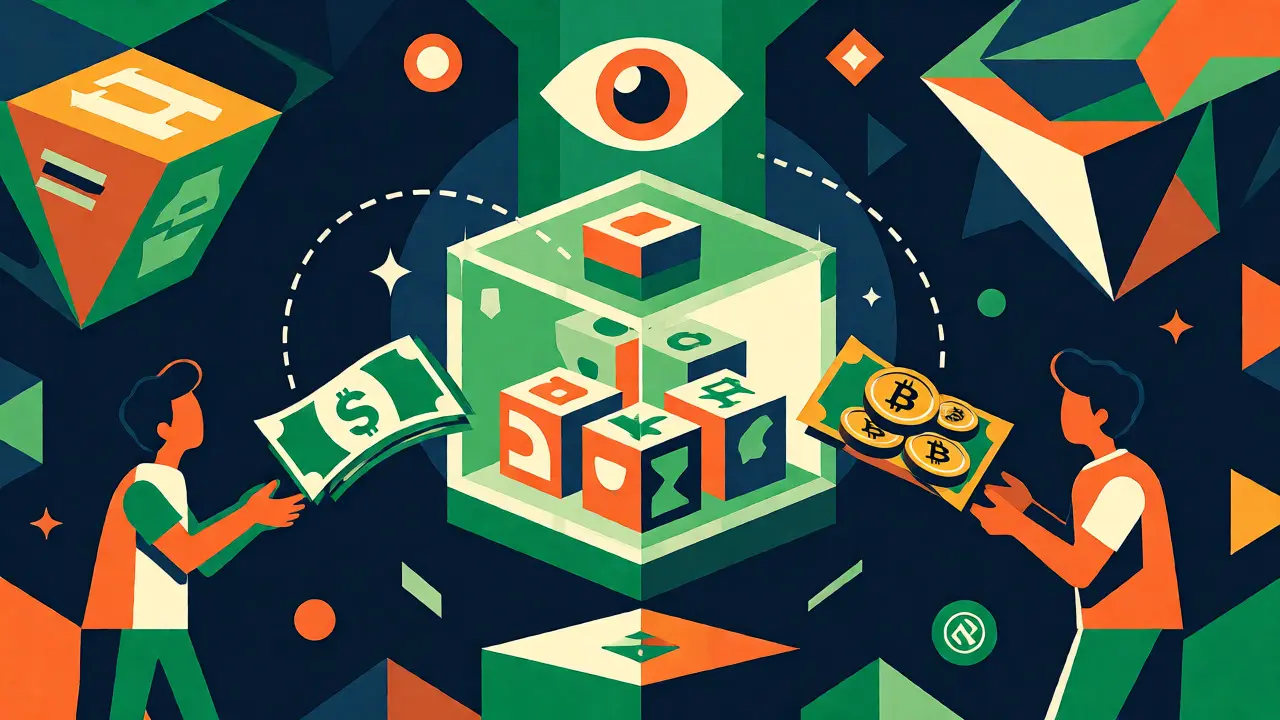
Step-by-Step: How to Buy Using P2P (The Most Common Method)
If you’re new to this, start with a reputable P2P platform. Here’s the workflow that keeps your money safe.
- Complete KYC Verification: Before you can trade, you must verify your identity. Upload your National ID, Voter’s Card, or International Passport. Ensure your name matches your bank account exactly. Mismatches cause delays.
- Add Payment Methods: Go to settings and add your bank accounts. Use accounts you trust and use frequently. Avoid using business accounts if possible, as they attract more scrutiny.
- Select an Advertiser: Don’t just pick the cheapest rate. Look at the advertiser’s completion rate (aim for >95%) and number of orders. A low completion rate might mean they are slow or unreliable.
- Initiate the Order: Click "Buy." Enter the amount of NGN you want to spend. The system will show you how much crypto you get.
- Send Payment: Log into your bank app. Send the exact amount to the seller’s account details provided. Crucial Step: Do NOT write "Bitcoin," "Crypto," or "USDT" in the narration/memo field. Leave it blank or write "Transfer." Banks hate seeing crypto keywords.
- Mark as Paid: Once the money leaves your account, go back to the platform and click "I have paid." Wait for the seller to release the crypto.
Direct Purchase Options: Blockchain.com and Changelly
If the P2P dance feels too risky, look at direct purchase platforms. Blockchain.com’s integration of NGN support in 2025 changed the game. You can sign up, verify your ID, and fund your wallet directly with naira. The process is similar to using a fintech app like PiggyVest or Kuda, but for crypto.
Changelly is another solid option for buying Bitcoin with NGN. They act as an aggregator, finding the best rates among verified providers. You can pay via Visa/Mastercard, Apple Pay, Google Pay, or PayPal. Note that card payments often incur higher fees (3-5%) compared to bank transfers. Also, any transaction over $150 triggers a stricter KYC check, requiring proof of address.
Avoiding Pitfalls: Security and Banking Risks
The biggest threat isn’t hackers stealing your private keys-it’s your bank freezing your account. This happens when banks suspect you are running a crypto exchange business rather than personal investing.
- Memo Field Discipline: Never mention crypto in bank memos. Ever.
- Consistent Volume: If you suddenly move millions of naira in and out daily, banks will flag you. Keep volumes reasonable for personal use.
- Scam Awareness: On P2P, never release crypto before you see the money in your bank balance. Screenshots can be faked. Always log into your banking app to confirm receipt.
- Fake Support Agents: Scammers will DM you pretending to be platform support. Real support never asks for your password or seed phrase. Communicate only within the platform’s chat system.
What About Foreign Nationals?
If you live in Nigeria but aren’t a citizen, you can still participate. Platforms like Changelly and major exchanges allow foreign nationals to buy Bitcoin, provided they pass KYC. You will need your passport and potentially a utility bill showing your Nigerian address. The CBN restrictions primarily target Nigerian banks and residents, so compliance relies more on the platform’s global anti-money laundering policies than local residency status.
Final Thoughts on the Nigerian Crypto Market
Buying crypto with fiat in Nigeria requires a bit more effort than in Europe or the US, but the barriers are manageable. The shift toward direct NGN support by giants like Blockchain.com shows that the market is maturing. For now, keep a multi-platform strategy. Have a P2P account for cheap trades, a broker account for quick buys, and a secure hardware wallet for long-term storage. Stay updated on CBN announcements, as regulations can change overnight, but don’t let fear stop you from participating in one of Africa’s most vibrant digital asset economies.
Is it legal to buy crypto in Nigeria?
Yes, it is legal for individuals to own and trade cryptocurrency. The Central Bank of Nigeria (CBN) restricts banks from facilitating crypto transactions, but there is no law banning citizens from holding digital assets.
Why did my bank block my crypto transaction?
Banks often block transactions to known crypto merchants or flag large, frequent transfers. Additionally, writing "crypto" or "Bitcoin" in the transaction memo can trigger automated fraud detection systems.
Which platform supports direct NGN deposits?
As of 2025, Blockchain.com supports direct NGN deposits. Some brokers like Luno also offer fiat on-ramps, though availability can vary based on current banking partnerships.
Can I buy crypto with a debit card in Nigeria?
It is difficult. Most Nigerian debit cards are blocked from international crypto merchants. You may have success with specific platforms that use local payment gateways, but P2P bank transfers are far more reliable.
Do I need to pay tax on crypto profits in Nigeria?
The Federal Inland Revenue Service (FIRS) has indicated that gains from crypto trading are taxable. However, enforcement mechanisms are still evolving. Consult a tax professional for your specific situation.