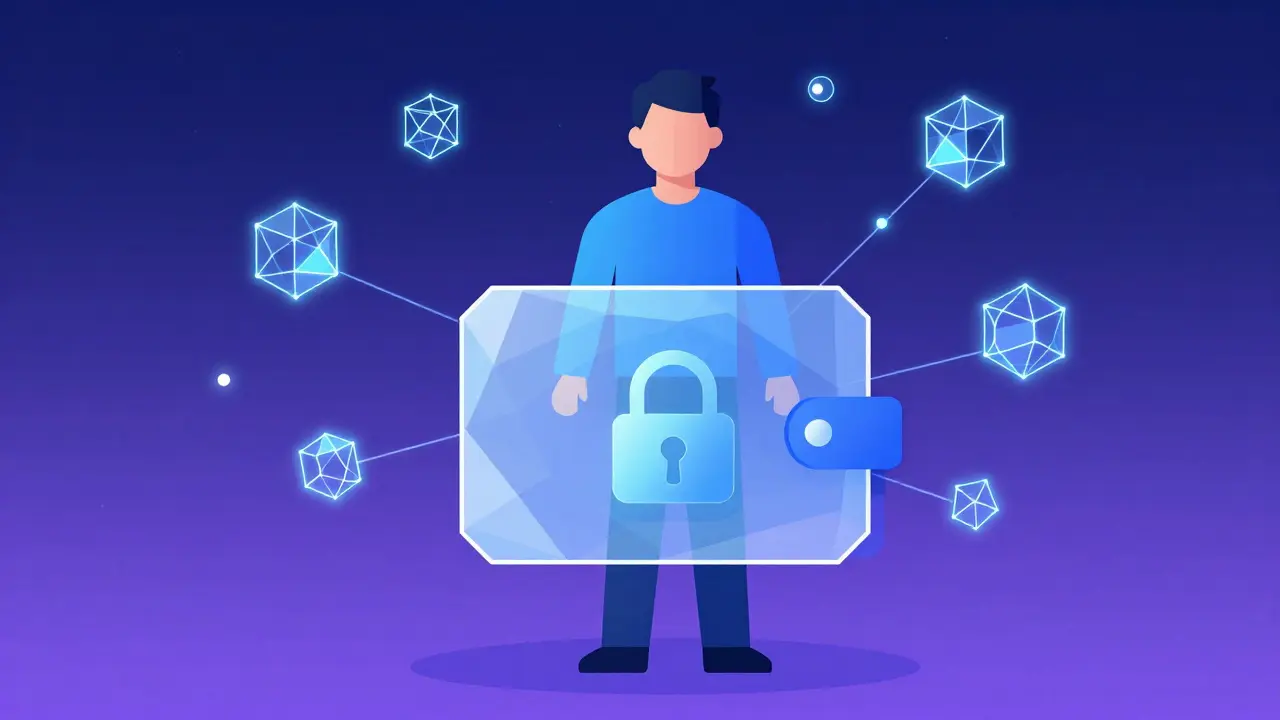
The landscape of digital ownership has shifted significantly since the early days of speculation. In March 2026, Non-Fungible Tokens (unique digital assets verified on the blockchain) are no longer just hype-driven JPEGs; they represent tickets, membership passes, intellectual property certificates, and verifiable collectibles. If you want to participate in this ecosystem, understanding the mechanics of buying and selling is essential. This guide cuts through the noise to give you the practical steps needed to navigate the market safely and effectively today.
Setting Up Your Digital Identity
Before you can transact on the blockchain, you need a way to sign into these decentralized spaces. Traditional logins with usernames and passwords do not exist in this world. Instead, you require a Digital Wallet a software tool that stores your private keys and crypto funds. Think of this as your ID card combined with your bank account. Without it, you cannot prove ownership of anything purchased on the open web.
MetaMask the most popular browser extension wallet remains the standard for connecting to most marketplaces. It functions as a browser extension for Chrome or Firefox and allows you to hold cryptocurrencies like Ether. Setting this up involves downloading the extension, generating a unique secret recovery phrase, and securing that phrase offline. Never store this phrase digitally or share it with anyone who claims to offer support. That phrase grants total access to your assets.
Funding Your Account for Transactions
Once your wallet exists, it is empty. You need fuel to pay for transactions and purchasing power for the assets themselves. Most primary markets operate on the Ethereum Blockchain the foundational network for smart contracts. To buy items here, you must hold Ethereum (ETH) in your wallet. However, high transaction costs often deter buyers, so many creators now choose alternative networks like Polygon a layer-2 scaling solution for lower fees or Solana a high-performance blockchain for fast transfers.
To get funds into your wallet, you usually start with a centralized exchange like Coinbase or Binance. You purchase Ethereum using traditional currency, then withdraw it to your public wallet address. Watch out for 'network errors'. If you try to send an ERC-20 token over a Polygon network, the funds may vanish forever. Always verify that your destination wallet supports the same chain as the sending method.
Executing a Purchase on Major Marketplaces
The actual act of buying is straightforward once your wallet is funded. OpenSea the dominant NFT marketplace with massive liquidity continues to lead the industry, offering a user-friendly interface that aggregates multiple blockchains. Here is the typical workflow for a first-time buyer:
- Navigate to the asset page: Click on the specific item you wish to acquire. Look for the blue banner or badge verifying the collection to avoid counterfeits.
- Select 'Buy Now': If there is an instant buy button, click it. For auctions, you will place a bid instead.
- Confirm via Wallet: A pop-up will appear asking you to connect your wallet. Once connected, review the details.
- Pending Transaction: Approve the transfer of funds. Note that the network might request a small extra amount for gas fees even if the platform advertises free minting.
In 2026, platforms have integrated fiat on-ramps more deeply. Some sites allow you to pay with a credit card directly, handling the crypto conversion automatically behind the scenes. This removes the technical barrier of managing raw ETH balances for casual shoppers.
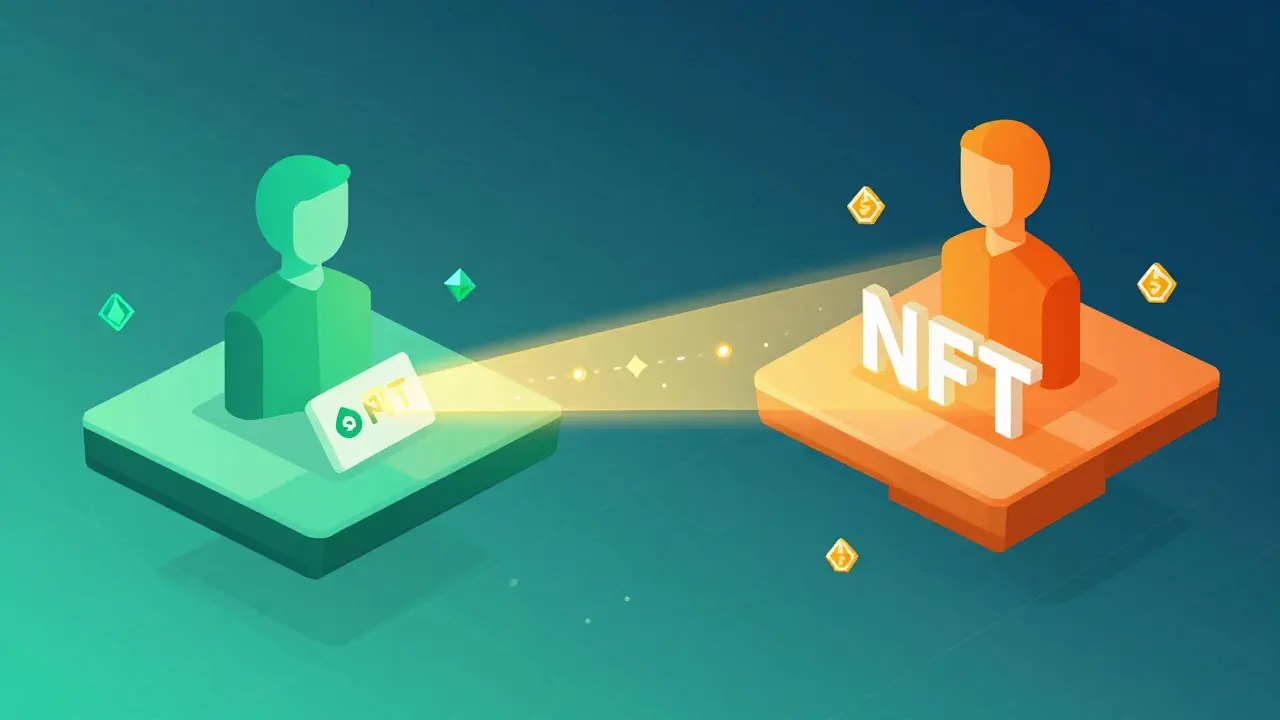
Selling Your Assets
Deciding to sell requires a different strategy than buying. You are moving from a consumer role to a merchant role, which means understanding fees and timing are critical. You can sell items you own on the secondary market or list new creations on the primary market.
For existing owners, the process starts with navigating to your profile section on the marketplace. Select the item you want to liquidate and click 'Sell'. You then face a choice between fixed-price listings and timed auctions. Fixed prices generate immediate sales but might undervalue rare items. Auctions create competition that can drive prices higher, but there is no guarantee of a sale before the timer ends. You can set a reserve price to ensure you do not sell below a specific value.
When listing, you also define the royalty percentage. This ensures that whenever the item resells in the future, you receive a cut of the transaction. While some newer marketplaces make royalties optional or unenforceable on-chain due to legal disputes, reputable platforms still enforce them strongly to protect creator revenue.
Understanding the Cost Structure
A common shock for new participants involves fees. Beyond the sticker price of the NFT, you must pay operational taxes to the blockchain and the platform.
| Fee Type | Typical Range | Payer |
|---|---|---|
| Gas Fee (Network) | $2 - $100+ | Sender (Buyer/Seller) |
| Platform Service Fee | 2.5% | Seller |
| Creator Royalty | 5% - 10% | Seller |
Gas fees are variable. On the Ethereum mainnet, congestion drives costs up drastically during peak hours. Using alternative chains like Polygon keeps these fees negligible, often less than one dollar. Planning your transaction times can save significant money. Late nights and weekends generally see lower activity and thus cheaper gas.
Risk Management and Security
The decentralized nature of these assets means the burden of security rests entirely on you. There is no customer service chat to recover lost funds. Phishing scams remain the most prevalent threat. Hackers often mimic legitimate login prompts. Always verify the URL of the site you are visiting.
Use hardware wallets like Ledger or Trezor for valuable collections. These physical devices keep your private keys isolated from your computer's internet connection. Even if your computer gets infected with malware, the hardware device prevents unauthorized spending because you physically press buttons to confirm transactions.
Frequently Asked Questions
Is it safe to buy NFTs with a credit card?
Yes, many modern platforms support credit cards by handling the cryptocurrency conversion automatically. However, you lose some control over fees and exchange rates compared to using your own wallet.
What happens if I lose my wallet password?
You lose access to your funds forever if you do not have your 12-word recovery phrase. Back up this phrase physically and store it securely. There is no central authority that can reset it for you.
Do I own the copyright when I buy an NFT?
Generally, no. You own the token proving you bought the item, but the artist usually retains the copyright. Commercial rights vary by project and are specified in the smart contract metadata.
Can I move NFTs between different blockchains?
Not directly. An asset on Ethereum is not natively compatible with Solana. You can bridge assets using specialized tools that lock the original and mint a wrapped version on the new chain, but this adds complexity and risk.
Why do prices fluctuate so wildly?
The NFT market is currently highly speculative. Prices depend on community sentiment, utility updates from projects, and general crypto market trends. Unlike stocks, there is no fundamental earnings report, making volatility the norm.
Tony Phillips
March 27, 2026 AT 16:45Wallet security really is the most important part of the whole process.
Dominic Taylor
March 28, 2026 AT 00:01The underlying architecture here relies heavily on smart contract execution.
Most people overlook the gas implications when bridging assets.
Layer two solutions definitely provide superior throughput.
You cannot ignore the settlement time on mainnet Ethereum.
Liquidity depth often dictates whether your exit is possible.
Slippage tolerance settings need careful configuration before signing.
Metadata integrity is crucial for long-term asset value retention.
Off-chain storage risks pose significant problems for permanent access.
IPFS hashing does not guarantee immutable availability forever.
We must consider the legal implications of unverified claims.
Regulatory frameworks are shifting faster than protocol updates occur.
Tax reporting requirements vary wildly by jurisdiction and chain.
Wallet recovery phrases remain the single point of failure always.
Hardware isolation provides necessary protection against remote exploits.
Security practices evolve as quickly as new attack vectors emerge.
Staying updated prevents catastrophic loss scenarios for everyone.
Annette Gilbert
March 28, 2026 AT 10:52Oh wow sure let us all pretend this isn't just a giant ponzi scheme wrapped in tech speak.
I am so impressed by how many people ignore the fact that prices are manipulated by whales.
Mike Yobra
March 30, 2026 AT 04:00Digital ownership seems like a concept we will revisit in a decade or so when the servers shut down.
Zion Banks
March 31, 2026 AT 18:16They are tracking every transaction through the public ledger anyway.
Your anonymity is an illusion created by marketing teams.
John Alde
April 1, 2026 AT 04:14Many beginners find the initial setup quite daunting without guidance.
Creating a secure environment requires several deliberate steps first.
You should never skip the backup process for your seed phrase.
Physical copies offer better security than digital screenshots generally.
Firewalls and antivirus software still play a critical role today.
Phishing attempts mimic legitimate sites to steal credentials easily.
Double-checking URLs saves you from losing everything instantly.
Network selection is vital when transferring funds between wallets.
Mismatched chains result in permanent loss of transferred amounts.
Gas estimation tools help predict costs before you commit.
Patience is necessary while waiting for block confirmations to finalize.
Understanding fees helps you avoid overspending on small items.
Community support channels often resolve issues faster than docs.
Learning curves flatten significantly with practical daily usage habits.
Consistency builds the skills needed for independent navigation.
Your financial security depends entirely on your own discipline levels.
manoj kumar
April 2, 2026 AT 05:01People forget that buying art supports creators unlike traditional markets sometimes.
However the energy consumption remains a valid moral concern for many.
Anand Makawana
April 3, 2026 AT 10:58The technology stack IS incredibly robust!!!
YOU MUST understand the difference between hot and cold storage!!!
DO NOT trust online seed phrase generators EVER!!!
Pradip Solanki
April 5, 2026 AT 05:27actually i think the risk is higher than stated because the private keys get lost way too often and nobody cares about legacy planning
Mansoor ahamed
April 5, 2026 AT 08:14Polygon offers lower fees compared to the main ethereum chain currently.
Jeannie LaCroix
April 6, 2026 AT 08:36WAKE UP AND GRAB THE OPPORTUNITY BEFORE IT GONE!!!
THE MARKET MOVES FAST AND YOU NEED TO ACT NOW!!!
DONT WAIT FOR MORE NEWS JUST TAKE ACTION TODAY!!!
Alice Clancy
April 7, 2026 AT 00:31we need more control over our own data and assets instead of corporate servers :)
Ananya Sharma
April 7, 2026 AT 21:27security matters most when moving money around the network
Alicia Speas
April 9, 2026 AT 09:47It is indeed prudent to prioritize safety measures above speed.
Please ensure you keep your backups in a fireproof location.
Dheeraj Singh
April 10, 2026 AT 07:07i cant beleive people still dont get that this is just for degens who lost money in stocks
normal investors do not touch this shiat blockhain garbage
Nicolette Lutzi
April 10, 2026 AT 13:27The central banks are watching all these transactions closely for future regulation.
Nothing escapes their surveillance capabilities in the end.
JOHN NGEH
April 12, 2026 AT 01:03There is hope that the utility will grow beyond speculation soon enough.
Tony Phillips
April 13, 2026 AT 03:04Takes a while to get used to managing your own keys without any help buttons.