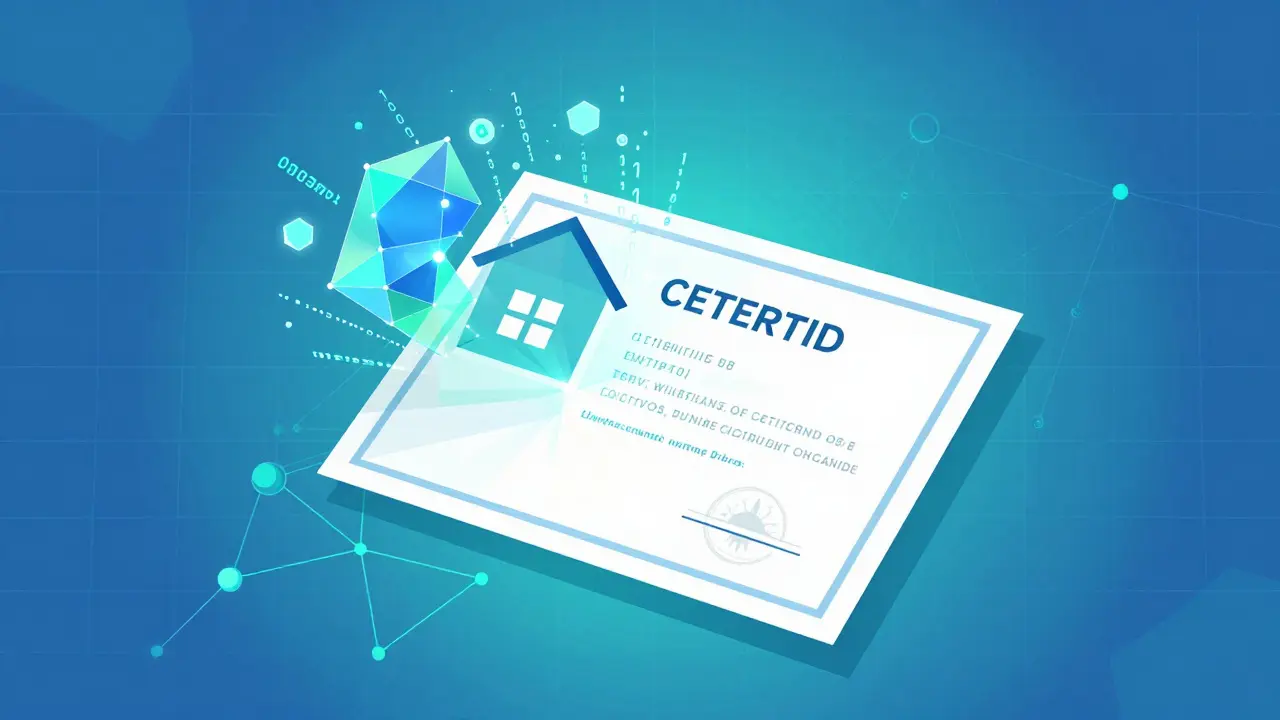
You’ve probably seen the headlines. Someone sells a jpeg of a monkey for millions. Another person buys a digital ticket that never expires. But beneath the hype and the price tags lies a much simpler question: how do these things actually work? It’s not magic, and it’s not just about expensive pictures. At its core, an NFT is a non-fungible token that acts as a unique digital certificate of ownership recorded on a blockchain. Think of it like a deed to a house, but instead of paper held in a county clerk's office, it’s a line of code living on a global computer network.
To understand NFTs, you first have to forget everything you know about Bitcoin or Ethereum coins. Those are fungible. One dollar bill is exactly the same as another dollar bill. You can swap them without losing anything. An NFT is different. It is non-fungible. That means every single one is unique and cannot be exchanged on a one-to-one basis with another. Your specific tweet, your specific piece of art, or your specific virtual land plot has a distinct identity that no other token holds. This uniqueness is what gives it value, not because the image itself is special-you can right-click and save any JPEG-but because the *ownership* record is verified by mathematics and cryptography.
The Technical Backbone: Standards and Smart Contracts
So, how does the blockchain know this token is yours and not someone else’s? It relies on strict rules called token standards. The most famous one is ERC-721 is the original technical standard for creating unique tokens on the Ethereum blockchain. Created in 2017, ERC-721 ensures that every token has a unique ID number. If you own Token #42 of a collection, the blockchain knows that ID #42 belongs to your wallet address. Later, a more efficient standard called ERC-1155 is a multi-token standard allowing developers to manage multiple types of assets within a single smart contract. was introduced. This is popular in gaming because it lets you hold both unique swords and thousands of identical gold coins in the same system, saving money on transaction fees.
These standards live inside something called a smart contract. A smart contract is essentially a self-executing program stored on the blockchain. When you buy an NFT, you aren’t buying the file itself; you are interacting with this contract. The contract checks if you have enough cryptocurrency to pay, transfers the funds to the seller, and then updates its internal ledger to say, “Hey, Wallet Address A now owns Token ID #42.” This happens automatically, without a bank or lawyer involved. This transparency is why people trust the system-the history of who owned what is public and permanent.
Where Is the Art Actually Stored?
This is the part that confuses most people. If I buy an NFT of a cartoon ape, where is the actual image? Surprisingly, it’s usually not on the blockchain. Blockchains are great for recording transactions, but they are terrible at storing large files like images or videos. It would be too expensive and slow. Instead, the NFT contains a link-a pointer-to where the file lives.
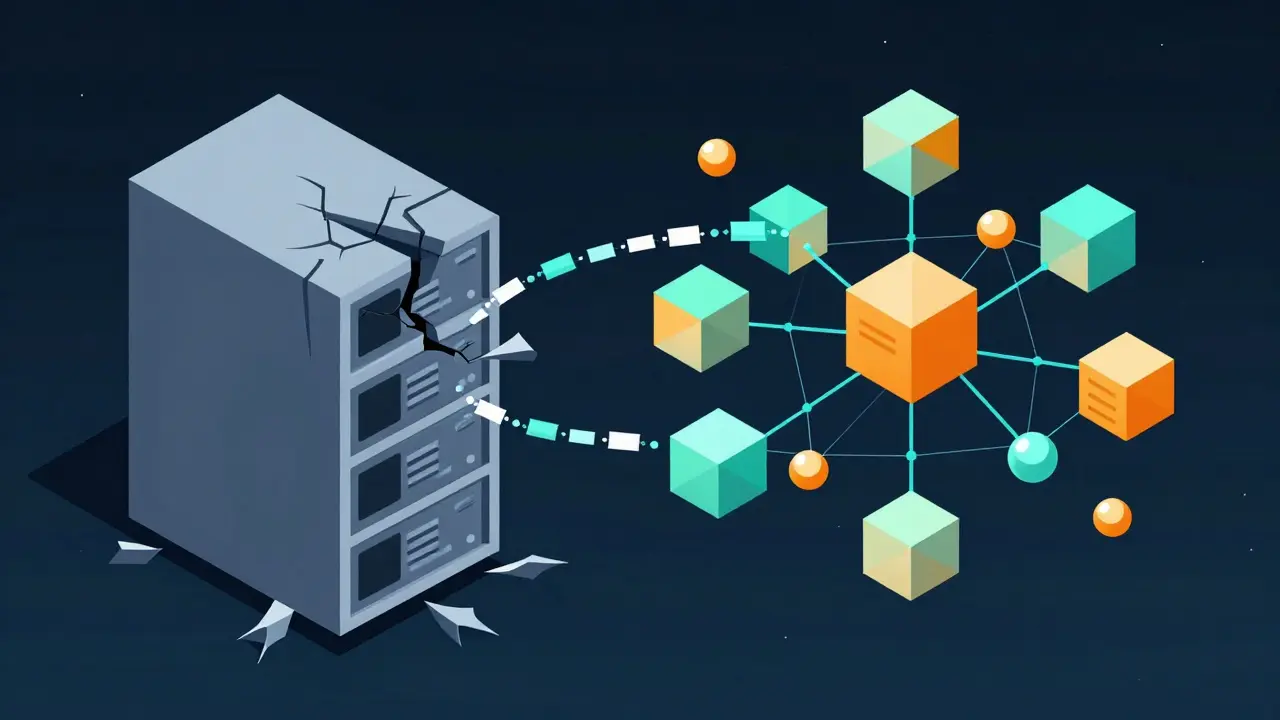
In the early days (2017-2020), many projects stored these files on centralized servers like Amazon Web Services. This created a huge risk. If the company hosting the server went bankrupt or deleted the file, your NFT would still exist, but it would point to nothing. We saw this happen with some early CryptoPunks assets becoming inaccessible. Today, the industry has shifted toward decentralized storage solutions like IPFS is InterPlanetary File System, a peer-to-peer protocol for storing and sharing files in a distributed filesystem. or Arweave. With IPFS, the file is broken into chunks and spread across many computers worldwide. Even if one computer goes offline, the file remains accessible. As of mid-2023, over 60% of new NFTs use some form of decentralized storage to ensure longevity. Always check where the metadata is stored before buying; if it says “AWS” or a random website URL, be cautious.
Ethereum vs. The Alternatives
While Ethereum hosts about 80% of all NFT activity, it isn’t the only game in town. The choice of blockchain affects cost, speed, and environmental impact. Here is how the major players compare:
| Blockchain | Avg. Minting Cost | Speed/Finality | Best For |
|---|---|---|---|
| Ethereum is The leading blockchain for high-value NFTs and established marketplaces. | $1.20 - $15.00+ | 13-15 seconds | High-value art, blue-chip collections |
| Solana is A high-performance blockchain known for low fees and fast transactions. | ~$0.00025 | Near-instant | Gaming, frequent trading, micro-transactions |
| Polygon | ~$0.02 | Fast | Ethereum-compatible apps needing lower costs |
| Tezos | ~$0.01 | 30-60 seconds | Eco-conscious creators, digital art |
Ethereum remains the king of liquidity and prestige. Most major marketplaces like OpenSea prioritize it. However, the gas fees (transaction costs) can be unpredictable. During busy times, minting an NFT can cost more than the item is worth. Solana offers a stark contrast with near-zero fees and instant speeds, making it ideal for games where you might trade items dozens of times a day. Polygon acts as a bridge, offering Ethereum compatibility but with significantly lower costs. Your choice depends on your goals: if you want to invest in high-end digital art, Ethereum is likely where the buyers are. If you’re building a game with thousands of daily users, Solana or Polygon makes more financial sense.
The Reality of Value and Risk
Let’s talk about the elephant in the room: money. The NFT market exploded in 2021, hitting nearly $45 billion in volume. Since then, it has corrected significantly. Experts note that only about 1.3% of NFT collections maintain their value after a year. This volatility is real. Many buyers enter thinking they are flipping digital assets for quick profit, only to find themselves holding worthless tokens when the hype dies down.
There are also significant risks beyond price drops. Scams are rampant. In 2023, reports showed that nearly half of new buyers lost money due to scams or poor timing. Common traps include “rug pulls,” where developers abandon a project after collecting funds, or phishing sites that steal your wallet credentials. Unlike a credit card chargeback, blockchain transactions are irreversible. If you send ETH to a scammer, it’s gone forever. Security is your responsibility. Using hardware wallets (physical devices that store your keys offline) and verifying URLs carefully are non-negotiable habits for anyone entering this space.
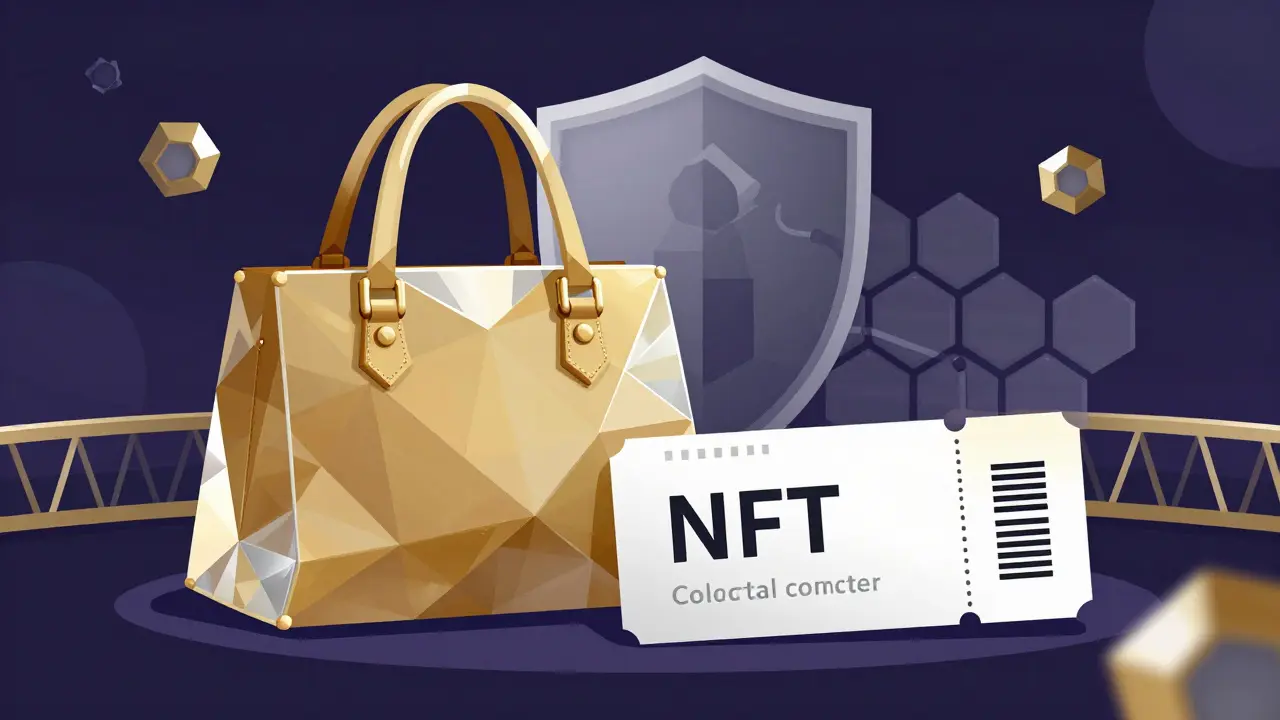
However, it’s not all doom and gloom. The utility of NFTs is expanding beyond speculative art. Companies like Walmart and LVMH are using NFT-like tokens to track supply chains and authenticate luxury goods. Ticketmaster used NFTs for Taylor Swift’s Eras Tour to prevent scalping. These applications don’t rely on the price going up; they rely on the technology’s ability to prove authenticity and ownership securely. This shift from speculation to utility is what experts believe will sustain the technology long-term.
Getting Started: What You Need to Know
If you want to mint or buy your first NFT, the barrier to entry is lower than you think, but you need to prepare. First, you need a crypto wallet. MetaMask is the standard for Ethereum-based networks, while Phantom is popular for Solana. These wallets generate a “seed phrase”-a list of 12 or 24 words. Write this down on paper. Never share it. Never type it into a website. This phrase is the master key to your assets. Lose it, and you lose everything. There is no “forgot password” button.
Next, you need cryptocurrency to pay for the purchase and the gas fees. You can buy ETH or SOL on exchanges like Coinbase or Kraken and transfer it to your wallet. When buying, use reputable marketplaces like OpenSea, Magic Eden, or Rarible. Look for verified badges on collections. Check the contract address against official sources. Finally, start small. Treat your initial purchases as tuition fees for learning the technology. Don’t invest money you can’t afford to lose.
Do I own the copyright to the image when I buy an NFT?
Generally, no. Buying an NFT usually grants you ownership of the token itself, which proves you hold the unique identifier linked to the asset. It does not automatically transfer the intellectual property rights or copyright unless explicitly stated in the project's terms. You can display the image, but you typically cannot sell merchandise featuring it or claim you created it.
Why are NFT gas fees so high on Ethereum?
Gas fees are payments made to validators who process and secure transactions on the network. When demand for block space is high (many people transacting at once), users bid up the price to get their transaction processed faster. Ethereum prioritizes security and decentralization, which limits throughput, leading to congestion and higher fees during peak times.
Can NFTs be copied or stolen?
The underlying image file can be copied infinitely-anyone can right-click and save it. However, the NFT itself, which is the proof of ownership on the blockchain, cannot be duplicated. You can have a print of the Mona Lisa, but only the Louvre owns the original. The value lies in the verifiable scarcity and provenance of the token, not the file format.
What happens if the marketplace closes down?
Your NFT remains safe in your wallet. Marketplaces like OpenSea are just interfaces that read data from the blockchain. They do not hold your tokens. If a marketplace shuts down, you can simply connect your wallet to a different marketplace or view your assets directly via a block explorer like Etherscan. The asset lives on the chain, not on the platform.
Are NFTs environmentally friendly?
It depends on the blockchain. Older versions of Ethereum used Proof-of-Work, which consumed massive amounts of energy. However, Ethereum switched to Proof-of-Stake in 2022, reducing its energy consumption by over 99%. Other chains like Solana, Tezos, and Polygon are inherently designed to be energy-efficient, making modern NFT activities significantly less impactful than they were in 2021.
Steven Jacobowitz
June 8, 2026 AT 05:35Look, I get the hype but let's talk about the actual utility here because most of you are just gambling. The smart contract part is what matters, not the jpeg. If you don't understand ERC-721 vs ERC-1155 you're already behind. I've been in crypto since 2013 and this is basic stuff now. Stop buying monkey pictures and start reading the whitepapers. The gas fees on Ethereum are a joke right now though, seriously who can afford to mint anything? Solana is the only logical choice for gaming assets because of the speed. You want to trade items fast? Use Solana. You want prestige? Use Ethereum. But don't come crying to me when your rug pull happens.
Lee Paige
June 10, 2026 AT 04:54This whole system is designed to steal from the little guy. They tell you it's decentralized but it's all controlled by venture capitalists and insiders. I've seen the data. The 'decentralized storage' like IPFS is just another layer of obfuscation. When the servers go down, where does that leave you? Nowhere. It's a pyramid scheme wrapped in blockchain jargon. Wake up people. The government will regulate this into oblivion within two years. Mark my words.
Karthikeyan S
June 10, 2026 AT 21:45omg stop hating on everyone 😡 ur so negative why cant u just enjoy art?? i bought a bape last week and im so happy with it 💖 its worth millions soon trust me 🙄
Lee Paige
June 11, 2026 AT 19:18You are exactly the type of person they target. Emotional manipulation via emojis and false hope. There is no value there, only speculation. You are holding the bag for someone who made millions off your ignorance. It is tragic really.
Dinesh Pattigilli
June 13, 2026 AT 11:35The author clearly lacks a nuanced understanding of the underlying cryptographic principles. While the explanation of fungibility is adequate for laymen, it fails to address the critical implications of metadata mutability in ERC-721 contracts. Furthermore, the comparison to a house deed is intellectually lazy. A deed implies legal recourse; an NFT implies nothing but a ledger entry. This is pseudo-intellectual drivel masquerading as education. One must read Nakamoto to truly grasp the philosophical underpinnings of digital scarcity.
Caralee Robertson
June 13, 2026 AT 14:35I feel like a lot of people are missing the point about the community aspect. Its not just about the money or the tech. Its about finding people who share your interests. I joined a few discord servers and met some really nice folks. Sure, the prices went down but the friendships stayed. That feels pretty valuable to me honestly.
Brad Ranks
June 13, 2026 AT 22:01My life literally changed after I got into NFTs. I mean, first I lost everything then I won big then I lost it again. It was the most exciting time of my life. I cried when I sold my CryptoPunk for a profit. Then I cried harder when I bought a rug pull. Drama everywhere! You guys need to live a little. Why are you so serious? Buy something stupid and watch the world burn!
Madhu Menon
June 15, 2026 AT 11:41To own is to be owned. The concept of digital property challenges our very definition of self. Are we merely curators of code? Or are we participants in a grand digital ritual? The ape is not just an ape. It is a mirror reflecting our collective desire for status in a void. 🧘♂️✨
Narendra Kulkarni
June 16, 2026 AT 16:49hi friends! just wanted to say thanks for the info. i am new to this and it was confusing at first but now i understand a bit more. please be kind to each other ok? lets learn together 🙏
verna kennedy
June 17, 2026 AT 21:42You amateurs disgust me. Reading this post is like watching paint dry. If you cannot figure out how to use MetaMask without a tutorial, you have no business touching cryptocurrency. The market weeds out the weak. Accept your mediocrity and stay away from the blockchain before you lose your shirt. Truly pathetic.
Kelly Tenney
June 18, 2026 AT 02:14Hey everyone! Let's keep this space positive and supportive. We are all here to learn and grow together. Remember that every expert was once a beginner. Don't let the haters get you down. You've got this! 💪🌟
Greg Lewis
June 19, 2026 AT 15:53why do you care about copyright anyway its just a construct of the elite to control creativity. i think if i see it i own it. also your wallet seed phrase is probably written on a post-it note on your monitor isnt it lol. security is for cowards. live dangerously.
JEVON HALL
June 20, 2026 AT 16:21hey guys just a tip make sure you use a hardware wallet like ledger or trezor. dont store your keys on exchange. i learned this the hard way 😅 also check the contract address carefully. scams are everywhere. stay safe out there! 🛡️💰
Dr Lynea LaVoy
June 20, 2026 AT 22:54As a researcher in digital asset management, I find the section on IPFS particularly relevant. The shift from centralized AWS hosting to decentralized protocols is crucial for long-term preservation. However, users must understand that pinning services can still fail. True decentralization requires active node participation. I recommend verifying the metadata URI directly through a block explorer before any transaction. Due diligence is non-negotiable in this space.
Matthew Malone
June 22, 2026 AT 15:10Typical American greed disguised as innovation. You want to sell air to children? Disgusting. This technology should be used for national defense and supply chain security, not for trading cartoon monkeys. The fact that this is even considered 'art' shows the decline of our culture. Get a real job.
aaliyah zahid
June 24, 2026 AT 01:48Sarcasm aside, the article did mention Taylor Swift tickets which is actually a cool use case. I mean, if it stops scalpers, maybe it's not all bad? I'm just saying, look at the bright side. Also, Tezos is super eco-friendly so if you care about the planet, maybe try that instead of burning forests on Ethereum (okay, they fixed that but still). Peace out 🕊️
Erik Kirana
June 25, 2026 AT 08:18I have reviewed the technical specifications provided and found them lacking in depth. The explanation of smart contracts is superficial at best. Furthermore, the inclusion of emoji in professional discourse is unacceptable. This platform has become a circus. I demand higher standards of intellectual rigor. Do not waste my time with such trivialities. 🚫📉