The Technical Architecture of Provenance
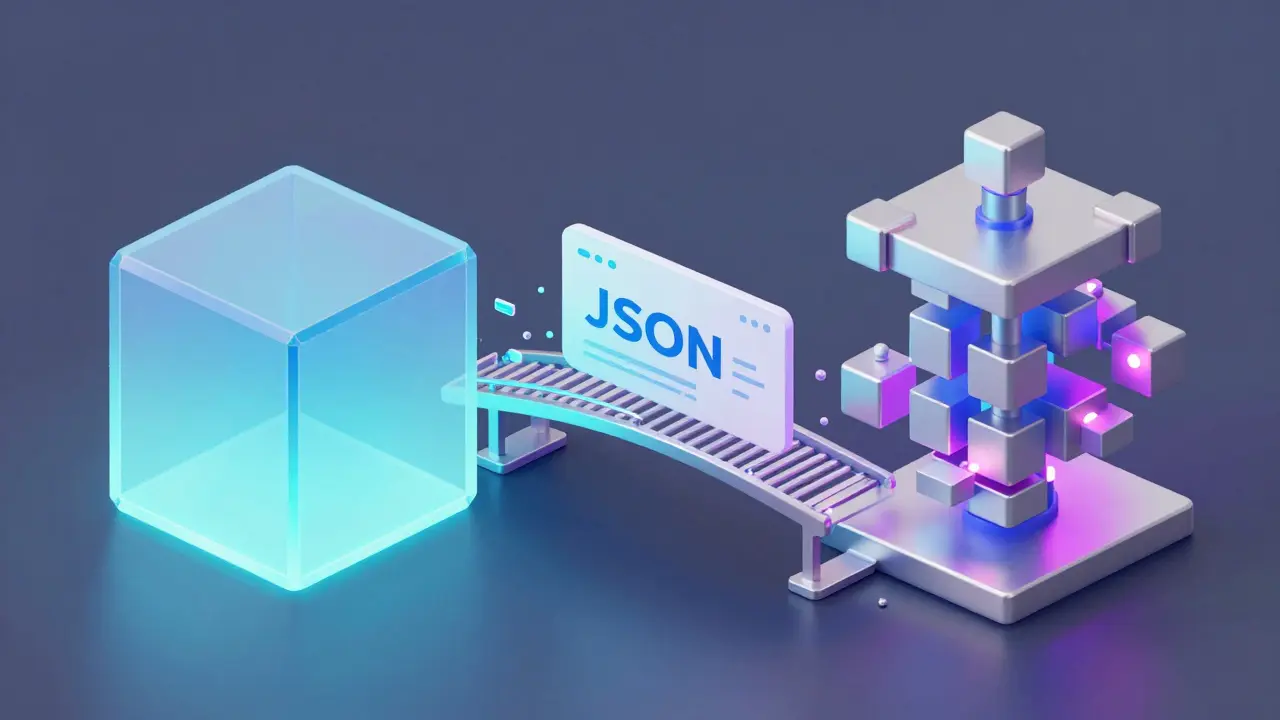
Provenance is essentially the digital paper trail of an asset. In the physical art world, you'd have a series of bills of sale and gallery certificates. In the digital world, we use a two-layer system. The blockchain layer handles the ownership (who owns token #123?), while the metadata layer handles the identity (what is token #123 and where did it come from?). When a creator mints an NFT, they use a standard like ERC-721. This standard includes a function called `tokenURI`. Think of this as a URL that points to a JSON file. Inside that JSON file, you'll find specific fields that build the provenance record:- Creator/Artist: The wallet address of the original minter.
- Creation Date: A timestamp proving when the asset first existed.
- Attributes: Specific traits (e.g., "Golden Fur" or "Laser Eyes") that define the asset's uniqueness.
- History: A log of transfers, though much of this is mirrored on the blockchain itself.
Where the Data Lives: On-Chain vs. Off-Chain
This is where most people get tripped up. Storing data directly on a blockchain is incredibly expensive. On Ethereum, storage can cost around $1,200 per MB. Because of this, 92.7% of collections use off-chain storage. However, not all off-chain storage is created equal. If you store your metadata on a private company's server, you're trusting that company to keep the lights on. If they go bust or change their terms, your provenance disappears.| Storage Type | Cost | Permanence | Provenance Risk |
|---|---|---|---|
| Centralized Server | Low | Low | High (Single point of failure) |
| IPFS | Moderate | Medium | Low (If pinned correctly) |
| Arweave | One-time fee | High | Very Low |
| On-Chain | Very High | Absolute | Zero |
The Danger of Mutable Metadata
Not all NFTs are created equal. Some creators use "mutable" metadata, which means they can change the JSON file after the NFT is minted. While this is great for gaming NFTs (where a sword might level up and change its stats), it's a disaster for provenance. If a creator can change the "artist" field or the image link, the historical record is no longer immutable. Roughly 41% of collections allow this kind of mutation. When provenance can be edited, the value of the asset often drops because you're no longer relying on math and cryptography, but on the honesty of the creator. This is why professional collectors look for "frozen" metadata-a state where the smart contract is updated to ensure the `tokenURI` can never be changed again.Real-World Failures and Lessons
We've seen what happens when provenance is handled poorly. In April 2025, the Nike CloneX collection faced a crisis when Cloudflare restricted access to their servers due to a Terms of Service violation. Even though the blockchain records were perfect, the art disappeared because the metadata pointed to a centralized server. The "provenance" was technically there, but the asset it described was gone. On the flip side, projects like "0N1 Force" have set a gold standard. They store both the metadata and the images on IPFS and include a cryptographic hash of the asset directly in the on-chain record. This creates a double-lock system: the blockchain proves who owns it, and the hash proves exactly what it is. If someone tried to swap the image on the server, the hash wouldn't match, and the fraud would be instantly obvious.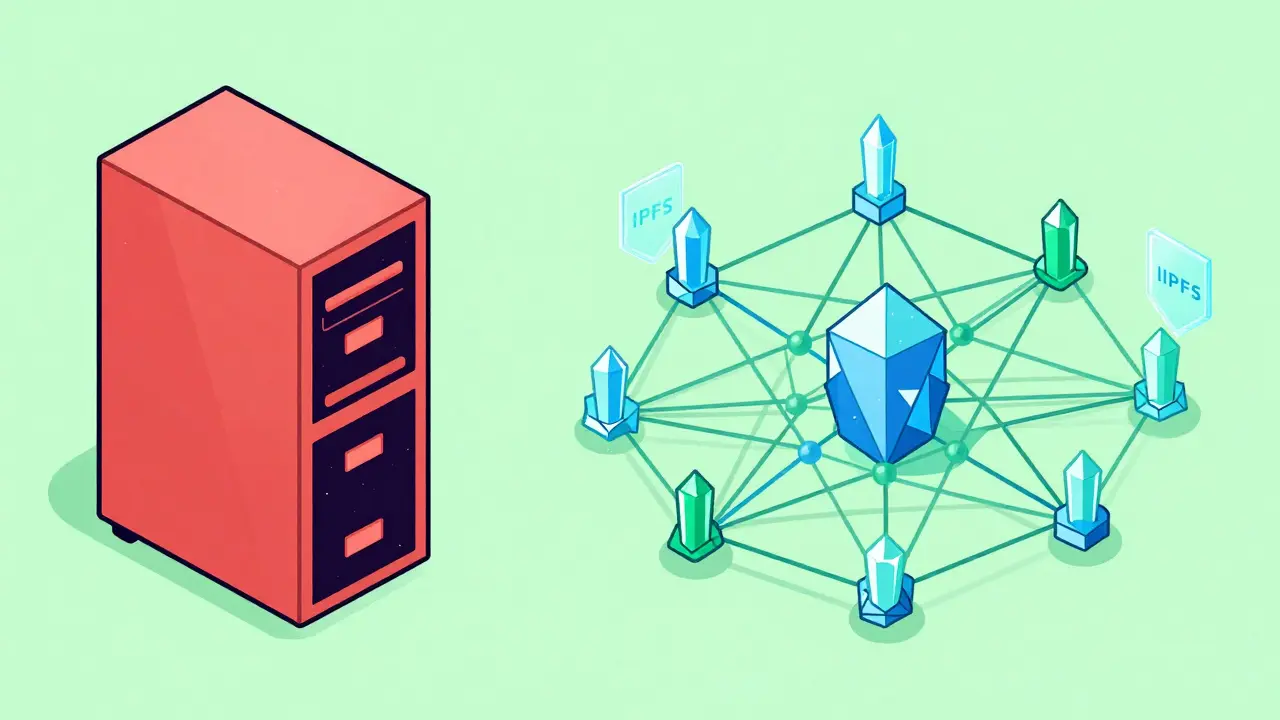
The Future of Digital History
We are moving toward a world where provenance isn't just a JSON file, but a verifiable protocol. The Ethereum Name Service (ENS) recently launched a Provenance Protocol that embeds records directly into metadata with cryptographic verification. Furthermore, the integration of Filecoin with smart contracts allows the blockchain to automatically verify that a file is still being stored by a provider, eliminating the "decay" risk associated with unpinned IPFS content. For anyone entering the space, the rule of thumb is simple: if the metadata is on a centralized server, you don't own the art; you own a lease. True provenance requires decentralized storage and immutable links. As the market for digital assets grows toward a projected $1.2 billion in storage value by 2027, the gap between "cheap" and "permanent" provenance will define which assets hold value and which become digital ghosts.What is the difference between on-chain and off-chain metadata?
On-chain metadata is stored directly within the blockchain's state, making it virtually impossible to delete but extremely expensive. Off-chain metadata is stored on external servers or decentralized networks (like IPFS), and the blockchain only stores a link (URI) to that data. Most NFTs use off-chain storage to save costs.
Can an NFT creator change the metadata after minting?
Yes, if the smart contract is designed with "mutable" metadata. This allows the creator to update the JSON file. However, for high-value art, creators usually "freeze" the metadata to ensure the provenance remains permanent and untampered with.
Why is IPFS better for provenance than a standard website link?
Standard links point to a location (URL), which can be changed or deleted. IPFS uses content-addressing (CIDs). The link is based on the file's actual data. If the file changes, the link breaks. This ensures that the asset you see is exactly the one the creator minted.
What happens if the metadata server goes down?
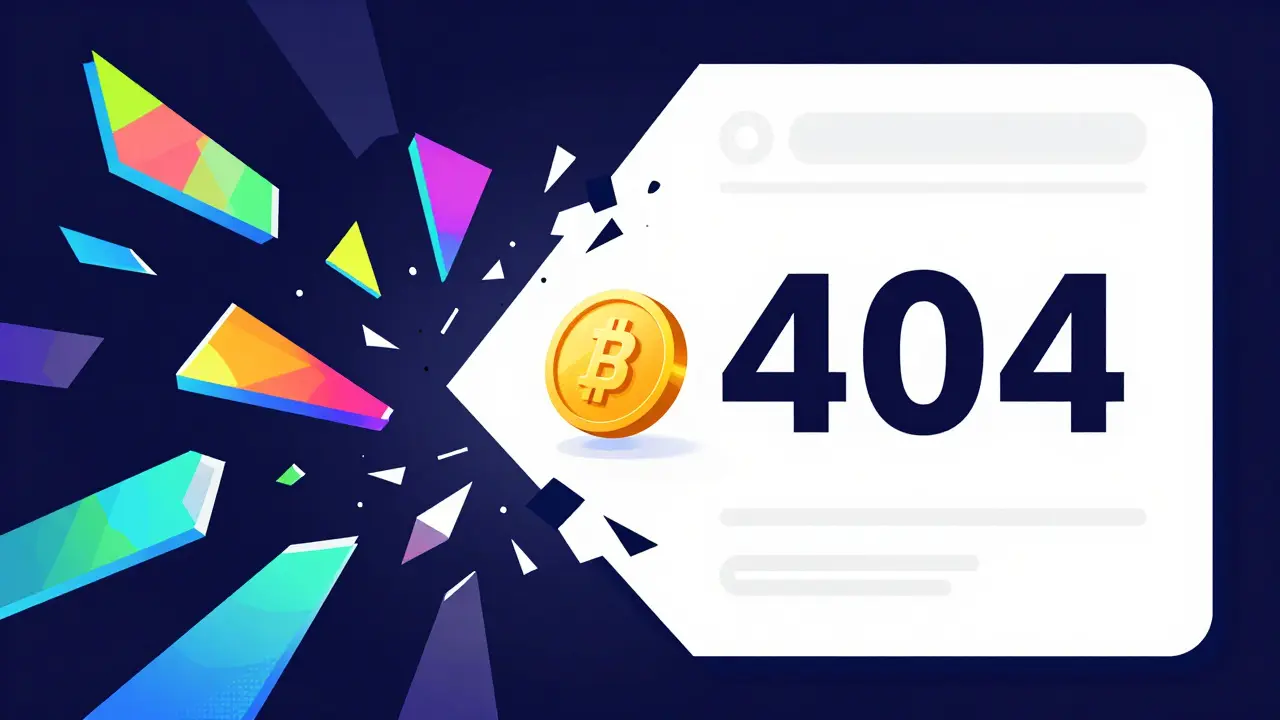
If the metadata is on a centralized server and that server goes down, your NFT will appear as a blank square or a 404 error. You still own the token on the blockchain, but the visual asset and its descriptive provenance are inaccessible.
What is the role of the tokenURI in ERC-721?
The tokenURI is a function in the ERC-721 smart contract that tells the marketplace or wallet where to find the metadata JSON file. It is the essential link that connects the blockchain token to the actual art and provenance data.
Noel Mandotah
April 30, 2026 AT 07:33Groundbreaking stuff. Truly. Imagine being shocked that a website link can break. Absolute tragedy.
Michael Repak
April 30, 2026 AT 11:13This is such a fantastic breakdown!!! I really appreciate how you simplified the technical side of things!!! Keep it up!!!
Iestyn Lloyd
May 2, 2026 AT 10:15The distinction between IPFS and standard URLs is a crucial point for anyone serious about digital ownership. It's a common point of confusion in the UK community as well.
VIVEK SINGH
May 2, 2026 AT 10:50Oh, look at this 'complete guide' explaining things that anyone with half a brain already knows about CIDs and JSON files. How quaint. You act as if decentralized storage is some magic pill, while ignoring the fact that if the node isn't pinned, your precious art still vanishes into the void. It's just a different way to lose your money, really. I love how we pretend this is 'innovation' when it's just basic database management with extra steps. Truly an inspiration to us all.
Brendan Thraxton
May 3, 2026 AT 18:33great way to explain it i think more people will get into web3 after reading this clear guide keep sharing your knowledge
April D Thompson
May 4, 2026 AT 21:38It's just so wild to think about the fragility of our digital memories! Like, we're out here building these towering monuments of value on a foundation of sand. If the link breaks, the soul of the piece is just... gone. It's a poetic tragedy of the modern age, honestly. We're basically just trading ghosts in a machine!
Emily A
May 5, 2026 AT 20:38The author's assertion that 41% of collections allow mutable metadata is a staggering statistic that highlights the sheer negligence prevalent in current minting practices. It is imperative that collectors exercise due diligence by scrutinizing the smart contract's freeze function before committing capital.
Aaron Zeiler
May 6, 2026 AT 05:09arweave is definitely the way to go for permanent storage because the one time payment actually makes sense for artists
Kara Spadone
May 7, 2026 AT 03:47Most people just don't have the spiritual maturity to understand true ownership 🙄 the 404 error is just a mirror of their own internal void ✨
Andrew Todd
May 8, 2026 AT 14:10This is all trash. Only the US knows how to do real business. These digital toys are for losers who can't buy real land.
edie rosa
May 10, 2026 AT 04:50It's honestly disgusting how creators just fleece people with mutable metadata and then act surprised when the community finds out they were lying. This isn't just a technical failure; it's a moral vacuum where profit outweighs the basic honesty of an artist's promise. We see this pattern everywhere in the space and it's just exhausting to watch the same cycle of greed and betrayal play out over and over again while the 'experts' just call it a learning curve.
Rachel S
May 11, 2026 AT 20:27The inclusion of the Nike CloneX example is quite poignant. It serves as a stark reminder that centralization is the antithesis of the blockchain's original promise. :(
Very well articulated guide!
Gabby Puche
May 12, 2026 AT 08:35Love the table! Makes it so easy to see the risks 💖 stay safe out there collectors! 🚀✨
Sri Astuti
May 14, 2026 AT 02:07The analysis provided here is superficial at best because it fails to address the systemic latency issues associated with IPFS gateways which often leads to the very 404 errors the author claims to despise, and frankly, the obsession with 'provenance' is just a coping mechanism for the fact that most of these assets have zero intrinsic value anyway 🙄
Barbara Jones
May 14, 2026 AT 05:57im just a beginner but this helpd a lot thanks for making it easy to understand!!
Lynne Teperman
May 14, 2026 AT 10:43wildly chaotic how some people trust a link more than a hash. that's some real digital gambling right there
Elle Kharitou
May 15, 2026 AT 20:58Looking at this from a broader perspective, the movement toward verifiable protocols like ENS's provenance system is such a beautiful evolution of how we define trust in a digital ecosystem. 🌿 It reminds me of the way indigenous cultures passed down oral histories-not through a single one-way record, but through a network of verification and community consensus that ensures the truth remains intact over generations, and I find it truly inspiring that we are attempting to replicate that kind of ancestral integrity using cryptographic hashes and decentralized nodes! 🌏✨
Rushell Perry
May 16, 2026 AT 17:41if you are worried about your art disappearing you can always try pinning your own files using a service like pinata it really helps keep things secure