
By December 2025, if you're trading, holding, or issuing cryptocurrency in Hong Kong, you're not just dealing with market swings-you're navigating one of the world’s strictest and most structured crypto regulatory systems. There’s no single law called the "Virtual Assets Ordinance 2025," but that’s exactly what people mean when they talk about it. What actually exists is a layered, phased regulatory framework that came into force this year, and it’s changing everything for crypto users, businesses, and investors. This isn’t about banning crypto. It’s about controlling it. And if you’re active in the space, you need to know exactly what’s required-and what’s banned.
What’s Actually Regulated Now?
The first piece of this puzzle is the Stablecoins Ordinance, which took effect on August 1, 2025. This law doesn’t touch Bitcoin or Ethereum. It targets one thing: fiat-referenced stablecoins. These are digital tokens like USDT or USDC that claim to be worth exactly $1 because they’re backed by real money-dollars, euros, or Hong Kong dollars. Under this new rule, any company issuing these tokens in Hong Kong must get a license from the government. They have to prove they hold enough real cash or safe assets to cover every token in circulation. No guessing. No offshore reserves. No risky investments. Just plain, auditable backing. But here’s the catch: not all digital tokens count. Tokens used only inside games, loyalty programs, or as security tokens (like shares in a company) are completely out of scope. That’s intentional. The regulators wanted to avoid overlapping with existing financial laws. But it also means some firms might try to reclassify their tokens to slip through the cracks. The SFC warns this could create "regulatory arbitrage opportunities"-a fancy way of saying loopholes.Who Needs a License and What Does It Cost?
If you’re running a crypto exchange, custody service, or trading platform in Hong Kong, you need a VA dealing and custody license. These licenses don’t exist yet-but they’re coming in 2026. The rules are already written. To apply, you need:- A minimum capital of HK$129,730 (about $16,600 USD)
- At least one "responsible officer" with three years of experience managing crypto portfolios
- 24/7 active monitoring of all client assets
- Dual approval for every wallet whitelisting (meaning two people must sign off before a new address is approved)
- Strict cybersecurity standards that force firms to use multi-signature wallets and blockchain analytics tools like Chainalysis
Who’s Being Left Out?
The rules are designed for institutions, not everyday users. Retail investors-regular people buying Bitcoin on their phones-aren’t banned. But they’re being gently pushed to the sidelines. Before you can trade crypto through a Hong Kong-licensed platform, the firm must assess your knowledge of digital assets. If you can’t explain what a private key is or how a blockchain works, they might refuse your application. The goal? Keep inexperienced traders away from risky products. Even worse for small businesses: the dual approval system for wallet whitelisting. It’s meant to prevent fraud. But in practice, it slows everything down. Firms report transaction processing times increased by 30-40%. One Hong Kong startup told me they lost a client because a simple withdrawal took three days to get approved. That’s not innovation. That’s bureaucracy.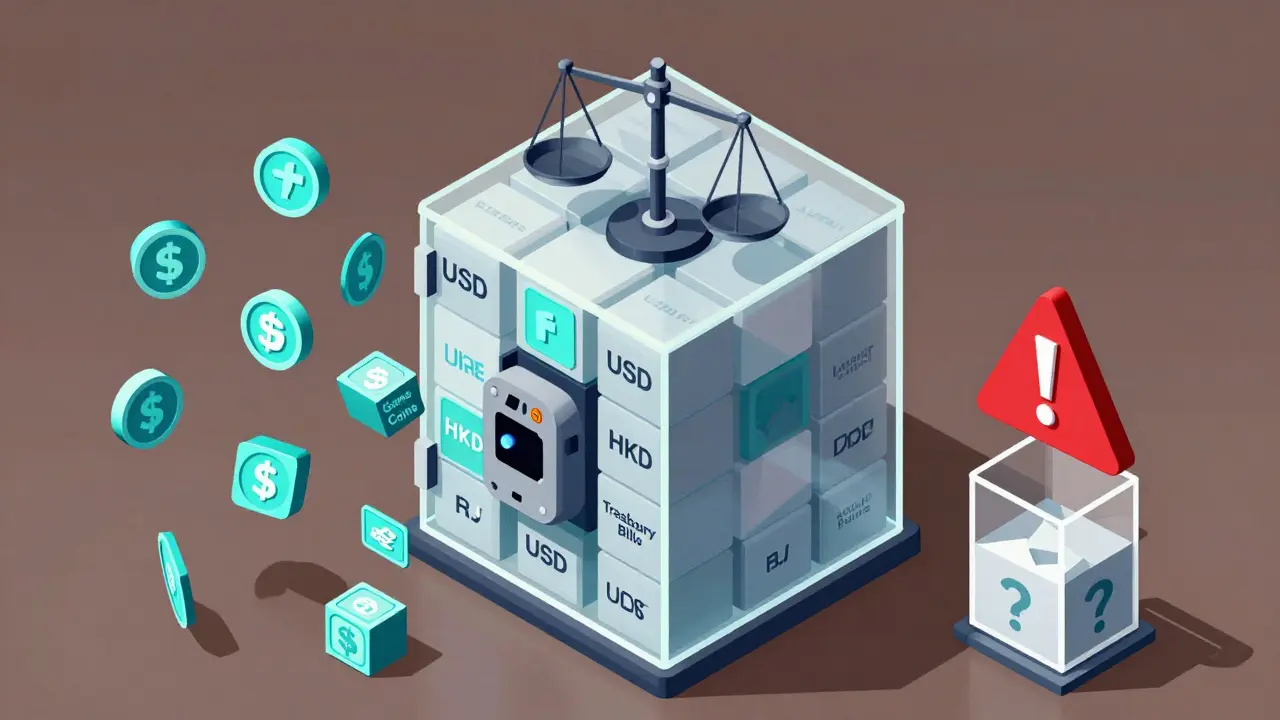
Where Can You Trade?
If you’re a fund manager or institutional investor, you can only trade crypto through exchanges that are licensed in Hong Kong-or in five other approved jurisdictions: the U.S., the U.K., Dubai, Japan, and Singapore. No Binance. No Bybit. No KuCoin. No anonymous platforms. The SFC says this protects investors. The industry says it kills liquidity. Think about it: if you’re managing a $100 million crypto portfolio, and you can only trade on three platforms, you’re not getting the best prices. You’re getting whatever those few exchanges offer. That’s why some firms are already moving operations to Singapore or Switzerland, where rules are looser.What’s Coming Next?
By December 15, 2025, the SFC will publish exact rules on what counts as "qualified reserves" for stablecoins. Right now, issuers aren’t sure if they can hold U.S. Treasury bills, bank deposits, or even gold-backed tokens. This uncertainty is holding back new stablecoin launches. In Q2 2026, the HKMA will launch a regulatory sandbox for cross-border stablecoin transfers. Big banks like HSBC, Standard Chartered, and Bank of China (Hong Kong) will test how fast and safe these transactions can be. If it works, we could see stablecoins used for international payments within a year. By 2027, the government plans to review how to regulate NFTs. Right now, NFTs are in legal gray area. Are they collectibles? Securities? Payment tools? The answer will shape whether NFT marketplaces need licenses-and whether artists can sell digital art from Hong Kong without legal risk.
How Are Firms Responding?
Some are leaving. At least 12 crypto firms delayed their Hong Kong entry because they couldn’t meet the cybersecurity or capital requirements. Others are adapting. Over 80% of compliant custody firms now use multi-signature wallets. Two-thirds use Chainalysis to track suspicious transactions. And 78% of Asian crypto firms say they prefer Hong Kong’s phased rollout over Singapore’s all-at-once approach. The Hong Kong Fintech Association has set up a help line with 47 experts. Since June, they’ve answered over 1,200 questions. Average response time? Just 1.7 business days. That’s fast for a government system. But here’s the real story: institutional crypto activity in Hong Kong has jumped from $185 billion to $287 billion in just 18 months. There’s money here. And the government knows it. They’re not trying to kill crypto. They’re trying to own it.What Should You Do?
If you’re a retail investor: stick to platforms that are licensed in Hong Kong or the U.K. Don’t use unregulated apps. Your money is safer there. If you’re a business owner: start preparing now. Hire someone with crypto compliance experience. Get your cybersecurity audit done. Map out your wallet approval process. The clock is ticking. Applications for VA licenses open in early 2026, and the SFC says they’ll process them in 120 days max. That’s not a lot of time if you’re starting from scratch. If you’re an issuer of stablecoins: get your reserves in order. Document everything. The December 15 guidelines will be the final word. Don’t wait. This isn’t a temporary crackdown. This is the new normal. Hong Kong isn’t banning crypto. It’s building a fortress around it. And if you want to play in this game, you’ll have to play by their rules.Is the Virtual Assets Ordinance 2025 a real law?
No, there isn’t a single law called the "Virtual Assets Ordinance 2025." That’s just shorthand for Hong Kong’s new crypto regulatory framework, which includes the Stablecoins Ordinance (effective August 1, 2025) and upcoming licensing regimes for VA dealers and custodians (coming in 2026). The term is used informally to describe the entire system.
Can I still buy Bitcoin in Hong Kong?
Yes, but only through licensed platforms. Retail investors can still buy and hold Bitcoin, Ethereum, and other cryptocurrencies-but only via exchanges and intermediaries that are registered with the SFC. Unlicensed platforms are blocked from targeting Hong Kong users. If you’re using a non-compliant app, you’re at risk of losing access to your funds or facing legal issues.
Do I need a license if I’m just holding crypto?
No. Individual investors who hold crypto for personal use don’t need a license. The rules apply only to businesses that issue stablecoins, trade crypto on behalf of others, or custody assets for clients. If you’re buying Bitcoin on your phone and holding it in your own wallet, you’re not regulated.
Why are there so many restrictions on trading?
Hong Kong’s regulators want to prevent fraud, money laundering, and market manipulation. By limiting trading to licensed exchanges in approved jurisdictions, they reduce exposure to rogue platforms. They also require firms to verify client identities and monitor transactions 24/7. It’s designed to protect investors-but it also makes trading less flexible and more expensive.
What happens if I use an unlicensed exchange?
Using an unlicensed exchange won’t get you arrested. But if the platform gets shut down by regulators, you could lose access to your funds. Also, if you’re involved in large transactions, authorities might flag your activity for AML investigations. There’s no legal protection for users on unlicensed platforms, and recovering lost crypto is nearly impossible.
Will this framework affect crypto prices?
In the short term, yes. Liquidity is tighter because trading is restricted to fewer platforms. That can cause price volatility. But long-term, Hong Kong’s clarity is attracting institutional money. Asset managers are launching tokenized funds worth billions. As more big players enter, demand could rise, potentially pushing prices up. The real impact won’t be on retail prices-it’ll be on who controls the market.
Sally Valdez
December 15, 2025 AT 19:44Oh wow, Hong Kong’s building a crypto prison and calling it ‘regulation.’ So now I need a license just to hold Bitcoin? Next they’ll require a permit to breathe air. This isn’t protection-it’s state-sponsored FOMO suppression. They want to control the money, not protect people. Meanwhile, real freedom is on-chain, in self-custody, and they know it. #FreeCrypto #NotYourBank
Sammy Tam
December 17, 2025 AT 18:48Man, I’ve been watching this unfold and honestly? It’s kind of beautiful. Hong Kong’s not trying to kill crypto-they’re trying to make it *respectable*. Yeah, the rules are tight, but look at the numbers: institutional volume jumped 55% in 18 months. That’s not coincidence. They’re turning chaos into class. The bureaucracy? Annoying, sure. But when your portfolio’s worth half a mil, you’ll thank them when the rug doesn’t get pulled.
Jonny Cena
December 19, 2025 AT 06:20For anyone stressing about the dual approval thing-take a breath. It’s a pain now, but it’s saving people from dumb mistakes. I’ve seen friends get hacked because they clicked one sketchy link. This isn’t red tape-it’s armor. And if you’re a small biz owner, hire a compliance person. It’s cheaper than losing your life’s savings. You got this.
George Cheetham
December 20, 2025 AT 02:46There’s a deeper philosophical shift here. For decades, crypto was the rebellion against centralized control. Now, we’re seeing the rebellion *become* the system. Hong Kong isn’t just regulating-it’s institutionalizing the revolution. It’s like the anarchists built a cathedral. The irony is thick, but the result? A market that can scale without collapsing. Maybe freedom doesn’t mean no rules. Maybe it means the right rules.
Dionne Wilkinson
December 20, 2025 AT 11:29I get why people are mad, but I think we’re missing the point. This isn’t about banning us. It’s about protecting people who don’t know what a private key is. I’ve seen my aunt lose $8k to a fake app. That’s not crypto’s fault-that’s human vulnerability. If these rules keep even one person from getting wrecked, it’s worth it.
Emma Sherwood
December 20, 2025 AT 19:53As someone who grew up in a country where financial chaos was the norm, I see this as a gift. Hong Kong’s not just building rules-they’re building trust. And trust is the real currency. Yeah, it’s slower. Yeah, it’s bureaucratic. But if you want to move real money across borders without getting flagged by every cop in Asia, this is the path. Stop complaining. Adapt.
Mark Cook
December 22, 2025 AT 08:22LOL at the ‘fortress’ metaphor. More like a gilded cage with a 7-year prison sentence if you sneeze wrong. 😂
Bradley Cassidy
December 23, 2025 AT 13:17so like… if i hold btc in my ledger and never trade it, im fine right? like i dont need to register or anything? just wanna make sure i dont accidentally commit a crime lmao
Shruti Sinha
December 25, 2025 AT 12:47Interesting how the regulatory framework mirrors Singapore’s approach but with more teeth. The emphasis on auditability for stablecoins is smart-most failures in crypto stem from fractional reserves and opacity. Hong Kong is addressing root causes, not symptoms. Well done, if overly cautious.
Cheyenne Cotter
December 27, 2025 AT 05:14Okay, so let me get this straight-because some guy in his basement ran a fake exchange and stole people’s money, now every single person who owns crypto has to jump through 17 hoops just to buy a few hundred bucks worth of ETH? And we’re supposed to be impressed by this? The real problem isn’t the users-it’s the fact that governments still think they can control decentralized systems with paperwork and prison time. You can’t regulate blockchain. You can only make it inconvenient for the people who don’t know any better. And guess what? Those are the people who will just leave and never come back. So congrats, Hong Kong-you just killed your own market’s growth potential.
Sean Kerr
December 29, 2025 AT 02:52Yo, if you’re a small biz owner reading this-don’t panic! I know the dual approval thing sounds like a nightmare, but my friend’s firm got it set up in 3 weeks with a $500 template from CoinComply. Just use multi-sig, hire a part-time compliance nerd on Upwork, and boom-you’re golden. 🙌 It’s not perfect, but it’s doable. You got this!!
Heather Turnbow
December 30, 2025 AT 15:10The distinction between institutional and retail regulation is both prudent and necessary. The requirement for KYC/AML monitoring on licensed platforms does not infringe upon the rights of individuals who hold assets in self-custody. The framework, while complex, demonstrates a mature understanding of systemic risk. One must distinguish between innovation and irresponsibility.
Jesse Messiah
December 31, 2025 AT 17:40Just wanted to say-this is actually one of the most balanced crypto regs I’ve seen. Not too loose, not too crazy. And the fact that they’re letting retail people trade on licensed platforms? That’s huge. I’m proud of Hong Kong for stepping up. Keep it up!
Rebecca Kotnik
January 2, 2026 AT 03:10While the regulatory architecture presented herein is undoubtedly intricate and imposes significant operational burdens upon market participants, it is nonetheless a necessary evolution in the maturation of digital asset markets. The absence of such a framework in prior years allowed for unchecked speculation, fraudulent activity, and systemic fragility. The phased implementation, coupled with transparent guidelines and institutional support mechanisms, reflects a sophisticated, long-term vision. The notion that this constitutes repression is a mischaracterization; it is, rather, the establishment of a foundation upon which sustainable, scalable, and ethically sound financial innovation can be constructed. The alternative is not freedom-it is chaos.