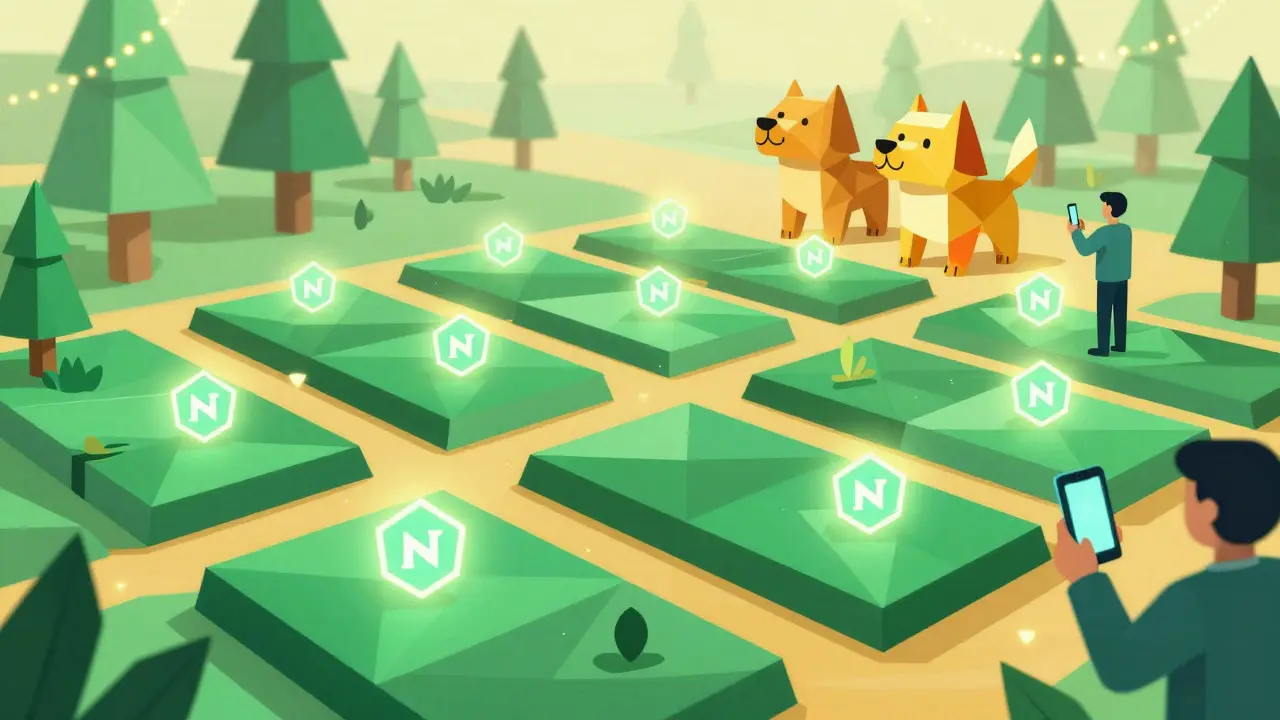
You’ve seen the headlines buzzing about the DogemonGo is a metaverse augmented-reality play-to-earn game featuring a landlord system where users own land and earn while others play on it. Specifically, there’s chatter circulating around a potential "Christmas" themed airdrop for their Metaverse Landlord NFTs. It sounds like free money-or at least free digital assets that could generate passive income. But in the world of crypto, if something sounds too good to be true, you need to pause and verify before you click.
As we navigate through late 2025 and into the holiday season of 2026, distinguishing between legitimate project rewards and sophisticated scams is more critical than ever. This guide breaks down what we know about DogemonGo, how their landlord model works, what to look for in an official airdrop, and most importantly, how to protect your wallet from imposters.
Understanding the DogemonGo Ecosystem
To understand the value of an airdrop, you first need to understand the asset being given away. DogemonGo isn’t just another meme coin wrapper; it attempts to blend the mechanics of Pokémon GO with blockchain ownership. The core innovation here is the Landlord System, which allows players to purchase virtual land parcels within the game's map.
Here’s how the economy functions:
- Land Ownership: You buy or are gifted a plot of land represented by an NFT.
- Passive Income: When other players visit your land to catch Dogemons (the in-game creatures), they pay a small fee or share a portion of their earnings with you.
- Token Utility: The native DOGO token serves as the primary currency for transactions, upgrades, and staking within the ecosystem.
The "Landlord NFT" is therefore not just a collectible picture; it’s a revenue-generating tool. If a Christmas airdrop were to distribute these, it would effectively be handing out mini-businesses to eligible users. This makes it a high-value target for scammers who want to trick people into connecting their wallets to malicious sites.
The Reality of the "Christmas Airdrop" Claims
Let’s address the elephant in the room: Is there an official, verified Christmas 2025/2026 airdrop for DogemonGo Landlord NFTs? As of early 2026, comprehensive documentation confirming a specific *holiday-themed* mass distribution is scarce in official channels. While DogemonGo has conducted previous distributions-such as collaborations with platforms like CoinMarketCap-the specifics of a "Christmas" event require extreme caution.
In the crypto space, timing is often used as a psychological trigger. Holidays create a sense of urgency and generosity. Scammers exploit this by creating fake landing pages that mimic the official DogemonGo branding, promising "free Landlord NFTs" if you connect your MetaMask or Phantom wallet.
Before assuming any current buzz is legitimate, check these three criteria against any announcement you see:
- Official Source Verification: Does the link come directly from
dogemongo.comor their verified Twitter/X handle? Be wary of links shortened by Bitly or hosted on generic domains. - No Upfront Fees: Legitimate airdrops rarely ask you to pay a "gas fee" or "verification tax" to receive them. If you have to send DOGE or ETH to a random address to get your NFT, it’s a scam.
- Wallet Permissions: Official airdrops usually only request basic read access. If a site asks for unlimited approval to spend your tokens, disconnect immediately.
How to Verify Legitimacy: A Step-by-Step Checklist
If you believe you’ve found a genuine opportunity, run it through this verification process. This applies to DogemonGo and any other play-to-earn project.
1. Check the Smart Contract Address
Every legitimate NFT collection has a unique contract address on the blockchain. For DogemonGo, find the official contract address listed on their website or trusted aggregators like CoinGecko or CoinMarketCap. Compare this address with the one the airdrop site is trying to interact with. If they don’t match exactly, walk away.
2. Analyze Community Sentiment
Join the official Discord or Telegram groups. Search for keywords like "Christmas airdrop" or "Landlord drop." Are official moderators pinning announcements? Or are users complaining about phishing links? Real communities are vocal about scams.
3. Look for Historical Precedents
DogemonGo has a history of using platforms like Zealy for quest-based rewards. In late 2025, many projects shifted toward "quest-to-earn" models where users complete social tasks (following, retweeting, joining Discord) to qualify for points, which are later converted into tokens or NFTs. A direct "click-and-get" airdrop is less common now due to bot abuse. If the offer seems too simple, it likely is.
Avoiding Common Airdrop Scams
The crypto industry lost billions to airdrop scams in 2024 and 2025. Here are the most prevalent tactics targeting users interested in projects like DogemonGo:
| Scam Tactic | What Happens | Legitimate Practice |
|---|---|---|
| Phishing Sites | Fake websites that look identical to the real project but steal private keys or seed phrases. | Always bookmark the official URL. Never click links from DMs or unsolicited emails. |
| "Gas Fee" Fraud | You’re asked to send a small amount of crypto to "unlock" your reward. The money disappears. | Rewards are sent to your wallet. You may pay network gas fees yourself via your wallet interface, but never send funds to a third party. |
| Malicious Approvals | You sign a transaction that gives a hacker permission to drain your existing tokens. | Use tools like Revoke.cash to check active approvals. Only approve known, verified contracts. |
| Impersonation | Scammers pose as support staff in Discord/Telegram, offering help if you move funds to a "secure wallet". | Official support will never ask for your seed phrase or private key. They will never DM you first. |

Strategic Participation: If It Is Real
Assuming you verify that a DogemonGo Landlord NFT airdrop is indeed happening, how do you maximize your benefit? First, ensure your wallet is ready. Most AR games operate on Ethereum-compatible chains (like Polygon or BNB Chain) to keep transaction costs low. Make sure you have a small amount of the native chain token (e.g., MATIC or BNB) for gas fees when you eventually claim or trade the NFT.
Second, consider the long-term value. A Landlord NFT is only valuable if the game has active users. Before investing time in qualifying for an airdrop, check the game’s daily active user (DAU) metrics. If the player base is shrinking, the NFT might become worthless quickly. Use platforms like DappRadar to check engagement trends.
Finally, diversify your risk. Don’t put all your crypto eggs in one basket. If you receive the NFT, decide early whether you plan to hold it for rental income, sell it on a marketplace like OpenSea, or use it to breed higher-tier Dogemons. Each strategy has different tax implications and effort requirements.
Conclusion: Stay Sharp, Stay Safe
The allure of free Metaverse Landlord NFTs from DogemonGo is strong, especially during the festive season when projects aim to boost community engagement. However, the lack of widespread, officially documented details about a specific "Christmas" airdrop suggests you should proceed with skepticism. Rely on official channels, verify contract addresses, and never rush into signing transactions. In crypto, patience and verification are your best defenses against losing hard-earned assets.
Is the DogemonGo Christmas Landlord NFT airdrop real?
As of early 2026, there is no universally confirmed, official announcement for a specific "Christmas" themed mass airdrop of Landlord NFTs from DogemonGo. While the project has done previous drops, users should verify any claims through the official dogemongo.com website or verified social media accounts to avoid scams.
What is a DogemonGo Landlord NFT?
A Landlord NFT represents ownership of a virtual land parcel in the DogemonGo metaverse. Owners can earn passive income (usually in DOGO tokens) when other players visit their land to catch in-game creatures.
How can I tell if an airdrop site is a scam?
Check the URL carefully for typos, verify the smart contract address matches the official one listed on CoinGecko or the project’s site, and ensure the site doesn’t ask for your seed phrase or upfront payments to "unlock" rewards.
Do I need to pay to claim a legitimate airdrop?
You typically only pay standard network gas fees (via your own wallet) to process the transaction. You should never send cryptocurrency directly to a third-party address or person to receive an airdrop.
Which blockchain does DogemonGo use?
DogemonGo generally operates on Ethereum-compatible networks such as Polygon or BNB Chain to facilitate low-cost transactions for its play-to-earn mechanics. Always check the current supported networks on their official docs.