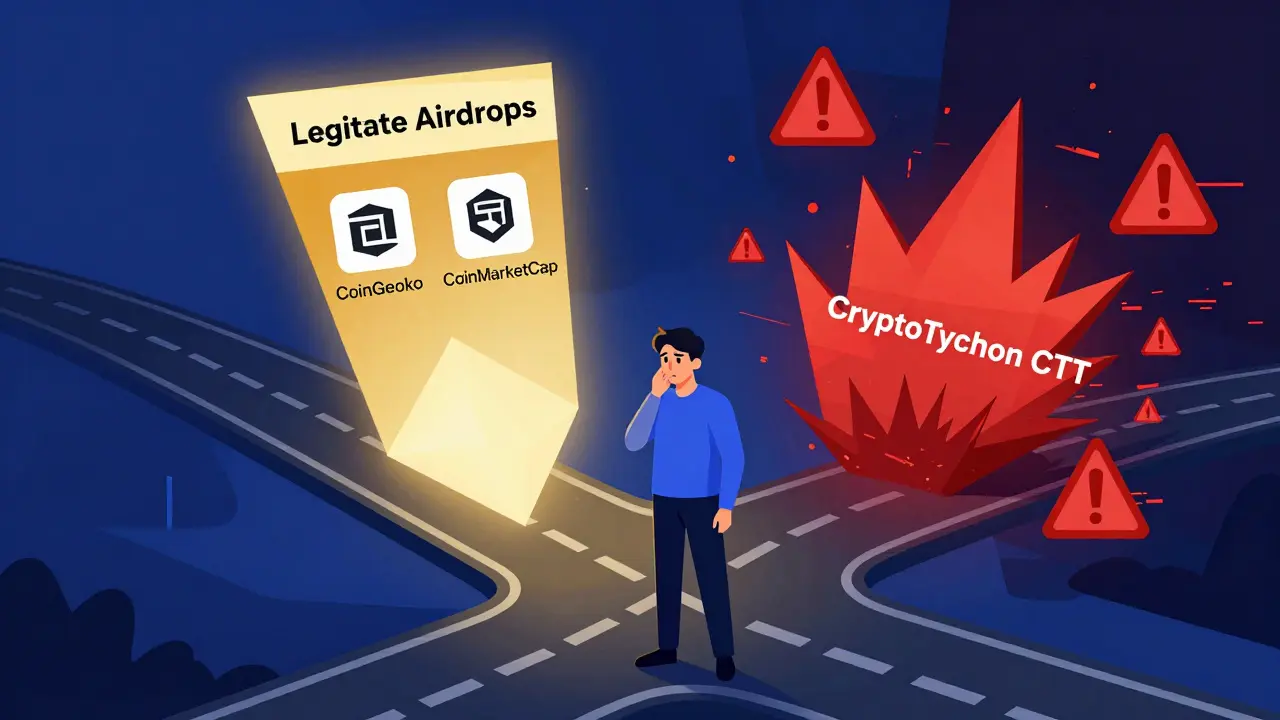
Have you seen the buzz about the CryptoTycoon airdrop? You aren't alone. Social media feeds are flooded with promises of free tokens, specifically looking for details on the CTT token. But here is the hard truth that most hype posts skip: there is no verified, official information about a project called "CryptoTycoon" distributing "CTT" tokens as of May 2026.
This silence from major data sources is actually the most important piece of news you can read today. In the world of crypto, if it isn't listed on CoinGecko, CoinMarketCap, or announced directly by the developers' verified channels, it doesn't exist-or worse, it's a trap. Let's cut through the noise and figure out what is real, what is fake, and how to protect your wallet while hunting for legitimate rewards.
The "CryptoTycoon" vs. "Tycoon" Confusion
A lot of the confusion around this topic stems from name similarity. There is a legitimate project simply called Tycoon, but it has nothing to do with a "CTT" token. This project issued TYC tokens.
The Tycoon platform acts as a secured interface between professional traders and end users. It allows followers to copy trades automatically via secured API connections. Users manage their own investments at their preferred exchange while maintaining access to their portfolio at any time. The platform received a respectable 4.5/5 rating on ICObench, which suggests it had some legitimacy in its early stages.
However, the Tycoon airdrop appears to be closed. When it was active, it used a tiered reward system:
- Top 1-10 participants: Received approximately $5,000 worth of TYC tokens.
- Ranks 11-5,000: Received approximately $50 worth of TYC tokens.
If you are looking for "CTT," you are likely being misled by scammers who take the name of a known project like Tycoon and add "Crypto" to make it sound bigger. They then invent a new ticker symbol, like CTT, to create a false sense of urgency. Always check the exact ticker symbol. TYC is not CTT.
Why Can't We Find Info on CTT?
In 2026, the crypto landscape is transparent. Major projects announce their airdrops months in advance. They build communities on Discord and Telegram. They list their smart contracts on Etherscan or Solscan so anyone can audit them.
The absence of "CryptoTycoon" and "CTT" from major tracking platforms like CoinGecko or Koinly is a massive red flag. Legitimate projects need liquidity. They need governance rights distributed to real users. They need community growth. If a project wants to launch an airdrop, they want everyone to know about it. Silence means one of two things:
- The project is dead or never existed. The website might look real, but the backend is empty.
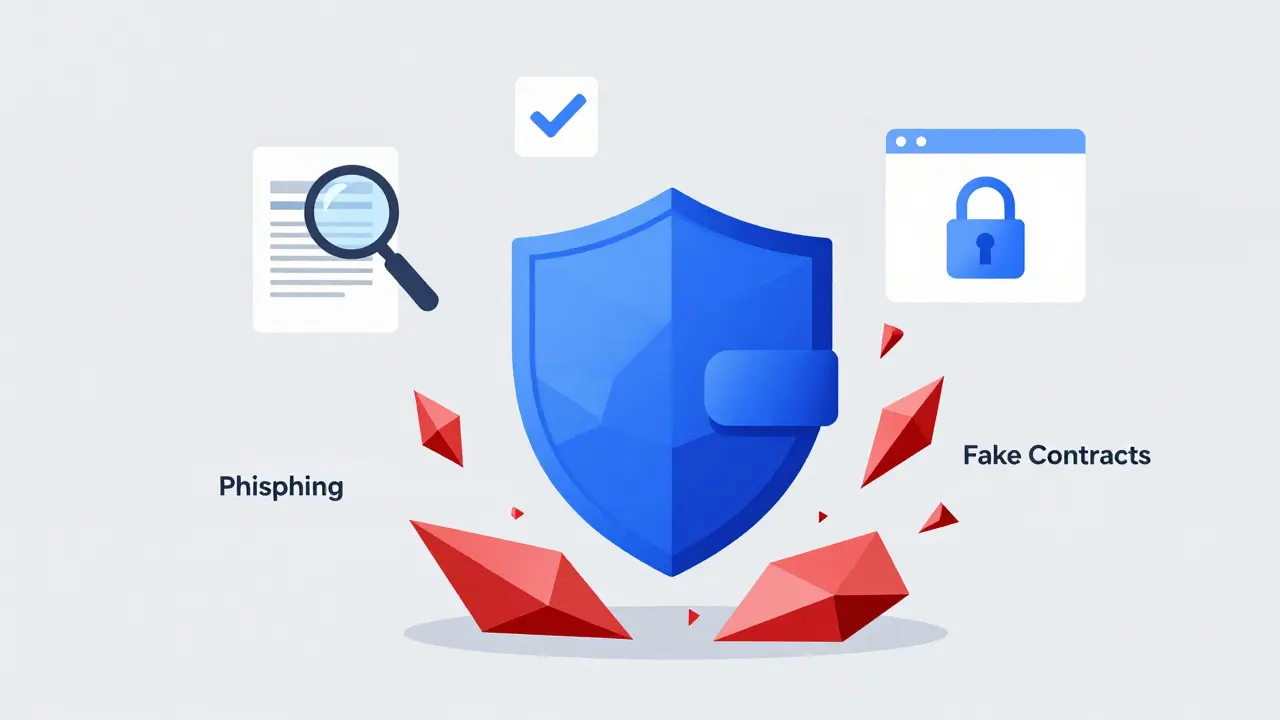
- It is a phishing scam. The goal isn't to give you tokens; it's to get your private keys or seed phrase.
Never share your private keys. Never connect your main wallet to an unverified site promising "free CTT." If a site asks for your seed phrase to "claim" an airdrop, close the tab immediately. That is the #1 rule of crypto safety.
How Real Airdrops Work in 2026
To understand why the CTT claim feels off, let's look at how legitimate airdrops operate right now. Projects use airdrops to bootstrap liquidity, distribute governance rights, and reward early adopters. They don't just hand out money for liking a tweet anymore. The bar is higher.
Most successful recent campaigns use point systems. These systems track your on-chain activity. Did you swap tokens on their DEX? Did you provide liquidity? Did you bridge assets across chains? Your actions earn points, which later convert to tokens.
For example, MetaMask confirmed it would launch a token. Qualification required an active MetaMask account and a minimum of 0.1 ETH in the wallet. It wasn't random. It was based on actual usage. Similarly, projects like Hyperliquid, Monad, and Abstract have built massive followings by offering clear, merit-based paths to rewards.
| Feature | Legitimate Project (e.g., Hyperliquid) | Suspicious Claim (e.g., "CryptoTycoon") |
|---|---|---|
| Token Ticker | Verified on CoinGecko/CoinMarketCap | Unlisted, unknown ticker (CTT) |
| Eligibility | On-chain activity, points, usage | Social media follows, referrals only |
| Security | No seed phrase required | Asks for private keys or connects main wallet |
| Transparency | Public smart contract audits | No code available, vague whitepaper |
| Timeline | Clear milestones and dates | "Claim now before it ends!" urgency |
The Gaming Sector and Play-to-Airdrop
If you are interested in earning crypto without heavy trading, the gaming sector is where the action is. Blockchain networks and gaming-specific tokens have created "play-to-airdrop" mechanics. This is different from the shady "CryptoTycoon" claims because these games are built on established networks like Avalanche or Solana.
Take Off the Grid, for instance. Built on Avalanche and published by Gunzilla Games in partnership with Delphi Ventures, this game planned to launch the GUN token and GUNZ mainnet. Players earned rewards by participating in the game ecosystem. This is sustainable. It adds value. It isn't a quick cash grab.
When evaluating gaming airdrops, look for:
- Partnerships: Is the game backed by a known venture capital firm or studio?
- Network: Is it on a reputable blockchain?
- Utility: Does the token do something inside the game?
If a game asks you to deposit funds to "unlock" an airdrop, walk away. Real play-to-earn models reward your time and skill, not your deposits.
How to Spot an Airdrop Scam
Scammers are getting smarter. They clone websites perfectly. They use AI-generated images of teams. They even fake social media verification badges. Here is how to stay safe when chasing drops like the rumored CTT:
1. Check the Contract Address Every token has a unique contract address on the blockchain. For Ethereum-based tokens, you can find this on Etherscan. For Solana, use Solscan. If someone sends you a link to "claim CTT," ask for the contract address. Paste it into a block explorer. If the transaction history is empty, or if the creator holds 90% of the supply, it's a rug pull waiting to happen.
2. Verify Social Channels Go to the official Twitter/X account of the project. Do not click links in DMs. Go directly to the bio link. Look for pinned tweets announcing the airdrop. If the official channel says nothing about "CTT," but a random influencer is posting about it, ignore the influencer. Influencers are often paid to promote scams without knowing it.
3. Use a Burner Wallet
4. Reverse Image Search Scammers steal photos from LinkedIn profiles or stock photo sites. Take the profile pictures of the "team" behind CryptoTycoon and run them through Google Lens or TinEye. If those faces belong to people in unrelated industries, you are looking at a fake team.
What Should You Do Instead?
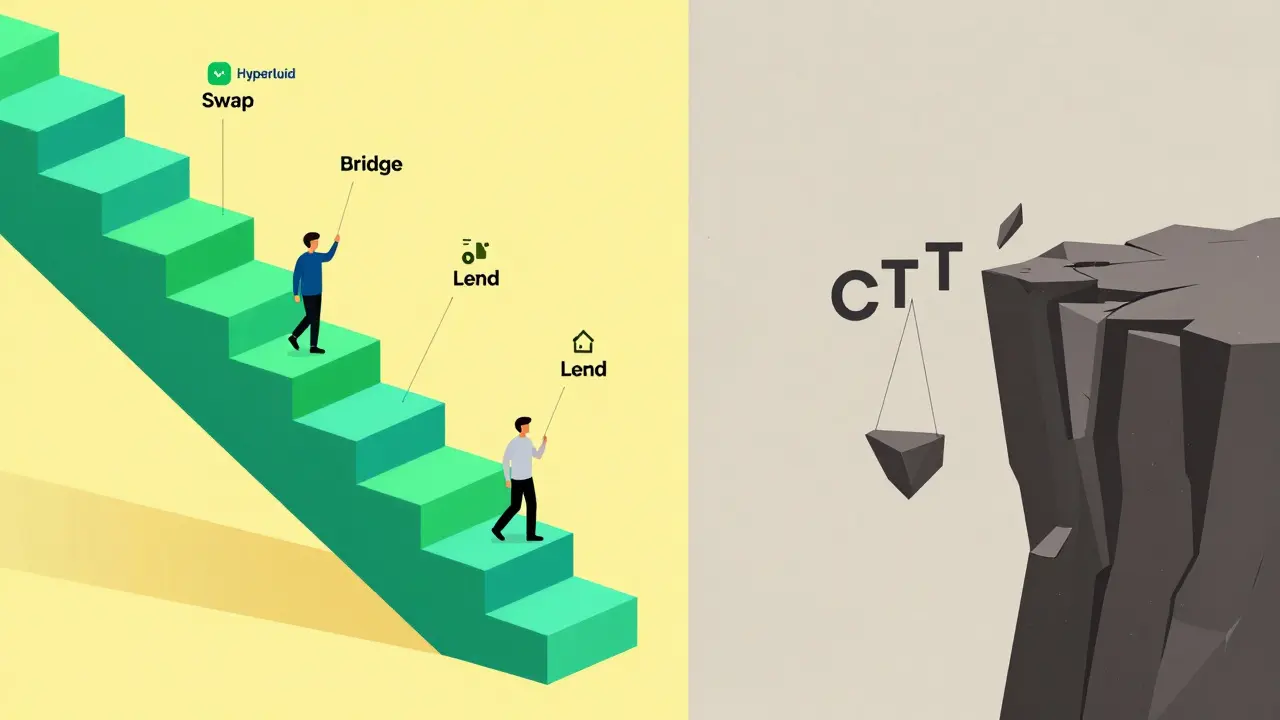
Since the CryptoTycoon CTT airdrop is unverified, your best move is to pivot your energy toward opportunities with proven track records. Here are three strategies to maximize your chances in the current market:
Focus on Point Systems Many Layer 2 solutions and DeFi protocols are running point campaigns. Interact with protocols like zkSync, LayerZero, or Renzo. Bridge assets, lend, or borrow. Track your points on dashboards provided by the projects. These points often convert to tokens later. It requires work, but it's low risk compared to clicking unknown links.
Explore Testnets New blockchains often launch on testnets before going live. Using a testnet costs nothing because you use fake money. Projects like Monad or Abstract may offer rewards for early testers. Sign up for their Discord servers. Complete quests on platforms like Galxe or Layer3. These tasks verify you are a real human and interested in the tech.
Monitor Established Wallets Keep an eye on wallets like MetaMask or Phantom. As mentioned, MetaMask has confirmed token plans. Simply using the wallet for regular transactions might qualify you. Ensure your wallet meets minimum balance requirements (like the 0.1 ETH rule) and stays active over time.
Final Thoughts on Due Diligence
The promise of free money is powerful. It triggers our greed and makes us lower our guard. But in crypto, due diligence is your shield. The lack of information on "CryptoTycoon" and "CTT" is not a mystery; it's a warning sign. Real projects shout from the rooftops. Fake ones whisper in dark corners.
Stick to verified sources. Use tools like CoinGecko to check token listings. Read the whitepapers. Join the communities and ask questions. If the answers are vague or aggressive, leave. Your capital and your security are worth more than any hypothetical airdrop. Stay curious, stay skeptical, and keep your keys private.
Is the CryptoTycoon CTT airdrop real?
There is no verified evidence of a legitimate "CryptoTycoon" project distributing "CTT" tokens. The name is likely confused with the older "Tycoon" project, which issued TYC tokens. Be extremely cautious, as unlisted tokens are often scams.
What is the difference between Tycoon and CryptoTycoon?
Tycoon is a known copy-trading platform that issued TYC tokens. "CryptoTycoon" appears to be a fabricated name used by scammers to mimic the brand. The token tickers are different: TYC vs. CTT. Only trust projects listed on major exchanges and trackers.
How can I verify if an airdrop is legitimate?
Check if the token is listed on CoinGecko or CoinMarketCap. Verify the smart contract address on a block explorer like Etherscan. Ensure the project has an active, responsive community on Discord or Telegram. Never share your seed phrase or private keys.
Are point systems better than direct airdrops?
Yes, point systems are generally safer and more reliable. They reward actual usage of a protocol, such as swapping or lending, rather than just social media engagement. This reduces bot participation and ensures that rewards go to genuine users.
What should I do if I already connected my wallet to a suspicious site?
Immediately revoke permissions using a tool like Revoke.cash. Transfer any remaining funds to a new wallet. Change your passwords if you entered them on the site. Monitor your transaction history for unauthorized transfers. Never reuse the compromised wallet.
Which upcoming airdrops are considered high-potential in 2026?
Projects like MetaMask, Hyperliquid, Monad, and Abstract are frequently cited as high-potential due to their strong development teams, funding, and user bases. Always research each project individually and focus on those with clear utility and active ecosystems.