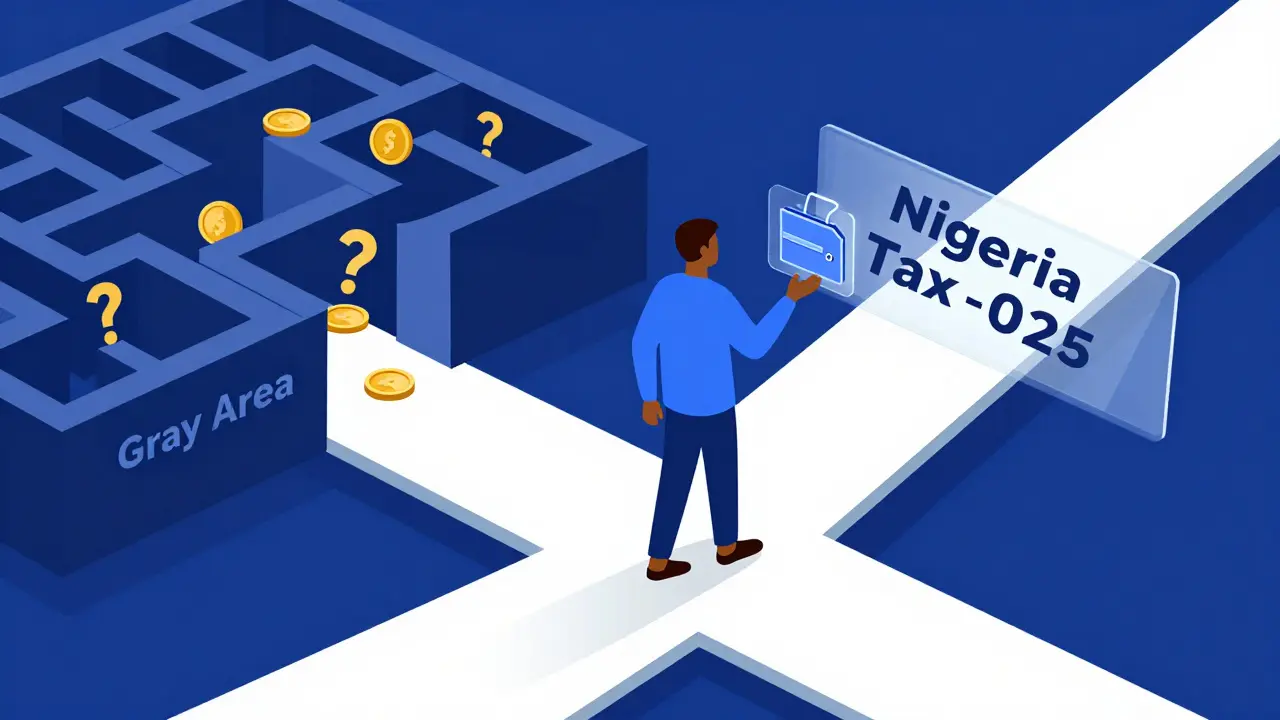
For years, buying Bitcoin or Ethereum in Nigeria felt like a game of hide-and-seek with the government. You bought it on an app, moved it to a wallet, and hoped nobody asked questions. That era is officially over. As of January 1, 2026, the rules have changed completely.
If you hold crypto in Nigeria right now, you are no longer operating in a gray area. The Nigeria Tax Act 2025 (NTA 2025) has made it clear: digital assets are taxable property. Ignorance is not a defense anymore. The government has built a tracking system that connects your bank account to your crypto activity, and they mean to collect their share.
This guide cuts through the legal jargon. It explains exactly what you need to pay, who needs a license, and how to keep your money out of trouble under the new laws.
The Legal Shift: From Ban to Regulation
To understand where we are, you have to look at where we were. For a long time, the Central Bank of Nigeria (CBN) told banks not to touch crypto accounts. This forced traders to use offshore platforms or peer-to-peer workarounds. It was messy, risky, and untaxed.
That changed with two major pieces of legislation. First, the Finance Act 2023 labeled digital assets as "chargeable assets." This meant if you sold Bitcoin for a profit, that gain was technically taxable. But the real hammer dropped with the Nigeria Tax Act 2025, signed by President Bola Ahmed Tinubu in June 2025. This law consolidated all tax rules into one book and explicitly stated that profits from virtual assets must be reported.
Simultaneously, the Investments and Securities Act (ISA) 2025 classified cryptocurrencies as securities. This moved the oversight power to the Securities and Exchange Commission (SEC). Why does this matter to you? Because securities are heavily regulated. Your transactions are no longer anonymous whispers; they are recorded events in a financial system designed for transparency.
What Is Actually Taxable?
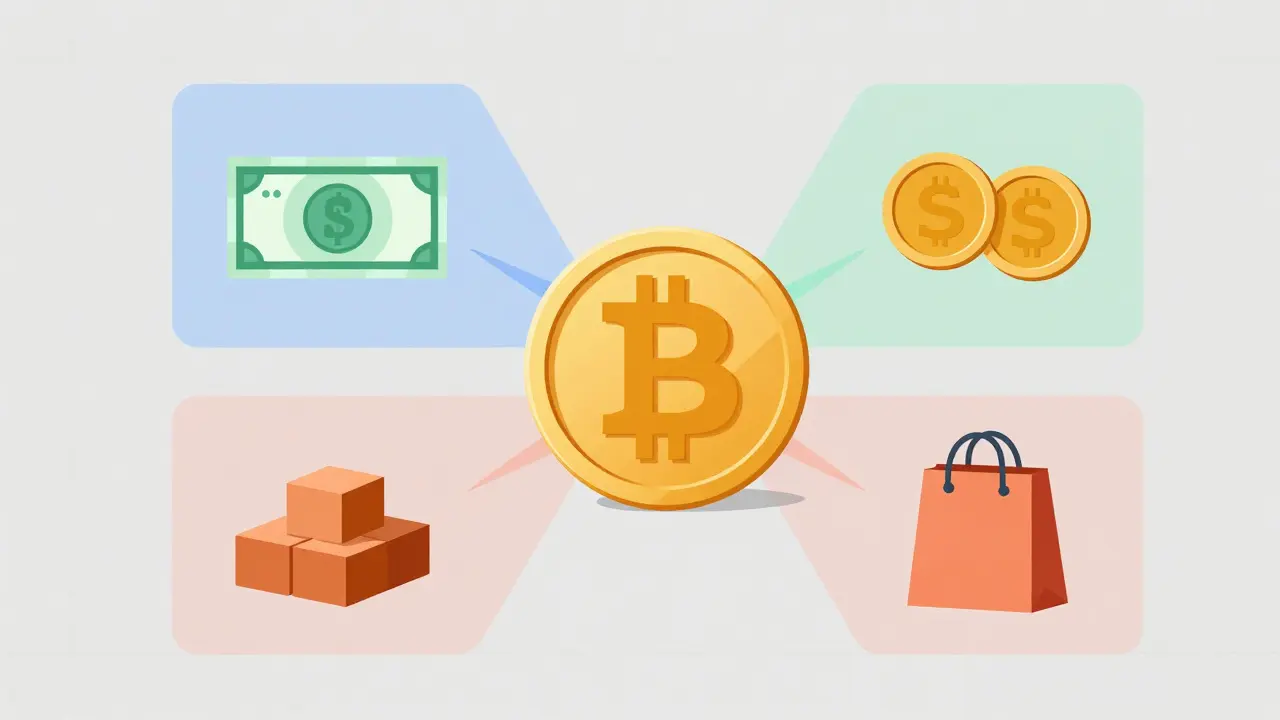
Not every click in your crypto portfolio triggers a tax bill. Under the NTA 2025, specific events create a "taxable liability." Here is what counts:
- Selling Crypto for Fiat: If you swap Bitcoin for Naira (or Dollars/Euros) and make a profit, that difference is subject to Capital Gains Tax.
- Crypto-to-Crypto Swaps: Trading Ethereum for Solana is considered a disposal of the first asset. If the value went up since you bought the Ethereum, you owe tax on that gain, even though you didn't cash out to Naira yet.
- Earning Staking Rewards: Interest earned from staking or lending protocols is treated as income. It is taxed similarly to salary or business income, depending on your setup.
- Receiving Crypto as Payment: If you sell goods or services and accept USDT or BTC, that amount is added to your total income for the year.
Simply holding crypto (HODLing) does not trigger a tax event. You only pay when you dispose of the asset or generate yield from it. However, you must still report these holdings if requested during an audit.
The VASP License: The New Gatekeeper
You cannot just open a website and start trading for others anymore. The SEC requires any business facilitating crypto transactions to operate as a Virtual Asset Service Provider (VASP). This is a strict licensing regime.
Here is why this affects you personally. The CBN reversed its ban on banking relationships with crypto firms in December 2023. Banks can now serve licensed VASPs. This means your local exchange-like Busha or other SEC-approved platforms-is directly connected to the banking system. When you deposit Naira into your exchange account, that transaction is visible to regulators.
Offshore exchanges like Binance or KuCoin do not have this local banking integration. They are harder for the Nigerian government to track directly. However, using them does not exempt you from tax. The NTA 2025 applies to residents regardless of which platform they use. The government encourages using local, licensed exchanges because the data trail is cleaner and compliance is easier to verify.
| Feature | Licensed Local VASP (e.g., Busha) | Offshore Exchange (e.g., Binance) |
|---|---|---|
| Bank Integration | Direct Naira deposits/withdrawals allowed | No direct bank links; P2P only |
| Regulatory Oversight | SEC & CBN monitored | Foreign jurisdiction |
| Tax Reporting Ease | High (platforms may assist with records) | Low (user must manually track everything) |
| Legal Protection | Consumer protection under ISA 2025 | Limited recourse for Nigerian users |
How to Calculate Your Crypto Tax
Capital Gains Tax in Nigeria is generally calculated on the net profit. You take the selling price, subtract the purchase price, and then deduct allowable costs (like trading fees). The resulting figure is your taxable gain.
For individuals, this gain is often added to your other income sources. If you are a trader treating crypto as a business, the profits fall under Company Income Tax or Personal Income Tax rates applicable to your state. Rates vary by location, so knowing your local board’s percentage is crucial.
Keep in mind that losses can offset gains. If you sold some tokens at a loss in 2025, you can use that loss to reduce the taxable profit from your winning trades. This is called "netting." You cannot carry forward losses indefinitely without reporting them, so accurate record-keeping is non-negotiable.
Record Keeping: Your Best Defense
The biggest mistake Nigerians make is relying on memory or scattered screenshots. The NTA 2025 expects professional-grade accounting. You need a clear ledger that shows:
- Date of Acquisition: When did you buy the asset?
- Purchase Price: How much Naira or fiat did you spend?
- Date of Disposal: When did you sell or swap?
- Sale Price: What was the value at the time of sale?
- Fees Paid: Transaction fees reduce your taxable gain.
Many traders use third-party software to connect their wallets and exchange accounts via API. These tools automatically generate tax reports compatible with Nigerian standards. If you are running a business, you must update your internal accounting systems to recognize crypto payments as revenue immediately upon receipt, not when converted to Naira.

Penalties for Non-Compliance
The enforcement mechanisms in 2026 are sharper than before. The Federal Inland Revenue Service (FIRS) has enhanced digital filing systems that cross-reference bank statements with declared income. If your bank shows regular large transfers to a known VASP but your tax return shows zero crypto activity, you will raise a red flag.
Penalties include fines based on the unpaid tax amount plus interest. In severe cases of deliberate evasion, criminal charges can apply. The goal of the government is not just punishment but alignment with international standards. Nigeria wants to prevent multinational crypto firms and wealthy individuals from shifting profits abroad to avoid taxes. Compliance protects your reputation and your assets.
Next Steps for Traders and Businesses
If you are an individual trader, start by gathering your transaction history from 2024 and 2025. Use a tax calculator or hire a specialist to determine your liability. Do not wait for the FIRS to contact you. Voluntary disclosure is always better than an audit investigation.
If you run a crypto business, ensure your VASP license is active and renewed. Review your contracts and terms of service to reflect the new regulatory requirements. Most importantly, engage a tax advisor who specializes in digital assets. Generalist accountants may not understand the nuances of staking rewards, NFT sales, or DeFi yields. You need someone who speaks the language of both blockchain and Nigerian tax law.
The window for casual, unregulated participation is closed. The era of compliant, transparent crypto investing in Nigeria has begun. Adapt now, and you can trade with confidence. Ignore the rules, and you risk significant financial and legal consequences.
Is owning cryptocurrency illegal in Nigeria in 2026?
No, owning cryptocurrency is not illegal. The previous bans on banking services have been lifted for licensed entities. However, you must pay taxes on any profits generated from buying, selling, or earning crypto.
Do I need to pay tax if I only hold Bitcoin?
No, simply holding crypto does not trigger a tax event. You only pay Capital Gains Tax when you sell, swap, or otherwise dispose of the asset at a profit. Staking rewards, however, are taxable as income.
Can I use Binance or KuCoin in Nigeria?
You can access these platforms, but they are not locally licensed VASPs. This means you cannot link them directly to Nigerian bank accounts for easy deposits. You must use Peer-to-Peer (P2P) methods, and you are still fully responsible for reporting and paying taxes on these transactions to the FIRS.
What is a VASP license?
VASP stands for Virtual Asset Service Provider. It is a license issued by the Securities and Exchange Commission (SEC) required for any business that facilitates crypto transactions, such as exchanges or custodians. Only licensed VASPs can legally partner with Nigerian banks.
How does the Nigeria Tax Act 2025 affect small traders?
Small traders must still report gains. However, the law focuses on transparency. By keeping clear records and using licensed local exchanges, small traders can easily calculate and pay their due taxes, avoiding heavy penalties associated with evasion.