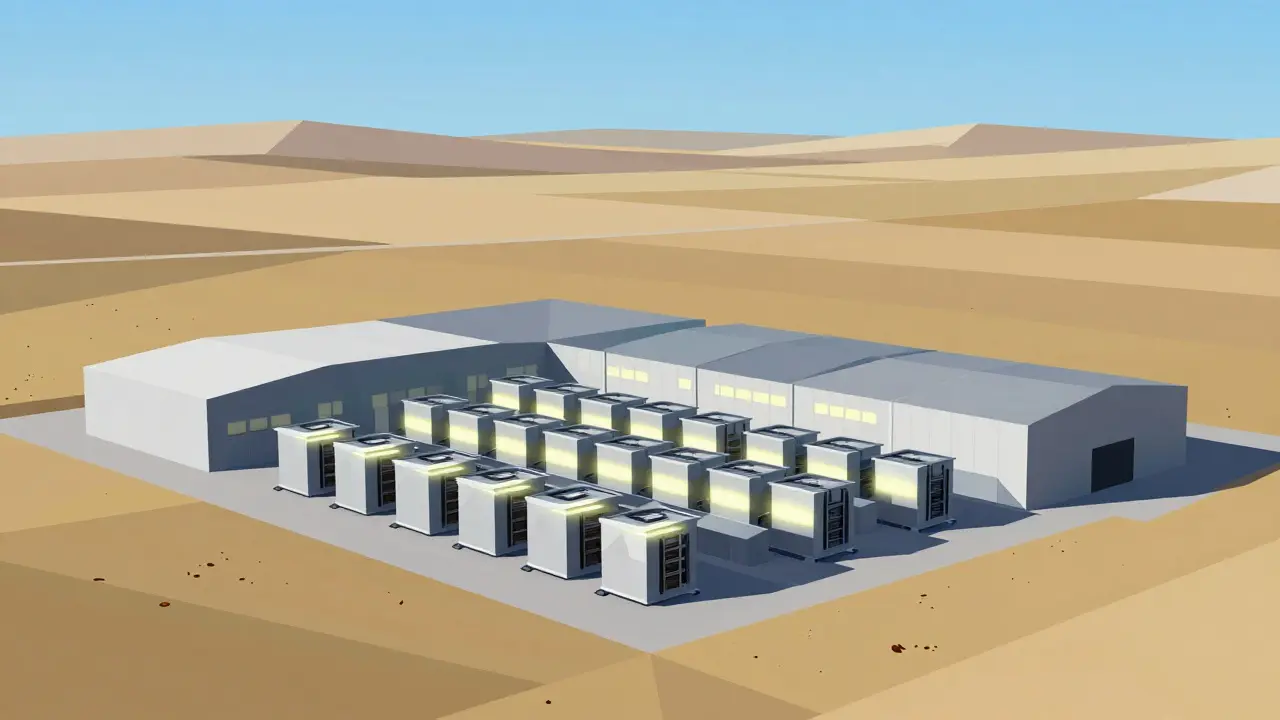
Imagine setting up a massive row of ASIC miners in the vast steppes of Central Asia. The energy is cheap, the climate is cool enough for passive cooling, and the government seems friendly to digital assets. It sounds like a dream scenario for a mining operation. But if you think you can just plug in your hardware and start hashing Bitcoin without paperwork, you are walking into a legal minefield.
Kazakhstan has transformed from a wild west of unregulated mining into one of the most strictly controlled jurisdictions on the planet. The days of operating under the radar are over. Today, the state demands transparency, local presence, and strict adherence to financial controls. If you are looking to establish or expand a mining operation here, understanding the specific licensing requirements is not optional-it is the difference between a profitable business and a seized asset.
The Core Framework: Notification vs. Licensing
To navigate this landscape, you first need to understand that "mining" and "licensing" are two different buckets in Kazakh law. The core activity of digital mining itself is regulated under Order No. 384, which defines it as a notification-based activity. This means you do not get a traditional "permit" to turn on your machines. Instead, you must notify the authorities before you begin operations.
However, the real gatekeeper is not the mining notification; it is the financial infrastructure surrounding it. You cannot operate legally unless you are connected to the broader regulatory ecosystem managed by the Astana International Financial Center (AIFC). The AIFC is the exclusive jurisdiction for granting crypto-related licenses in Kazakhstan. While your physical mining farm might be registered elsewhere in the country, your ability to sell your mined assets, manage funds, and comply with anti-money laundering laws hinges on your relationship with AIFC-regified entities.
This creates a unique hybrid model. You register your mining activity with the state via notification, but you must operate through licensed channels for all financial transactions. This dual-layer approach ensures the government maintains oversight over both the physical infrastructure and the monetary flows generated by it.
Who Can Mine? Legal Entity Requirements
You cannot simply fly in from abroad, rent a warehouse, and start mining as an individual tourist. The law mandates clear jurisdictional control. To engage in digital mining, you must possess the status of either:
- A Kazakhstan Legal Entity: A company formally registered within the Republic of Kazakhstan.
- An Individual Entrepreneur (IE): A locally registered sole proprietorship.
Furthermore, the law imposes a strict exclusivity clause. Your entity’s primary and often sole permitted business activity must be digital mining. You cannot mix mining with retail trade, construction, or other unrelated businesses under the same registration. This focused framework helps regulators track exactly what each entity does and prevents the use of mining licenses as a front for other illicit activities.
The Hardware and Infrastructure Rules
Owning the right legal status is only half the battle. You must also prove you have legitimate access to the physical resources required for mining. The regulations specify that miners must demonstrate ownership or legal rights to a Digital Mining Data Processing Center.
In practical terms, this means you need a formal lease agreement or property deed for the facility housing your rigs. Alternatively, you can possess rights to place software and hardware complexes within authorized data processing centers. This requirement eliminates informal setups in residential buildings or unauthorized industrial zones. Every machine must be accounted for in a registered facility, ensuring that energy consumption matches reported capacity.
As of recent data, the government has registered over 415,000 mining machines across the country. Each of these units is tied to a specific legal entity and location, creating a comprehensive map of the nation’s hashing power.
The Mandatory Digital Mining Pool Requirement
Here is where Kazakhstan diverges sharply from most other mining hubs like the United States or Canada. In many jurisdictions, you can choose to solo mine or join a pool voluntarily. In Kazakhstan, joining a pool is not a choice-it is a mandate.
The law requires that all mining activities be conducted exclusively through Licensed Digital Mining Pools (DMPs). These DMPs are new regulated entities established specifically within the Kazakh market. As of 2023, the government had accredited five such pools.
Why does the state enforce this? It creates a centralized choke point for compliance. By forcing all miners to route their work through approved pools, the government can monitor transaction volumes, verify proof-of-work contributions, and ensure that proceeds are handled according to anti-money laundering standards. Operating outside these designated pools is prohibited and can lead to severe penalties, including the confiscation of equipment.
Navigating the AIFC Licensing Process
If your mining operation involves significant capital, international investment, or complex financial structures, you will likely need to incorporate within the AIFC. This is not a quick administrative task. The process is structured in three phases and typically takes 6 to 9 months to complete.
Phase 1: Preparation
This stage is about proving you are serious. You need to create detailed business plans and financial projections backed by evidence. You must prepare corporate documentation from parent entities and, crucially, develop comprehensive AML-CFT (Anti-Money Laundering/Counter-Terrorist Financing) policies. You also need to implement KYC (Know Your Customer) software and define client onboarding rules with risk assessment protocols.
Phase 2: Incorporation
You must establish a company specifically within the AIFC jurisdiction. This involves renting office space within the AIFC premises in Astana. You are required to hire at least two local employees who will serve as your AML officer and compliance officer. These roles are mandatory and require specific local expertise. Additionally, you must deposit share capital into a corporate account in Kazakhstan and appoint a management board comprising a minimum of four distinct roles.
Phase 3: Application and Demonstration
Finally, you submit your application by demonstrating that your operational systems are live. This includes showing functional AML-CFT systems, client onboarding procedures, and platform prototypes. The regulators want to see that your management board has the necessary experience and competence to run a compliant operation.
Financial Obligations: Taxes and Sales Restrictions
The cost of doing business in Kazakhstan extends beyond electricity bills. The financial regulations have tightened significantly in recent years, reflecting the government’s desire to capture value from the crypto sector.
| Requirement | Detail |
|---|---|
| Crypto Tax Rate | 15% on mining income |
| Mandatory Asset Sale Ratio | 75% of mined assets must be sold on AIFC platforms |
| Previous Sale Ratio (2024) | 50% |
| Regulatory Body | Astana International Financial Center (AIFC) |
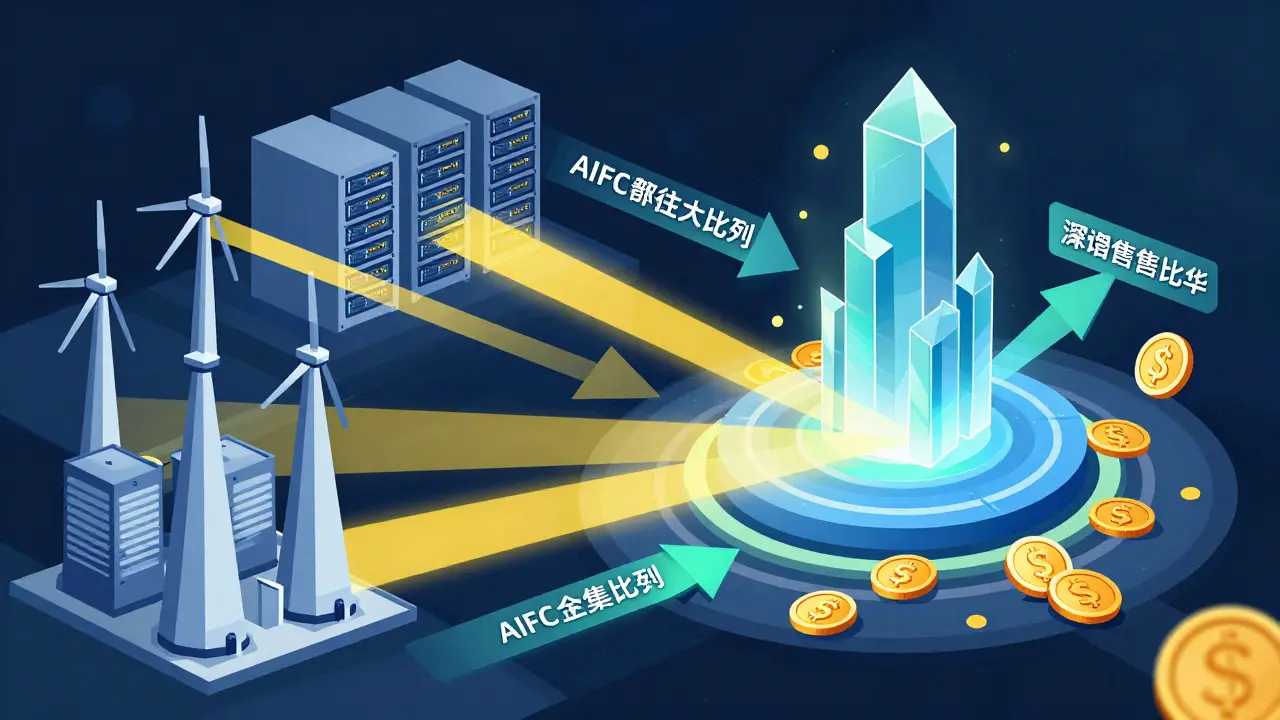
The most impactful rule is the mandatory sale requirement. As of 2025, crypto miners are required to sell 75% of their mined assets on exchanges regulated by the AIFC. This is a significant increase from the 50% requirement that was in effect during 2024. This policy is designed to keep foreign currency flows within the domestic financial system and prevent capital flight. It effectively forces miners to provide liquidity to local exchanges, boosting their volume and stability.
The tax rate of 15% remains competitive compared to many Western jurisdictions, but when combined with the operational costs of maintaining an AIFC presence and the restriction on where you can sell your coins, the total cost of compliance is higher than the headline tax rate suggests.
Energy Considerations and Future Outlook
Kazakhstan’s appeal has always been its energy potential. The government views crypto miners as players in economic modernization who can help balance power supplies by consuming surplus energy. There have been discussions about a "70/30 energy program," where foreign investors would fund thermal power upgrades. Under this model, 70% of the generated capacity would go to the national grid, while 30% would be reserved for crypto miners.
However, the regulatory trend is clearly toward tighter control, not liberalization. Legislative experts advocate for greater oversight of licensed exchanges and stricter enforcement against unregistered operators. The government is also exploring a state-run crypto reserve strategy, using mining activities as a foundation for broader cryptocurrency adoption. For investors, this means that while the opportunity exists, the margin for error is shrinking. Compliance is no longer just a legal checkbox; it is the core of your business strategy.
Can I mine crypto in Kazakhstan as a foreign individual?
No, you cannot operate as a foreign individual directly. You must register as a Kazakhstan Legal Entity or an Individual Entrepreneur (IE). Most foreign investors choose to set up a local company or incorporate within the Astana International Financial Center (AIFC) to meet these requirements.
Is it mandatory to join a mining pool in Kazakhstan?
Yes. Unlike many other countries, Kazakhstan requires all miners to operate exclusively through Licensed Digital Mining Pools (DMPs). Solo mining or joining unlicensed international pools is prohibited under current regulations.
How long does it take to get a crypto mining license through AIFC?
The process typically takes between 6 to 9 months. It involves three phases: preparation of business plans and AML policies, incorporation within the AIFC jurisdiction (including hiring local staff), and the final application phase with operational demonstrations.
What percentage of mined crypto must be sold on local exchanges?
As of 2025, miners are required to sell 75% of their mined assets on platforms regulated by the Astana International Financial Center (AIFC). This increased from 50% in 2024, reflecting tighter capital controls.
What is the tax rate for crypto mining in Kazakhstan?
The standard tax rate for mining operations is 15%. However, this should be calculated alongside other compliance costs, such as office rentals in Astana and salaries for mandatory local compliance officers.
Do I need physical office space in Astana to mine?
If you are incorporating within the AIFC, yes. You are required to rent office space within the AIFC premises and hire local employees for AML and compliance roles. If you are only registering as a standard local entity for smaller operations, you still need a registered address for your data processing center, but the AIFC-specific office requirement applies to those seeking full financial licensing.