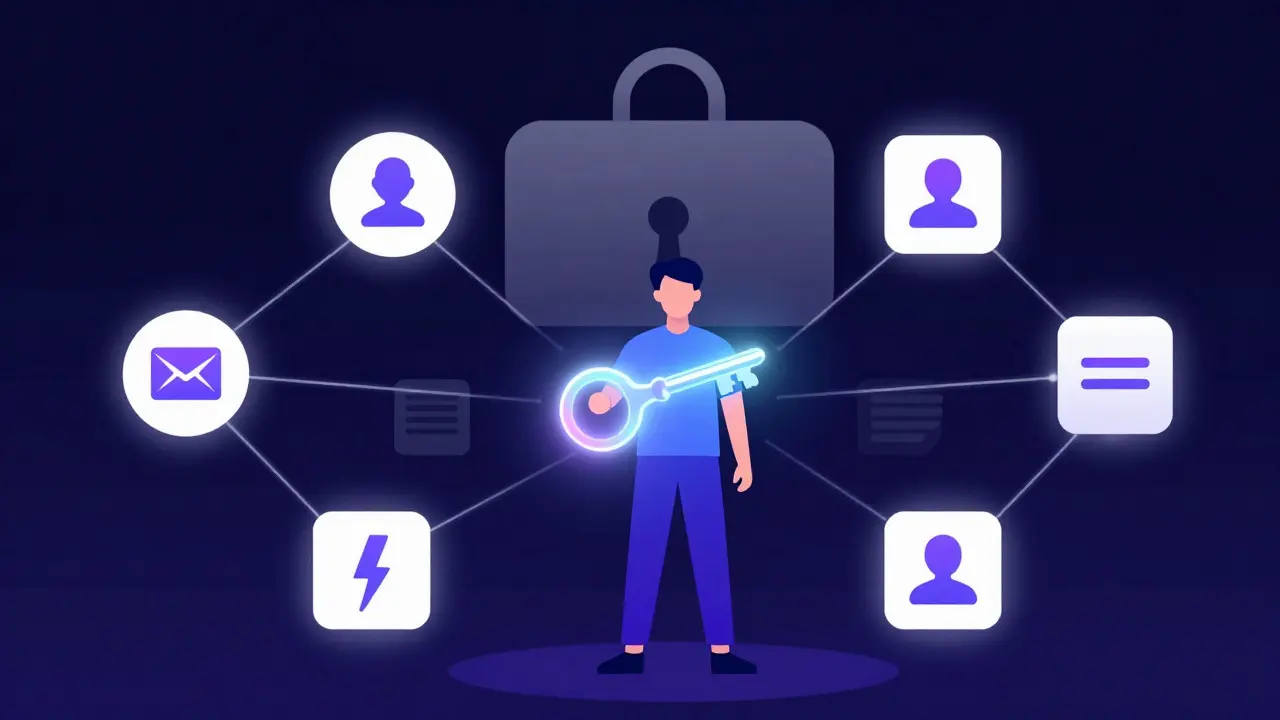
Imagine posting a video on your favorite social platform and realizing the company owns it, not you. That is the reality of Web 2.0. In Web3 social media, the dynamic flips completely. You own your posts, your followers, and even your reputation. This shift isn't just a marketing slogan; it is a technical change powered by blockchain technology that gives creators true control over their digital lives.
Traditional platforms like Facebook or Instagram act as landlords. They provide the space, but they hold the keys. If they change the algorithm, your reach drops. If they ban you, your audience disappears with the account. Web3 changes this by moving ownership from the server to the user's wallet. It means if you leave a platform, you take your history and connections with you. No more starting from zero.
The Core Mechanism: NFTs and Smart Contracts
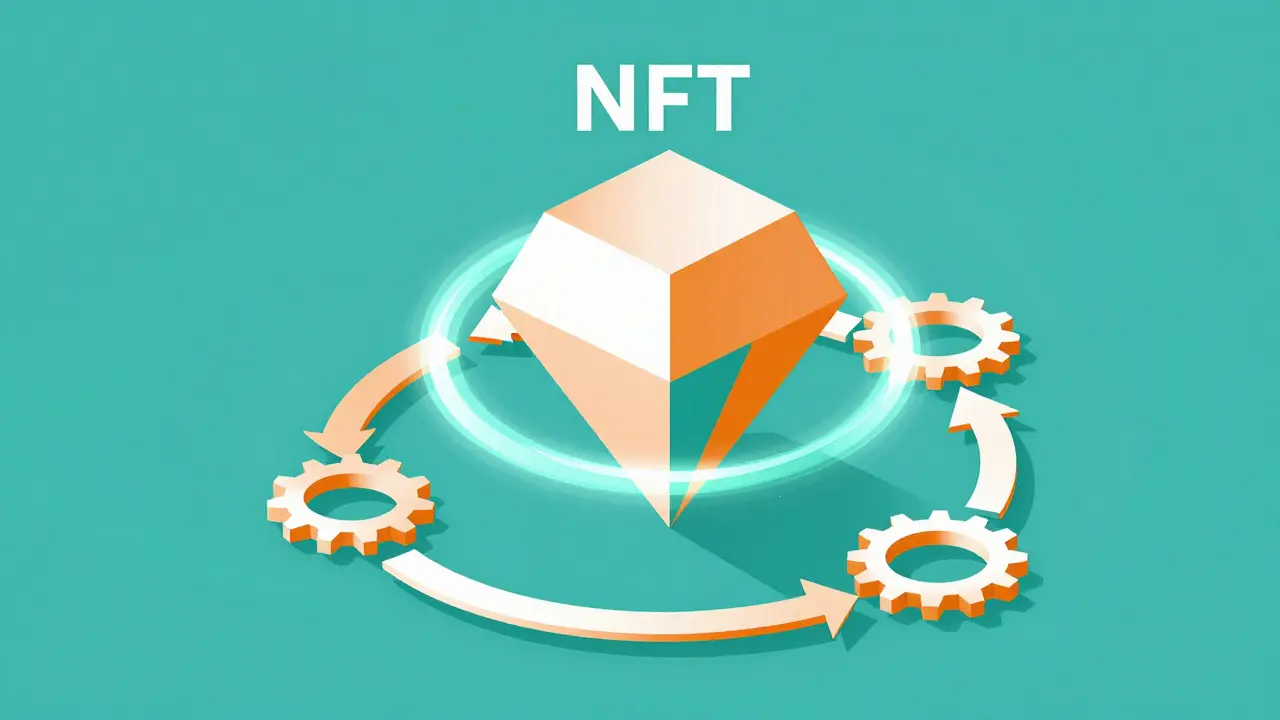
How does a tweet become an asset you can sell? The answer lies in Non-Fungible Tokens (NFTs). An NFT is a unique digital certificate recorded on a blockchain. When you post content on a Web3 platform, that post can be minted as an NFT. This creates a permanent, immutable record of who created it and when. Unlike a JPEG file that can be copied infinitely without proof of origin, an NFT has a verifiable chain of custody.
But ownership isn't just about holding the token. It is about what the token allows you to do. This is where smart contracts come in. A smart contract is a piece of code that runs automatically when conditions are met. For a creator, this means setting rules for how others use your work. You can program your NFT to pay you a royalty every time someone resells your art. You can restrict who can display your content. These rules are enforced by the code, not by a corporate legal team.
- Immutability: Once written to the blockchain, ownership records cannot be changed or deleted by any single entity.
- Transparency: Anyone can verify the provenance of a piece of content by checking the public ledger.
- Programmability: Smart contracts define usage rights, royalties, and access permissions automatically.
Decentralized Identity: Your Passport to the Internet
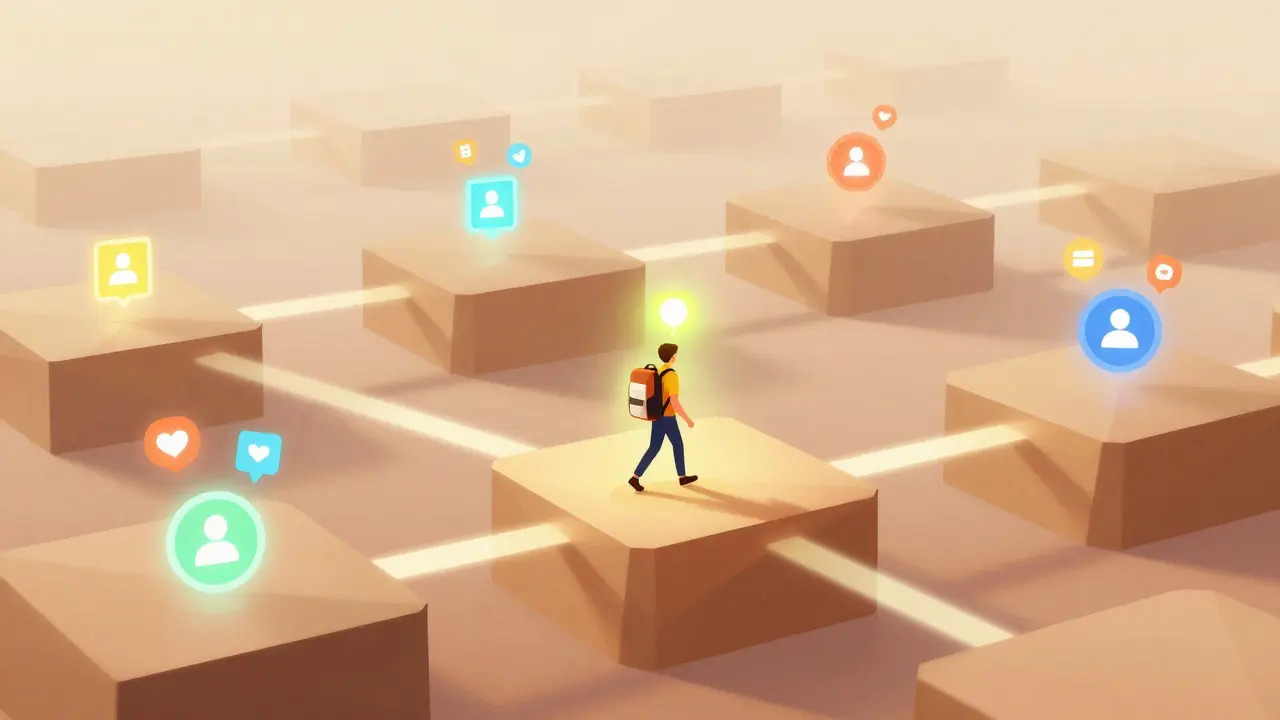
In Web2, your identity is tied to a specific app. Your Twitter handle is only useful on Twitter. In Web3, your identity is portable. This is achieved through Decentralized Identifiers (DIDs) and cryptocurrency wallets. Instead of logging in with a username and password, you sign into applications using your digital wallet. This wallet serves as your universal ID across different platforms.
This portability is a game-changer for social capital. Your followers, likes, and badges are stored on-chain. If you move from one Web3 social network to another, your reputation follows you. You don't lose your community because you switched apps. This solves the "lock-in" problem that keeps users trapped on centralized platforms out of fear of losing their social graph. Your digital identity becomes a true asset, separate from any single company's infrastructure.
Web3 vs. Web2: A Practical Comparison
To understand the value proposition, we need to look at the differences side-by-side. The table below highlights the key distinctions between traditional social media and Web3 networks regarding content ownership and data control.
| Feature | Web 2.0 (Traditional) | Web3 (Decentralized) |
|---|---|---|
| Ownership Rights | Platform retains extensive rights; users license content. | User holds full ownership via cryptographic keys. |
| Data Portability | Difficult; data siloed within specific apps. | High; identity and assets move between platforms. |
| Moderation | Centralized; admins can delete accounts/content. | Distributed; censorship-resistant, governed by community/code. |
| Monetization | Ads and platform-controlled tips; high fees. | Direct sales, NFTs, and low-fee peer-to-peer payments. |
| Access Barrier | Low; email/password signup. | Medium/High; requires wallet setup and crypto knowledge. |
The trade-off is clear. Web3 offers freedom and higher potential earnings but demands more technical effort. Web2 offers convenience but at the cost of autonomy. For most casual users, Web2 remains easier. For creators, artists, and power users, Web3 offers a more robust economic model.
The Economic Shift: Direct Creator Revenue
One of the biggest draws of Web3 social media is the direct connection between creators and audiences. In traditional models, platforms take a cut of advertising revenue or subscription fees. Often, this cut is significant, leaving creators with a fraction of the value they generate. In Web3, you can sell content directly. You can mint a limited-edition photo series as NFTs and sell them to fans. You can create a paid community where entry is granted by holding a specific token.
This removes the middleman. The economic relationship is peer-to-peer. Fans support creators directly, and creators keep a larger share of the revenue. Additionally, because ownership is recorded on-chain, secondary markets emerge. If a fan buys your NFT and later sells it to someone else, your smart contract can ensure you receive a percentage of that sale. This creates a sustainable income stream that goes beyond the initial sale, rewarding long-term brand building.
Challenges and Barriers to Adoption
Despite the benefits, Web3 social media faces hurdles. The primary issue is user experience. Setting up a cryptocurrency wallet, managing seed phrases, and understanding gas fees can be intimidating for the average person. If you forget your seed phrase, you lose access to your digital identity and assets forever. There is no "forgot password" button in blockchain.
Transaction costs, known as gas fees, also vary based on network congestion. On popular blockchains, these fees can spike, making small interactions expensive. While layer-two solutions are reducing these costs, they remain a friction point compared to the near-zero cost of posting on traditional platforms. Furthermore, the regulatory landscape is still evolving. Governments are still figuring out how to classify digital assets and NFTs, which creates uncertainty for both users and businesses.
Getting Started: A Practical Guide
If you want to experience content ownership in Web3, here is a simplified path to begin:
- Set Up a Wallet: Choose a reputable non-custodial wallet (like MetaMask or Phantom). Write down your seed phrase on paper and store it safely. Do not share it with anyone.
- Acquire Some Crypto: You will need the native currency of the blockchain you choose (e.g., ETH for Ethereum, SOL for Solana) to pay for transaction fees.
- Choose a Platform: Select a Web3 social network that aligns with your interests. Look for platforms that emphasize data portability and creator tools.
- Create Your Profile: Connect your wallet to establish your decentralized identity. Upload your avatar and bio, ensuring they are stored on decentralized storage protocols if possible.
- Mint Your First Asset: Try creating a simple post or image and minting it as an NFT. Experiment with setting royalty percentages in the smart contract settings.
Start small. Don't invest heavily until you feel comfortable with the mechanics. The learning curve is steep initially, but it flattens quickly once you understand the basics of key management and transaction signing.
Frequently Asked Questions
Do I really own my content in Web3?
Yes, technically you own the rights associated with the digital asset stored on the blockchain. However, "ownership" in Web3 refers to the cryptographic control of the token and its metadata. It doesn't necessarily grant exclusive copyright in the legal sense unless specified in the smart contract terms, but it does give you verifiable proof of creation and transfer rights.
What happens if I lose my private key?
If you lose your private key or seed phrase without a backup, you lose access to your wallet permanently. This means you lose access to your funds, your NFTs, and your decentralized identity. There is no central authority to reset your password. This is why secure offline backups are critical.
Are Web3 social media platforms better than traditional ones?
It depends on your needs. For casual browsing and easy sharing, traditional platforms are smoother. For creators who want to monetize directly, maintain data sovereignty, and build a portable reputation, Web3 platforms offer superior control and economic opportunities. Many users now use both, leveraging Web3 for ownership and Web2 for reach.
How much does it cost to use Web3 social media?
Costs vary by blockchain network. You need to pay transaction fees (gas) for actions like posting, minting, or transferring assets. On Ethereum mainnet, these can be high during peak times. On layer-two networks or alternative chains like Polygon or Solana, fees are often fractions of a cent. Initial setup costs include buying a small amount of cryptocurrency for fees.
Can I move my followers from one Web3 platform to another?
Yes, this is one of the core features of Web3. Because your identity and social graph are linked to your wallet address rather than a specific app, you can import your profile and connections to compatible platforms. The ease of migration depends on whether the platforms support standard interoperability protocols.
Mike Baca
August 23, 2026 AT 08:31So this whole idea of owning your digital self is kinda mind blowing right? Like we have been renting our identities for years and now we get to own the keys. It feels like a massive shift in how we think about value on the internet. The fact that you can take your reputation with you is huge. It changes the power dynamic completely. No more begging platforms to not delete your account. It is about true autonomy finally.
Rod Sidoroff
August 24, 2026 AT 04:04Let us be honest, most people will never touch this because it requires actual brain cells. The average user cannot even manage their email passwords let alone a seed phrase. This is just another bubble for the tech elite who want to feel superior while the rest of us scroll TikTok. Do not hold your breath for mass adoption.
Jennifer Ulmer
August 25, 2026 AT 10:07I actually agree with the point about portability. It would be so nice if my followers could move with me if I switched apps. Right now I feel stuck on one platform just because I built my community there. If that fear went away I might try these new networks out.
miranda gamboa
August 27, 2026 AT 06:58You are totally right! The interoperability layer is what makes this whole ecosystem viable. Without standardized DID protocols, we are just creating new silos. But once the semantic web connects these decentralized identity graphs, the network effects will be exponential. We need to stop thinking of platforms as destinations and start seeing them as nodes in a larger mesh.
Kiran Jayaram
August 27, 2026 AT 14:14yeah sure but have you tried minting anything on ethereum recently? gas fees are insane and half the time the transaction fails anyway. its a scam for normal people who dont have thousands of dollars to waste on fees just to post a picture. keep dreaming i guess
Melissa G
August 27, 2026 AT 23:09The friction of entry is certainly high, but it is worth noting that Layer-2 solutions and alternative chains like Solana or Polygon have significantly reduced these costs. For many users, the barrier is less about the financial cost of gas and more about the cognitive load of managing non-custodial wallets. Once the user experience improves, the economic incentives for creators may outweigh the initial learning curve.
Claudio Perrone
August 29, 2026 AT 18:35wait so if i lose my key im gone forever?? no reset button?? that sounds terrifying honestly. feels like walking around with all your money in your pocket with no bank to call if you get robbed. why would anyone risk that?
Aaron Morrissey
August 31, 2026 AT 01:12It is a fair concern, indeed. However, one must consider that this very lack of central authority is what grants the user sovereignty. While the risk of self-custody is real, it is mitigated by hardware wallets and multisig setups. The trade-off between convenience and control is the defining characteristic of this technological paradigm. We are exchanging the comfort of servitude for the freedom of responsibility.
Patrick Quairoli
September 1, 2026 AT 13:40its not about freedom its about control. big tech knows this is coming so they are buying up all the nft projects before we know it. its all a setup to track us even harder. the blockchain is just a new database for advertisers. wake up people
Alexander Scheel
September 3, 2026 AT 02:17How quaint. You believe that a decentralized ledger is merely a 'new database' for advertisers? One assumes you have never read a whitepaper, nor do you understand the difference between custodial and non-custodial models. Your paranoia is charmingly predictable, though. Perhaps stick to centralized services where you are already comfortable being a product rather than an owner.
Quang Thai Tran
September 5, 2026 AT 00:53One must observe that the regulatory landscape remains the primary impediment to widespread institutional adoption. Until jurisdictions clarify the legal standing of digital assets, the risk profile remains elevated for both individual creators and corporate entities. The technology is sound, but the socio-legal framework lags behind by a significant margin.
Abigail Sparks
September 6, 2026 AT 01:38Stop overthinking it! Just set up a wallet and try it out. The best way to learn is by doing. You will figure it out faster than you think. Don't let the fear of losing a key stop you from owning your content. Go for it!
Teri W
September 7, 2026 AT 09:26It's just so dramatic to say you own your soul when you're really just holding a token that might crash tomorrow. But hey, at least you can pretend you're special. The moral high ground of Web3 is looking a bit shaky lately, don't you think?