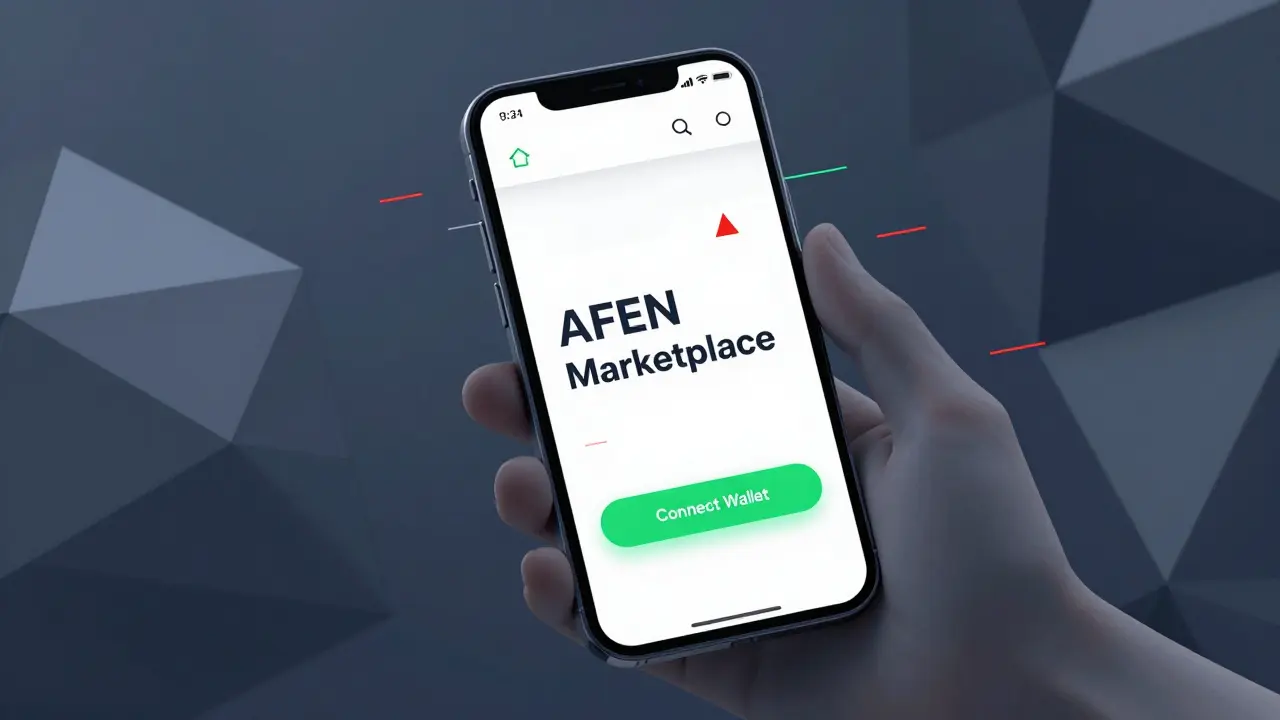
You’ve likely seen the headlines or heard the whispers in Discord servers about the AFEN Marketplace airdrop. The promise is simple: free tokens from the AFEN Blockchain Network just for connecting your wallet. In a market where early access to new projects can mean life-changing gains, it’s hard not to get excited. But before you click that link and sign any transaction, we need to look at the facts. After digging through industry reports, major tracking platforms, and community sentiment data as of May 2026, the verdict is stark.
The AFEN Marketplace airdrop does not appear on any legitimate tracking lists. There are no verified announcements, no official tokenomics, and no credible community discussion. This isn’t just a case of low visibility; it’s a massive red flag. Here is what you need to know to protect your funds and understand why this project should be treated with extreme caution.
The Silence of Major Tracking Platforms
In the world of cryptocurrency, silence is loud. Legitimate projects don’t launch into a vacuum. They build hype, they publish whitepapers, and most importantly, they get tracked by the people who make their living monitoring these events. We looked at the biggest names in the game-CoinGecko, CoinMarketCap, Dropstab, and various dedicated airdrop aggregators.
Did we find AFEN? No. Not even a rumor section entry. These platforms track dozens of active opportunities every month. For context, in late 2025 alone, trackers listed over 30 potential high-value drops, including confirmed distributions from giants like EigenLayer, Hyperliquid, and Magic Eden. If AFEN were a real player, it would be there. Its absence suggests it either doesn't exist or is operating entirely off the radar-a tactic almost exclusively used by bad actors.
What Makes an Airdrop Legitimate?
To understand why AFEN raises alarms, let's look at what a safe, standard airdrop looks like. Real projects follow a specific pattern. First, they have a history. Take OpenEden, for example. Their distribution was tied to verifiable on-chain activity involving BNB holders. You could check the contract address, see the total supply, and read the official blog post detailing exactly how many tokens were being distributed.
Real airdrops also have transparency regarding tokenomics. When Hyperliquid prepared its genesis distribution, they publicly stated that 31% of the total supply was allocated for community rewards. That’s clear math. With AFEN, you won’t find those numbers. You won’t find a smart contract audit from firms like CertiK or Trail of Bits. You’ll only find vague promises of "future value." Without hard data, you are flying blind.

The Anatomy of a Fake Airdrop
If AFEN isn't real, what is it? Most likely, it falls into the category of a "honeypot" or a drain scam. These operations are designed to look professional but serve one purpose: emptying your wallet. Here is how they usually work.
- The Hook: A flashy website claims you are eligible for a rare drop. They use buzzwords like "decentralized exchange," "cross-chain bridge," or "metaverse integration" to sound tech-savvy.
- The Connection: You are asked to connect your wallet. Often, they ask for MetaMask or Trust Wallet. Connecting itself isn't always dangerous, but it’s the first step.
- The Approval Trap: This is where the damage happens. You might be asked to sign a message that says "Claim Tokens." However, the hidden code in that signature grants unlimited spending access to your assets to the scammer’s contract. Once signed, they drain your ETH, SOL, or USDT instantly.
This isn't hypothetical. Scammers clone the branding of real projects constantly. Just because a site looks sleek doesn't mean the backend is secure. The lack of any mention of AFEN in community forums like Reddit or Twitter further confirms this. Real communities talk about eligibility criteria, gas fees, and strategies. Fake projects generate zero organic conversation because they rely on paid ads or bot accounts.
How to Verify Any Airdrop Yourself
You don't have to take my word for it. You can verify the legitimacy of any project, including AFEN, using a few simple checks. These steps will save you from losing your principal investment.
- Check Contract Addresses: Go to Etherscan (for Ethereum) or Solscan (for Solana). Search for the project name. If there is no verified contract, or if the contract has very little liquidity and recent suspicious transactions, walk away.
- Look for Official Socials: Does the project have a verified Twitter/X account with blue ticks? Do their followers engage, or are they bots posting generic emojis? Check the date the account was created. New accounts claiming huge backing are suspect.
- Use Reputable Trackers: Stick to lists from CoinGecko, CoinMarketCap, or established airdrop sites like DappRadar. If it’s not listed there, assume it’s risky until proven otherwise.
- Search for Audits: Legitimate DeFi projects undergo security audits. Look for links to audit reports on their homepage. If they claim to be audited but provide no link or PDF, it’s a lie.
| Feature | Legitimate Project (e.g., Hyperliquid) | Suspicious Claim (e.g., AFEN) |
|---|---|---|
| Tracking Presence | Listed on CoinGecko/CoinMarketCap | Absent from all major trackers |
| Tokenomics | Publicly defined supply allocation | Vague or missing details |
| Community Activity | Active discussions on Reddit/Twitter | No organic conversation found |
| Security Audits | Reports from known firms available | No audit documentation provided |
Protecting Your Digital Assets
Whether you decide to investigate AFEN further or stick to safer bets, your security setup needs to be bulletproof. The crypto space is evolving, and so are the threats. By May 2026, basic hygiene is no longer optional-it’s mandatory.
First, separate your wallets. Use a "burner" wallet for interacting with new protocols, dApps, or unverified airdrops. Keep your main holdings, where you store significant value, in a hardware wallet like a Ledger or Trezor, and never connect that device to questionable sites. If a site asks for your seed phrase, close the tab immediately. No legitimate service will ever ask for this.
Second, monitor your approvals. Tools like Revoke.cash allow you to see which contracts have access to your tokens. Regularly revoke permissions for apps you no longer use. If you accidentally interact with a malicious site, revoking access immediately can stop the bleeding before they drain everything.
Why This Matters Now
The crypto market is maturing. Users are becoming more sophisticated, but scammers are getting better at social engineering. They exploit FOMO-the fear of missing out. They know you want the next big thing. They know you saw someone make $10,000 on a previous drop and think you can do the same.
But remember, the house always wins unless you play the right game. The AFEN Marketplace airdrop lacks the fundamental pillars of trust: verification, transparency, and community consensus. Investing time or money here offers no upside, only risk. Focus your energy on projects with proven track records and clear roadmaps. The opportunities are plenty; you just have to filter out the noise.
Is the AFEN Marketplace airdrop real?
Based on current data as of May 2026, there is no verifiable evidence that the AFEN Marketplace airdrop is real. It is absent from all major cryptocurrency tracking platforms, lacks official documentation, and shows no signs of legitimate community engagement. It is highly recommended to treat it as a potential scam.
How can I tell if an airdrop is a scam?
Signs of a scam include the absence of the project on reputable trackers like CoinGecko, lack of transparent tokenomics, no security audits from recognized firms, and requests for your private keys or seed phrases. Additionally, if there is no organic discussion about the project on social media or forums, it is likely fake.
What happened to other marketplace airdrops in 2025?
Legitimate marketplace airdrops, such as those from Magic Eden or OpenEden, followed strict protocols. They announced specific token allocations, provided clear eligibility criteria based on on-chain activity, and maintained open communication with their communities. These projects were widely tracked and discussed, unlike AFEN.
Should I connect my wallet to AFEN websites?
No, you should not connect your primary wallet to unverified sites. If you must test a site, use a burner wallet with minimal funds. Never sign transactions that grant unlimited approval to unknown contracts, as this can lead to immediate draining of your assets.
Where can I find legitimate airdrop opportunities?
Stick to trusted sources such as CoinGecko, CoinMarketCap, and specialized airdrop tracking platforms like Dropstab or DappRadar. Always cross-reference information with official project channels and community forums to ensure the opportunity is genuine before participating.